How To Design Land That Works for Your Lifestyle
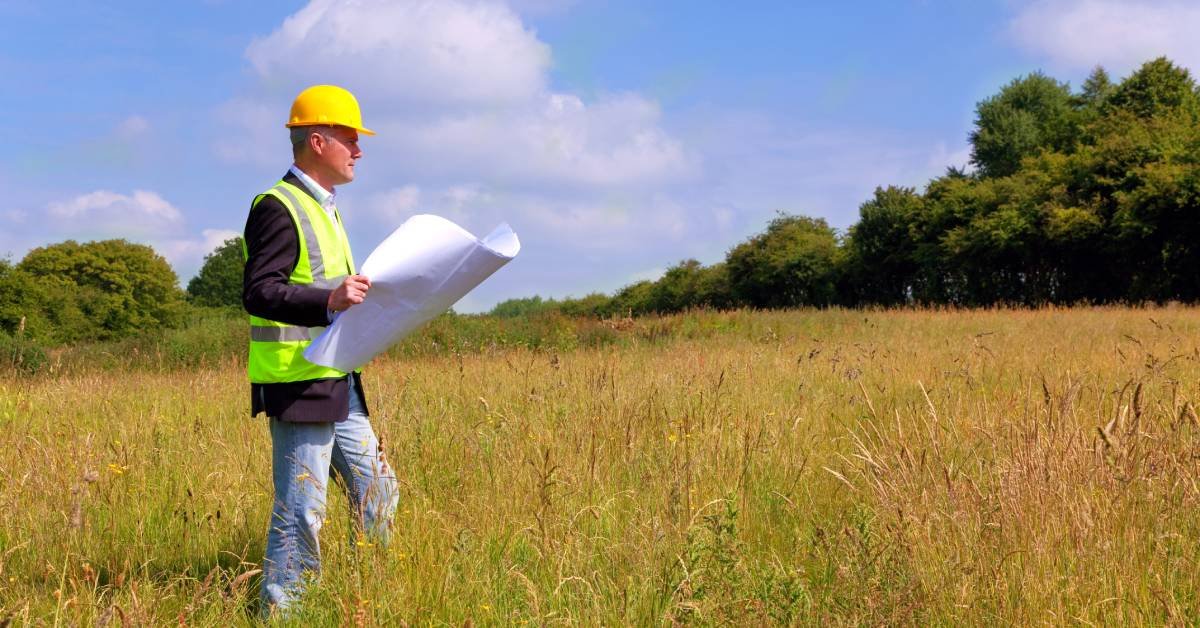
Designing land that fits your lifestyle requires thoughtful planning and clear priorities. Many property owners focus on aesthetics first, but functionality should guide every decision. Your land should support how you live, work, and relax on a daily basis. When you align design choices with real needs, you create a space that feels practical and enjoyable. Let’s explore how to design land that works for your lifestyle, regardless of your activity level.
Start With Your Daily Needs
You should begin by identifying how you plan to use your land each day. Think about activities like gardening, recreation, or raising animals, and map out where each function belongs. This approach helps you avoid wasted space and unnecessary redesigns later. A clear plan ensures your land supports your routine instead of complicating it.
Lifestyle-driven design also helps you prioritize features that matter most. For example, someone who works from home may need quiet outdoor areas for breaks. Families may want open spaces for gatherings and play. When you focus on real habits, your land becomes more efficient and enjoyable.
Plan Zones for Function and Flow
Dividing your land into zones creates structure and improves usability. You can separate workspaces and recreational zones to avoid overlap and confusion. Clear pathways between zones improve movement and make the property easier to navigate. This layout also reduces wear and tear on specific areas.
Moreover, good zoning also supports long-term maintenance. When you group similar uses together, you simplify upkeep and reduce costs. For example, keeping gardens near water sources saves time and effort. Strategic planning keeps your land organized and sustainable.
Consider Terrain and Natural Features
You should work with the natural landscape instead of trying to completely reshape it. Soil quality and drainage patterns all affect how your land performs. Ignoring these elements can lead to costly problems and inefficient layouts. Smart design uses natural features to enhance functionality.
Trees, sunlight, and wind direction also influence placement decisions. You can position structures to maximize shade or protect against strong winds. These choices improve comfort while reducing energy and maintenance demands. Nature can become an asset when you design with it in mind.
Avoid Common Design Pitfalls
Many landowners rush into projects without fully understanding long-term needs. This often leads to wasted space, poor layouts, and expensive corrections. For example, people often overlook mistakes when designing a horse barn, which can affect safety, accessibility, and daily operations. Careful planning prevents these issues and ensures better results.
You should also avoid overbuilding or adding unnecessary features. Too many elements can clutter your land and reduce usability. Focus on quality and purpose instead of quantity. A simple, well-planned design often works better than a complex one.
Key Elements To Include
You can improve your land design by focusing on essential features that support function and comfort. These elements create a balanced and practical environment. Try some of these elements:
- Clear pathways that connect all major areas.
- Proper drainage systems to prevent water issues.
- Flexible spaces that adapt to changing needs.
- Storage areas for tools and equipment.
- Access points for vehicles and deliveries.
You can design land that works for your lifestyle by focusing on function, organization, and long-term usability. Thoughtful zoning and careful planning all contribute to a more effective layout. A well-designed space supports your daily life while adapting to future changes.