Unified 911 expands with new regional command centers
The Philippines’ Unified 911 system is set to expand further as authorities prepare to launch four additional regional satellite command centers beginning this June. The move aims to strengthen emergency response coordination across the country and improve communication between responders and local communities.
The new facilities will complement the National Command Center in Manila and the existing regional center in Cebu. Officials said the expansion is expected to enhance coordination involving police, fire, medical, and disaster response operations nationwide.
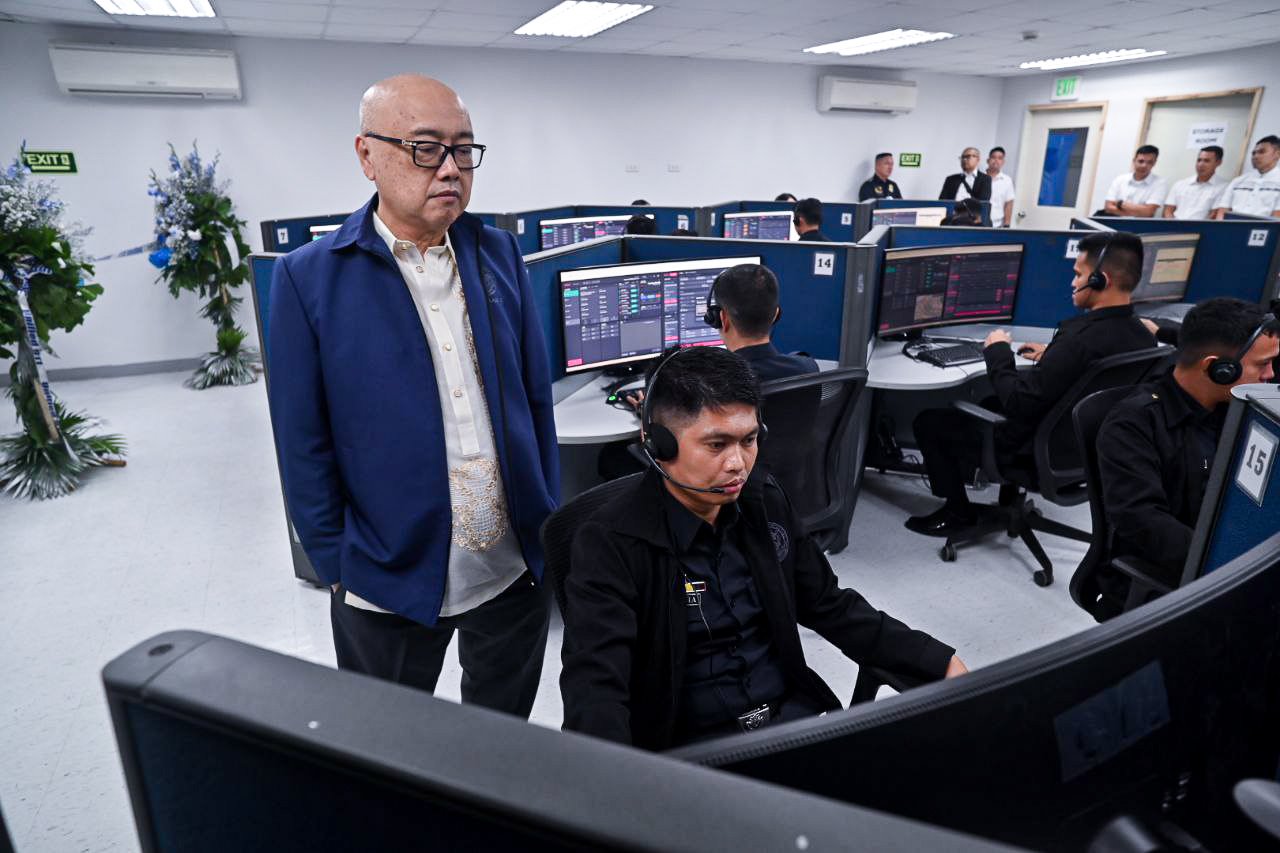
The first satellite command center is scheduled to open in Ilocos Norte under Region I. Authorities are expected to showcase the integrated capabilities of the Unified 911 system during the launch demonstration.
Additional command centers in Isabela under Region II and Iloilo under Region VI are expected to follow during the third quarter of the year. Another facility in Tacloban under Region VIII is targeted to begin operations in the fourth quarter.
Regional languages improve response
Officials said each command center is designed to improve emergency response times while also addressing language barriers in local communities. Emergency call takers assigned to the regional facilities will be capable of handling calls using local dialects and languages.
In Region I, operators will accommodate callers speaking Ilocano. Region II personnel will be trained to communicate using Ilocano, Ibanag, Yogad, and Gaddang, while operators in Region VI will support Hiligaynon and Kinaray-a speakers.
Meanwhile, the Tacloban-based facility in Region VIII will handle calls in both Waray and Cebuano. Authorities added that all call takers will also be fluent in both Tagalog and English to ensure wider accessibility.
The multilingual approach is expected to improve communication accuracy between callers and dispatchers during emergencies. Officials explained that this setup could significantly reduce delays caused by translation or misunderstandings.
For example, emergency operators in Isabela can immediately understand reports delivered in Ibanag and quickly dispatch responders from the Bureau of Fire Protection and the Philippine National Police. Field units can then be tracked in real time through a live national mapping system.
Nationwide coordination strengthened
Authorities said all command centers are interconnected through a unified digital platform that enables real-time coordination and national oversight. The system uses the Unified Platform for Communications & Dispatch, also known as UPCAD.
Through UPCAD, emergency responders are equipped with smart mobile devices capable of supporting live data sharing. These devices can transmit GPS locations, video feeds, and incident reports directly to command centers.
Officials also noted that the Ilocos Norte launch will feature demonstrations highlighting real-time field tracking and coordination between multiple command centers during simulated emergency scenarios.
Bureau of Fire Protection spokesperson Fire Superintendent Anthony Royo Arroyo said the regional satellite centers are expected to address issues involving “call filtering,” where emergency calls from areas outside Metro Manila are sometimes routed through the capital before reaching local dispatchers.
“This resolves delays by ensuring calls are handled locally by operators familiar with the language and area,” Arroyo explained.
The continued expansion of the Unified 911 system forms part of the government’s broader efforts to modernise emergency response operations across the Philippines. Authorities hope the additional regional centers will help improve response efficiency, reduce communication barriers, and strengthen disaster preparedness nationwide.