Africa economic growth forecast highlights $1.3 trillion financing gap challenge
Africa’s economy is expected to remain one of the fastest-growing regions in the world despite rising geopolitical tensions, supply chain disruptions, and tighter financial conditions globally.
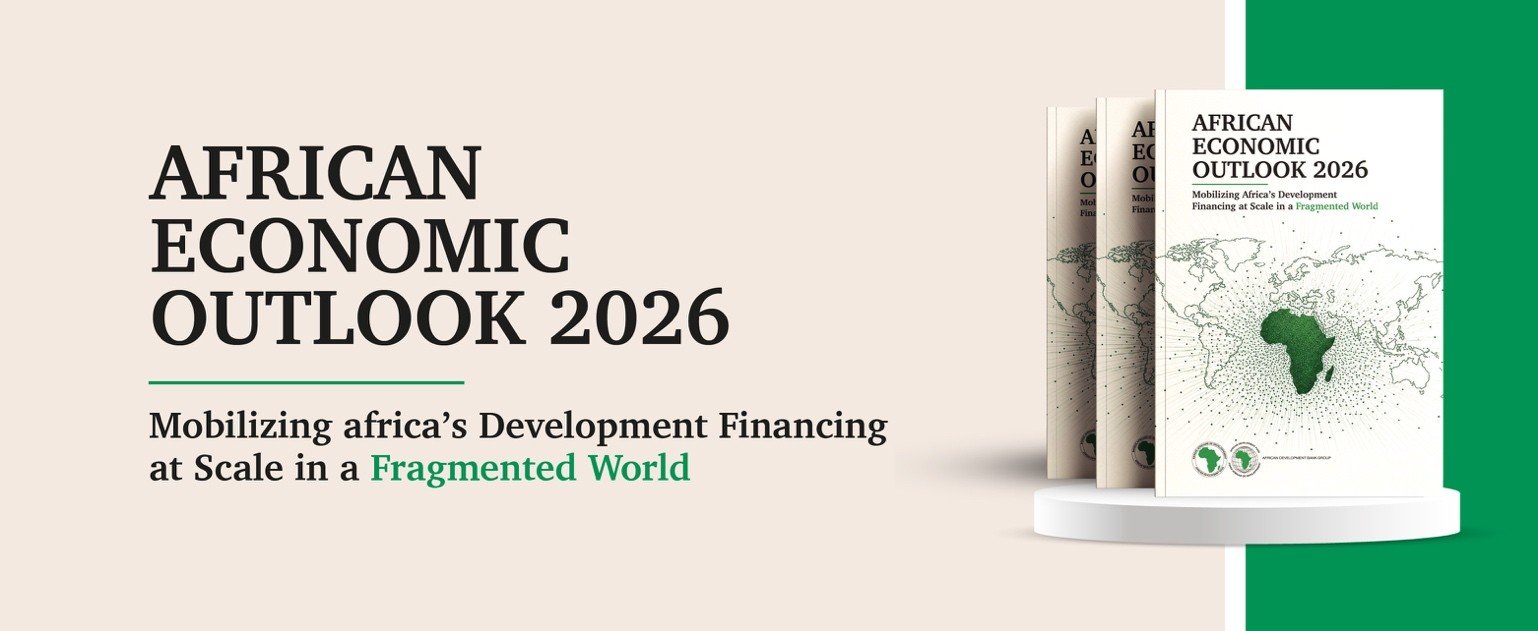
According to the 2026 African Economic Outlook released during the African Development Bank Group Annual Meetings in Brazzaville, the continent is projected to post 4.2 percent growth in 2026 after recording 4.4 percent in 2025. Growth is then expected to rebound to 4.4 percent in 2027 as reforms and investment initiatives continue to take shape.
The report highlighted how stronger agricultural output, improved macroeconomic management, elevated commodity prices, and ongoing reforms helped support economic expansion across the continent.
The African Development Bank also noted that 22 African countries are expected to grow above 5 percent in 2025, reinforcing Africa’s position as a major emerging growth region despite global economic uncertainty.
Regional growth outlook
East Africa is projected to remain the fastest-growing region on the continent even though growth is expected to slow from 6.6 percent in 2025 to 5.9 percent in 2026.
The slowdown is linked to higher import and energy costs caused by continued instability in the Middle East. However, the region is still forecast to recover to 6.4 percent growth by 2027.
West Africa is expected to remain relatively stable, posting 4.7 percent growth in 2026 compared to 4.8 percent in 2025. The region’s outlook continues to be supported by strong agricultural production and infrastructure investments.
North Africa is projected to slow to 4.0 percent growth in 2026 from 4.4 percent in 2025 due to weaker tourism demand and ongoing supply chain disruptions.
Meanwhile, Central Africa is expected to post slight improvement, with growth forecast at 3.8 percent in 2026 compared to 3.6 percent in 2025, helped by elevated oil prices.
Southern Africa remains the weakest-performing region, with growth projected at only 2.1 percent in 2026 due to weaker mining output, agricultural challenges, and rising energy costs.
Despite the relatively positive outlook, the report warned that inflation is expected to remain elevated at 10.4 percent in 2026, continuing to pressure economic stability across several countries.
Financing gap concerns
While Africa’s growth outlook remains encouraging, the African Development Bank stressed that the continent still faces a development financing gap exceeding $1.3 trillion annually.
The report explained that the challenge is not only about the lack of available funds but also about effectively mobilizing and deploying capital at scale.
According to the Bank, Africa could unlock as much as $1.43 trillion annually through stronger tax collection systems, improved public investment efficiency, expanded capital markets, reduced corruption, and better management of natural resources.
The report estimated that stronger tax and non-tax collection alone could generate an additional $469 billion annually, while improved public investment efficiency could save roughly $299 billion each year.
Public-private partnerships were also identified as a major opportunity for growth financing. The Bank noted that every additional dollar of public investment could attract approximately $1.40 in private investment.
Institutional investors across Africa currently manage around $4 trillion in assets, but less than 2.7 percent is invested in infrastructure and productive sectors, highlighting what the report described as a major untapped opportunity.
The African Development Bank also pointed to the importance of strengthening African financial systems through integrated capital markets, pan-African banking systems, climate financing, and Islamic finance initiatives.
Among the key initiatives mentioned was the New African Financial Architecture for Development, which aims to leverage more than $4 trillion in assets within Africa’s financial ecosystem.
The report also highlighted the launch of the African Credit Rating Agency earlier this year, which seeks to address concerns surrounding sovereign risk assessments and financing costs faced by African countries.
Although Africa’s stock market capitalization reached $1.2 trillion in 2024, the report noted that most market activity remains concentrated in South Africa, Egypt, Nigeria, and Morocco, underlining the need for broader market integration across the continent.
The Bank emphasized that maintaining long-term economic resilience will depend on Africa’s ability to strengthen financial systems, improve resource mobilization, and reduce dependence on external financing amid increasing global economic fragmentation.