Toyota’s Wild Biofuel Experiment Puts PH Farmers in the Fast Lane
Toyota just turned a racetrack into a laboratory — and Filipino coconut and sugarcane farmers stand to be the biggest winners.
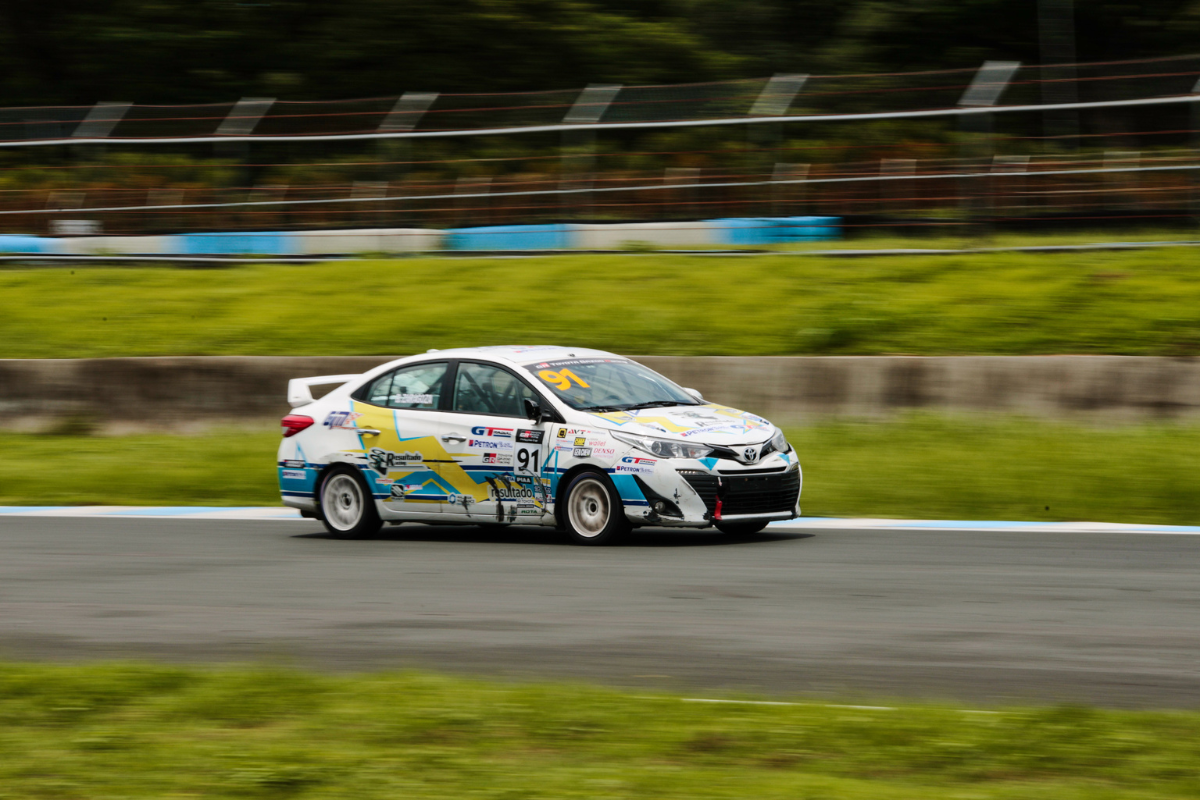
At Race Weekend 2 of the TOYOTA GAZOO Racing Philippine Cup, held at the Clark International Speedway in Pampanga, Toyota Motor Philippines (TMP) became the first car manufacturer in the country to test biofuels under real racing conditions.
The result: a high-speed experiment that could reshape the Philippines’ fuel future.
Coconuts and Sugarcane Fuel a Motorsports First
The competing racecars weren’t running on ordinary gas.
Vios One-Make Race entries used an E20 bio-ethanol blend, while Tamaraw One-Make Race cars ran on B5 coco-biodiesel. Both fuels are sourced from feedstock grown by local coconut and sugarcane farmers.
Beyond being low-carbon alternatives, the biofuels serve a bigger purpose. They support Philippine energy security by reducing the country’s dependence on imported petroleum, while boosting demand for locally grown crops.
Toyota is using the extreme conditions of competitive racing to stress-test the fuels’ performance, efficiency, and reliability. The automaker plans to share its findings with government agencies and biofuel stakeholders pushing for wider public adoption.
Roughly three-quarters of current Toyota and Lexus gasoline models are already E20-compatible, and every Toyota diesel model can run on B5.
“Using biofuels matters because first, it helps make our fuel supply more stable. If we can produce more of what we need locally, we are less affected by problems happening far away,” said TMP President Masando Hashimoto. “Second, it supports our farmers. By using more coconut-based fuel, we create more demand for what they produce.”
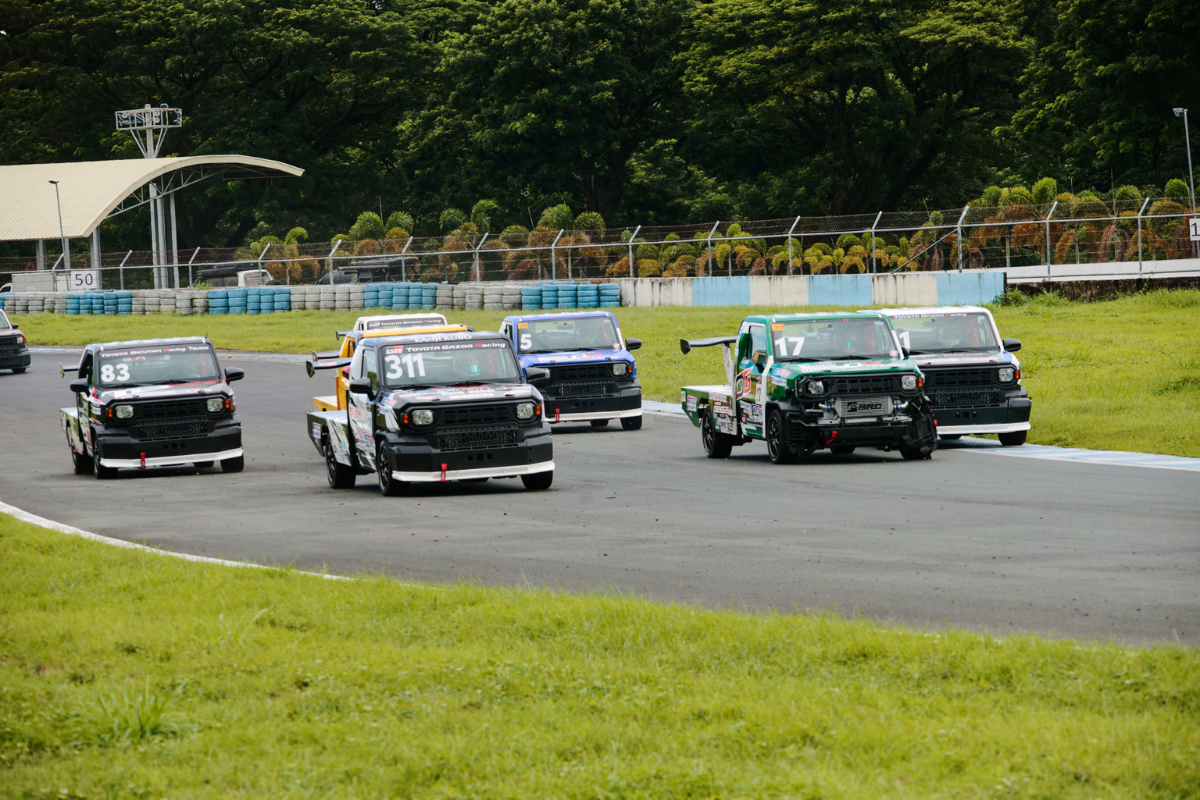
A Bigger Push Toward Sustainable Motorsports
The biofuel trial is part of Toyota’s broader multi-pathway strategy. The approach diversifies both powertrain technologies and energy sources in pursuit of long-term carbon neutrality.
Hashimoto didn’t just lead the initiative — he raced in it, competing in the Tamaraw Class.
He was joined by fellow Team TOYOTA GAZOO Racing Philippines drivers Justin “Buzzhype” Santos, Chenee Jimenez, Alex Lim (“BanaweBoy”), Enzo Ison, and Will Lucas.
The weekend also featured the GR50 challenge and car club fun runs alongside the main competition.
Race Weekend 2 class winners included:
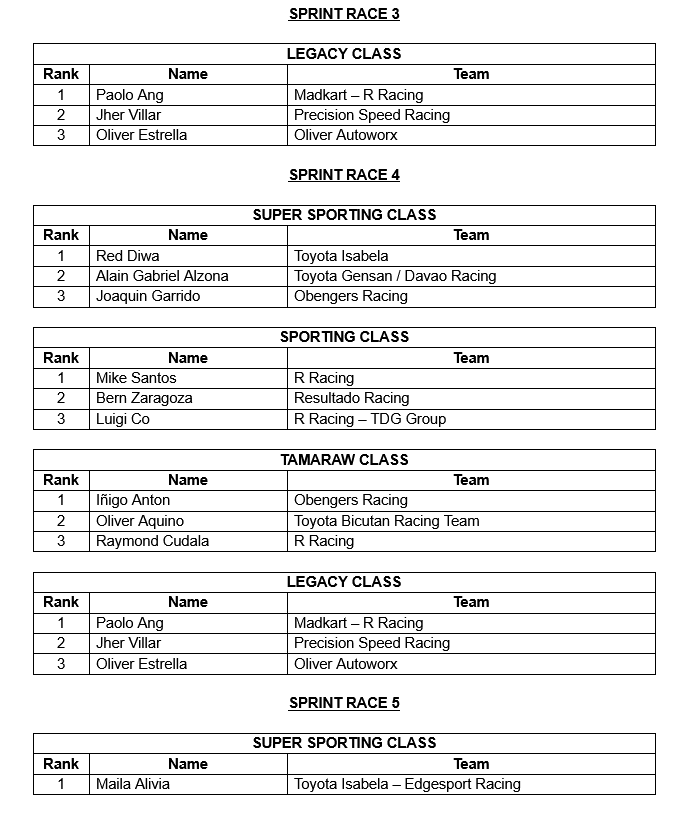
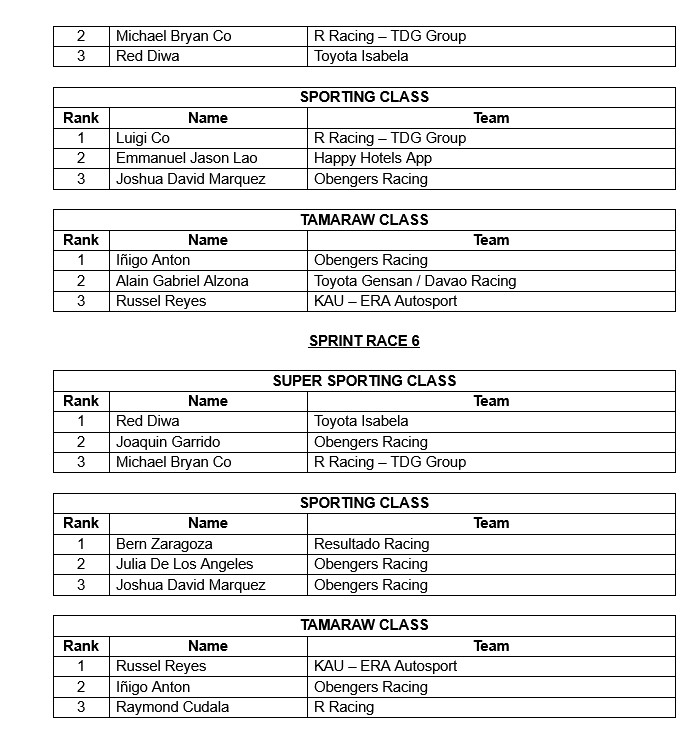
Fans can catch the next legs of the TGR Philippine Cup at the Batangas Racing Circuit on August 13-15.
The series then returns to Clark International Speedway on September 10-12.
With its biofuel breakthrough, Race Weekend 2 signals Toyota’s commitment to pushing sustainability further. It’s proof that the road to a greener future can run straight through the racetrack.