A House with a Septic Tank: What You Need to Know
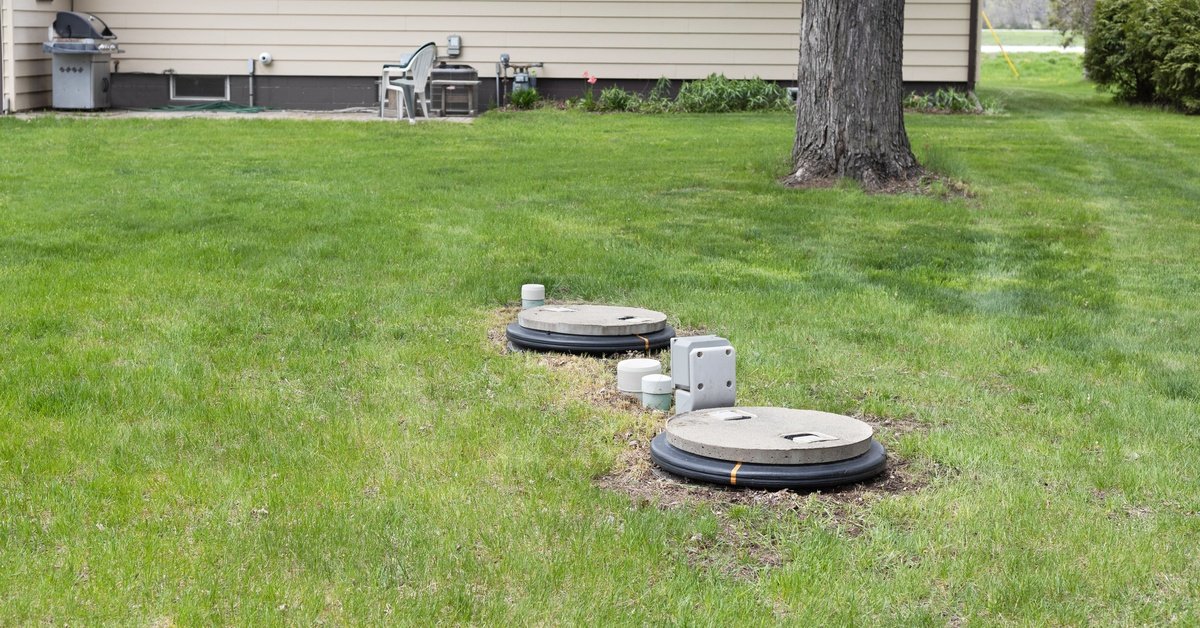
If you just bought a home with a septic tank, you might feel unsure about how it works and what it needs. Unlike city sewer systems, a septic system handles waste right on your property, so you must understand the basics early. With the right knowledge, you can avoid expensive repairs and keep everything running smoothly.
How a Septic System Works
A septic system moves wastewater from your home into an underground tank. Solids sink to the bottom, while oils float to the top. Bacteria break down some waste, and the remaining liquid flows into a drain field. The soil filters that water before it returns to the ground.
Daily Habits That Protect Your System
Your everyday choices directly affect how well your septic system performs. Small changes can extend its life and prevent clogs. Pay attention to what goes down your drains.
- Avoid flushing wipes, paper towels, or hygiene products.
- Limit grease and food scraps in your kitchen sink.
- Spread out laundry loads to reduce water stress.
- Fix leaks quickly to prevent overload.
Signs Your Septic Tank Needs Attention
You should watch for warning signs before major problems develop. Slow drains often signal buildup in the tank. Foul odors near your yard or plumbing also point to trouble. Wet spots above the drain field can indicate overflow.
Pumping and Septic Tank Maintenance Basics
You need a regular pumping schedule to keep your system healthy. Most households pump the tank every three to five years, but usage and size can change that timeline. Professionals remove sludge and inspect key components during each visit. Consistent septic tank maintenance helps you avoid backups and costly damage.
What You Should Never Put in Your System
Certain items can harm your septic system quickly. Harsh chemicals kill helpful bacteria and disrupt the balance. Non-biodegradable materials create blockages that restrict flow. Even small habits can add up over time.
- Paint, solvents, or strong cleaners.
- Medications or antibiotics.
- Coffee grounds and eggshells.
- Large amounts of bleach or disinfectants.
Final Tips for New Homeowners
Owning a home with a septic tank does not need to feel complicated. Learn your system’s layout, keep records of service, and build a relationship with a trusted professional. When you stay proactive, you protect your investment and enjoy peace of mind.
Costs and Long-Term Planning
Budget for routine care and occasional repairs so you avoid surprises. Pumping costs vary by location and tank size, but regular service costs far less than replacing a failed system. You should also plan for inspections when you buy or sell a home.
When to Call a Professional
Do not wait for a full backup before you call for help. A licensed technician can diagnose issues early and recommend practical fixes. They can check baffles, measure sludge levels, and confirm that your drain field drains properly. Quick action reduces risk and protects your home.
Stay informed and keep learning as you settle into your new home. Ask questions during service visits, and follow expert advice closely. With consistent effort, you will keep your septic system reliable for years to come. Simple habits today prevent major headaches tomorrow for your household overall.