Global Game Jam launches paid indie game micro-project initiative
Global Game Jam has launched a new initiative aimed at strengthening connections between indie game studios and emerging talent worldwide. The program introduces structured, paid micro-projects designed to support real development needs across the industry.
The initiative, supported by the Endless Foundation, focuses on short-term tasks in areas such as game art, audio production, and quality assurance testing. It is positioned as a practical bridge between learning and professional game development experience.
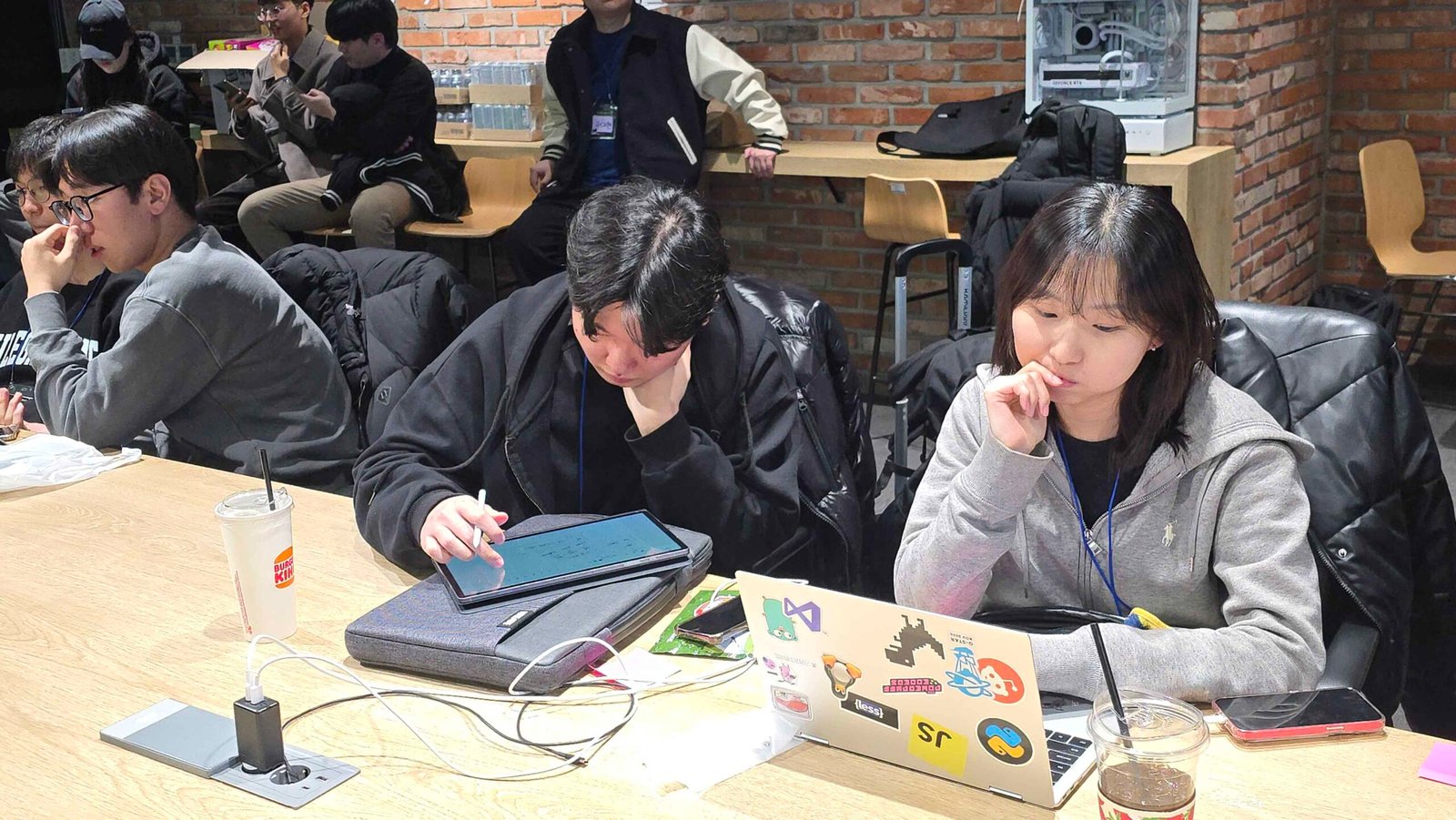
GGJ Micro-Missions is intended to address two long-standing challenges in the games sector, including limited production capacity for indie studios and the difficulty early-career developers face in securing paid experience.
GGJ Micro-Missions expands access
The GGJ Micro-Missions program creates a structured system where indie studios can post clearly defined short tasks that typically take less than 48 hours to complete. Selected participants receive payment, credit, and portfolio-ready work from real game projects.
Over the next year, Global Game Jam plans to support at least 25 indie studios through microgrants of up to $2,500 each. These studios will collaborate directly with GGJ to define production needs that can be broken into small, manageable assignments.
Participants will be able to browse opportunities, apply for tasks, and contribute to active development pipelines while receiving onboarding support and payment processing through GGJ systems.
Creative and QA focus
The program is divided into three core categories covering artwork, audio production, and quality assurance testing. Each category is designed to reflect common needs in indie game development pipelines.
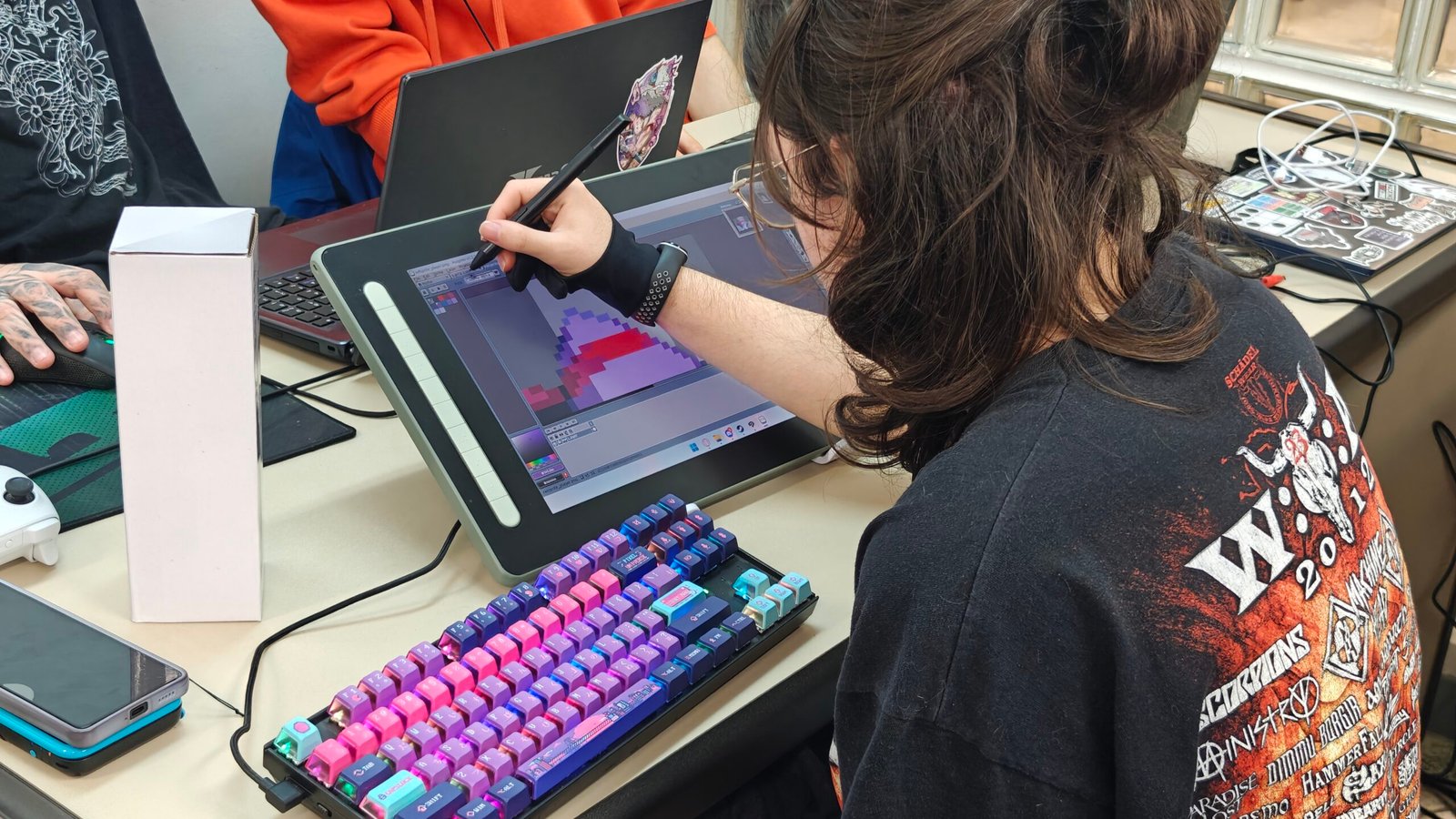
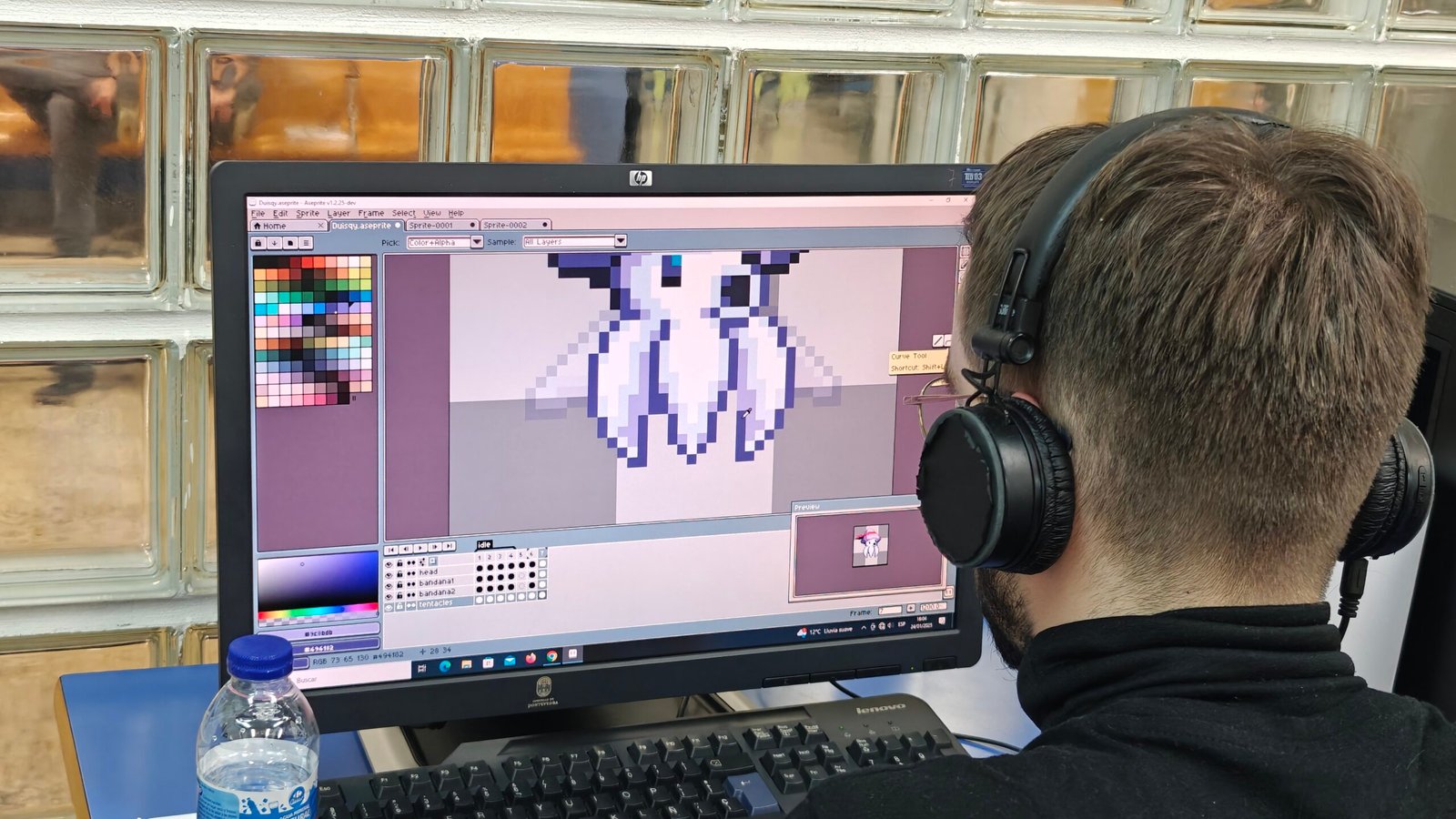
In the art track, participants may be assigned tasks such as creating props, character elements, or environmental assets. In audio, contributors may develop sound effects, UI sounds, or short musical pieces tailored to in-game use.
QA testing assignments will involve structured bug reporting and gameplay evaluation, with selected participants trained in testing workflows before joining active projects.
Building future game talent pipelines
GGJ Micro-Missions is expected to engage more than 500 participants globally and generate up to 2,000 paid micro-project opportunities in its first year. The initiative builds on Global Game Jam’s broader ecosystem, including its indie studio support programs and volunteer development network.
The program is currently in its pre-launch phase, with studios and developers invited to register for upcoming opportunities through official GGJ channels.