Asian Productivity Organization holds 68th governing body meeting in New Delhi
The Asian Productivity Organization convened its 68th Session of the Governing Body Meeting from May 20 to 22, 2026, in New Delhi, hosted by the Government of India. The session marked a major milestone during the organization’s 65th anniversary year as it advanced the APO Vision 2030 agenda and formally pushed forward the Strategic Partnership Program (SPP) as its new member-driven, results-oriented implementation framework.
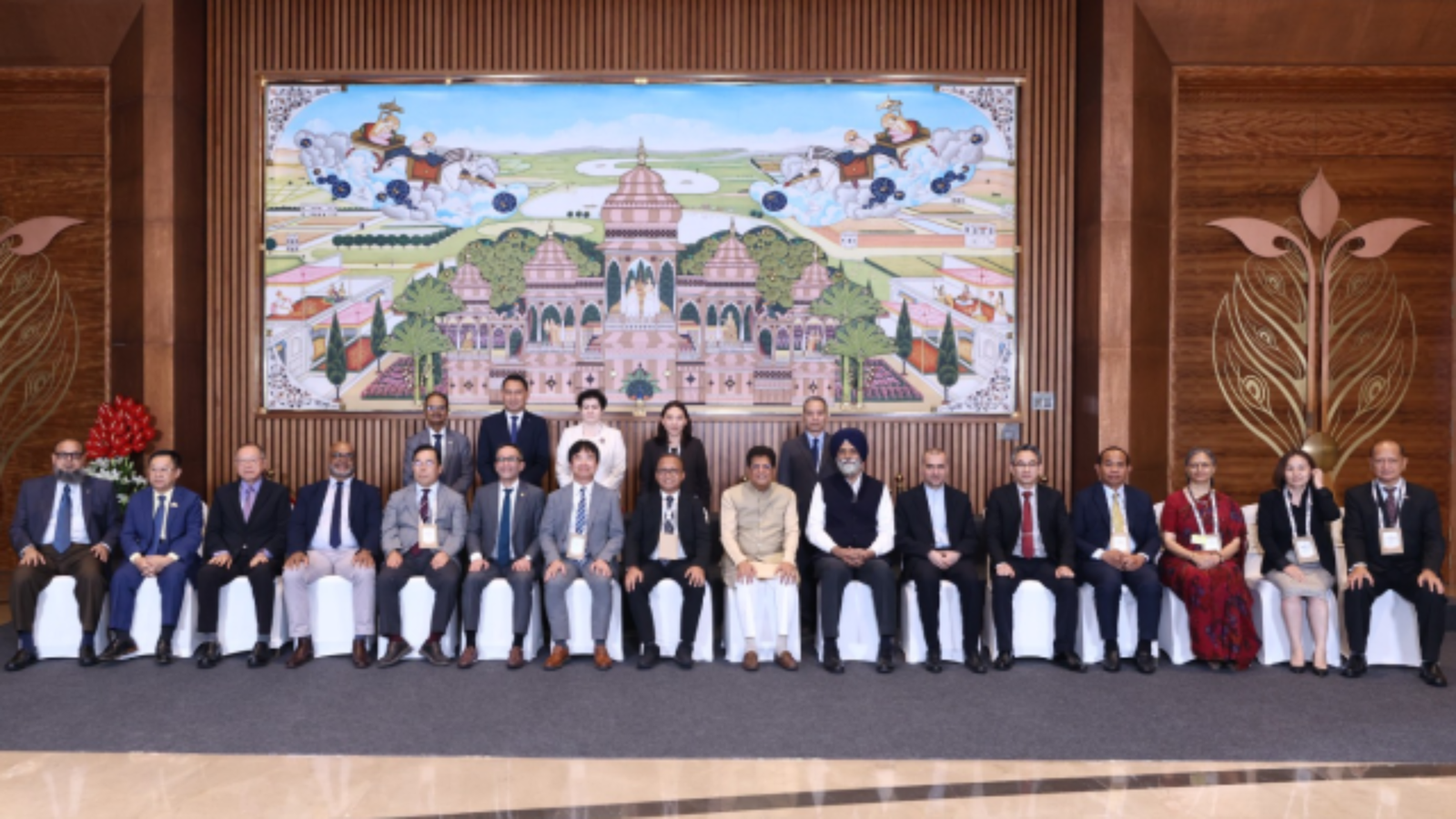
The meeting brought together 63 delegates from 19 APO member economies, reflecting sustained regional engagement across Asia and the Pacific despite shifting global economic conditions. Eight observers also participated, including representatives from Bhutan, Kazakhstan, and Uzbekistan, as well as international organizations such as the Global Green Growth Institute, the International Labour Organization, and the United Nations Industrial Development Organization.
Leadership transition and participation
A key outcome of the 68th GBM was the formal transition of the APO Chairmanship from India to Indonesia. Acting APO Director for Indonesia Anwar Sanusi assumed the role of APO Chair for the 2026–27 term, marking a structured leadership rotation within the organization.
The First Vice Chair position was assumed by the Islamic Republic of Iran, represented by Acting APO Director Mostafa Goharifar, while Japan took the Second Vice Chair role through Acting APO Director Fumio Yamazaki.
The inaugural session featured remarks from Guest of Honor Piyush Goyal, India’s Minister of Commerce and Industry, who emphasized productivity as a strategic driver of resilience, innovation, sustainability, and inclusive growth amid rapid global economic transformation. He highlighted India’s productivity-led initiatives across manufacturing, logistics, digital public infrastructure, MSME support, and green productivity reforms.
Outgoing APO Chair and APO Director for India Amardeep Singh Bhatia underscored the organization’s shift from long-term vision-setting toward implementation through the Strategic Partnership Program. He emphasized institutional modernization, governance reform, and outcome-based regional cooperation.
Director General of India’s National Productivity Council Neerja Sekhar highlighted the role of productivity institutions in enabling digital adoption, resilience, green productivity, and measurable economic transformation across sectors.
Incoming Chair Anwar Sanusi reaffirmed the APO’s collective commitment to strengthening productivity, innovation, sustainability, and regional cooperation across member economies, positioning the organization as a key platform for shared development goals.
Governance agenda and future priorities
The 68th GBM included extensive deliberations on governance and operational matters, including annual reports, financial statements, auditor appointments, and recommendations from the APO Vision 2030 Steering Committee.
Delegates reviewed the preliminary APO budget for the 2027–28 biennium, Secretariat performance reports, compliance updates, and discussions on a potential transition from International Financial Reporting Standards to International Public Sector Accounting Standards.
Additional agenda items covered APO Secretary-General election procedures, nonmember country participation frameworks, and updates to the APO Awards Program. The meeting also featured a presentation on the APO’s new initiative, Genuine AI Action (GAIA), aimed at promoting artificial intelligence adoption to enhance productivity across member economies.
The session concluded with a renewed commitment to implementing Vision 2030 and strengthening the APO’s role as a trusted regional platform for productivity-led, inclusive, sustainable, and resilient development. Lao PDR was announced as host of the 69th APO Governing Body Meeting in 2027.