AfDB governors back Ould Tah’s vision at annual meetings
The African Development Bank Group concluded its 2026 Annual Meetings in Brazzaville with a strong endorsement of President Dr. Sidi Ould Tah’s strategic agenda as African leaders, policymakers and development partners gathered to discuss the continent’s economic future.
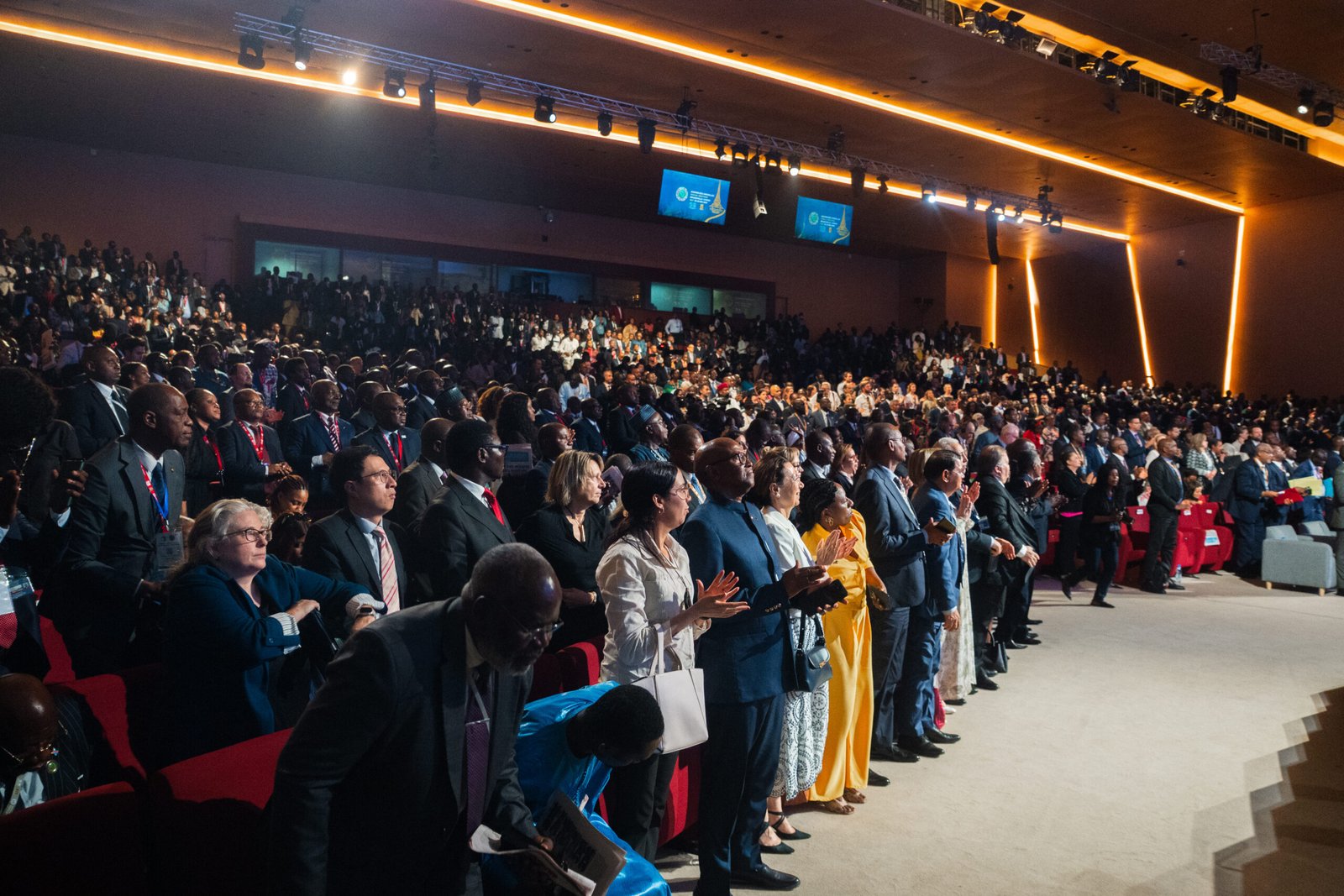
The five-day event brought together more than 4,000 participants from over 81 countries under the theme of mobilizing large-scale resources for Africa’s development in an increasingly fragmented global environment. The gathering served as the first Annual Meetings under Ould Tah’s leadership since he assumed office in September 2025.
Governors used the platform to express support for the Bank president’s Four Cardinal Points vision, a framework designed to strengthen Africa’s economic resilience, financial independence and influence in global affairs.
Support grows for reforms
The Board of Governors encouraged Ould Tah to accelerate reforms aimed at reshaping Africa’s financial architecture and increasing the continent’s ability to mobilize development financing from both domestic and international sources.
Officials also backed ongoing institutional reforms intended to make the African Development Bank more responsive, flexible and accessible to member countries and beneficiaries.
Speaking during the closing ceremony, Republic of the Congo Minister of Economy, Planning, Statistics and Forecasting Ludovic Ngatsé highlighted the governors’ confidence in the Bank’s direction and leadership.
For his part, Ould Tah described the meetings as an important step toward advancing a new era of action and continental integration. He emphasized that meaningful transformation would require decisive political leadership and stronger cooperation among African nations.
The Annual Meetings also featured a high-level presidential panel that included Republic of the Congo President Denis Sassou-N’Guesso, Central African Republic President Faustin-Archange Touadéra and Gabon President Brice Clotaire Oligui Nguema.
Major commitments announced
Several significant financial commitments and development initiatives were unveiled during the week-long gathering.
Angola pledged €6.5 million to the 17th replenishment of the African Development Fund, increasing the number of African countries contributing to the initiative to 25. Total African commitments to the fund now exceed $190 million, reflecting growing regional participation in financing the continent’s development priorities.
The meetings also generated more than $3 billion in commitments for the Congo Basin Blue Fund, an initiative focused on environmental protection and sustainable development across 17 African countries.
Additional agreements were signed to support the implementation of the Bank’s Four Cardinal Points vision, while new partnerships were advanced through discussions involving the Integrated Aviation Transformation Programme in Africa and the African Facility for Medicines and Medical Equipment.
Japan further reinforced those efforts by announcing $10 million in support for the African Facility for Medicines and Medical Equipment.
Another notable development came during Africa Day celebrations when President Sassou-N’Guesso announced that citizens from all African countries would enjoy visa-free entry into the Republic of the Congo beginning January 1, 2027.
The decision was welcomed by Ould Tah, who described it as a significant step toward deeper regional integration and stronger continental cooperation.
As the meetings concluded, Ould Tah reaffirmed his commitment to transforming the African Development Bank into a solutions-focused institution that remains closely connected to communities and development needs across the continent.
He emphasized the importance of mobilizing domestic resources, expanding value-added industries, creating jobs for young people and women, and strengthening partnerships with civil society organizations, philanthropists and the African diaspora as Africa pursues long-term economic transformation.