Study finds at-home brain stimulation prevents depression relapse in 75% of patients
A major study published in the Journal of Affective Disorders found that at-home brain stimulation may help prevent depression relapse in 75 percent of patients. The PSYLECT study tracked 71 participants who had already completed initial depression treatment. They used at-home transcranial direct current stimulation twice weekly for six months along with online behavioral support.
Only six patients experienced relapse during follow-up, while 11 discontinued treatment. Most patients maintained recovery without additional medication or clinic visits. Researchers say the results show strong evidence for at-home non-drug therapy in long-term depression care.
Remote therapy matches clinical outcomes and improves access
Depression relapse affects up to 85 percent of patients, creating a major treatment gap. Study authors said at-home stimulation achieved results comparable to in-clinic therapy while improving access and lowering costs. Forty percent of participants reported no side effects, and those who did experienced only mild symptoms such as scalp tingling or headaches.
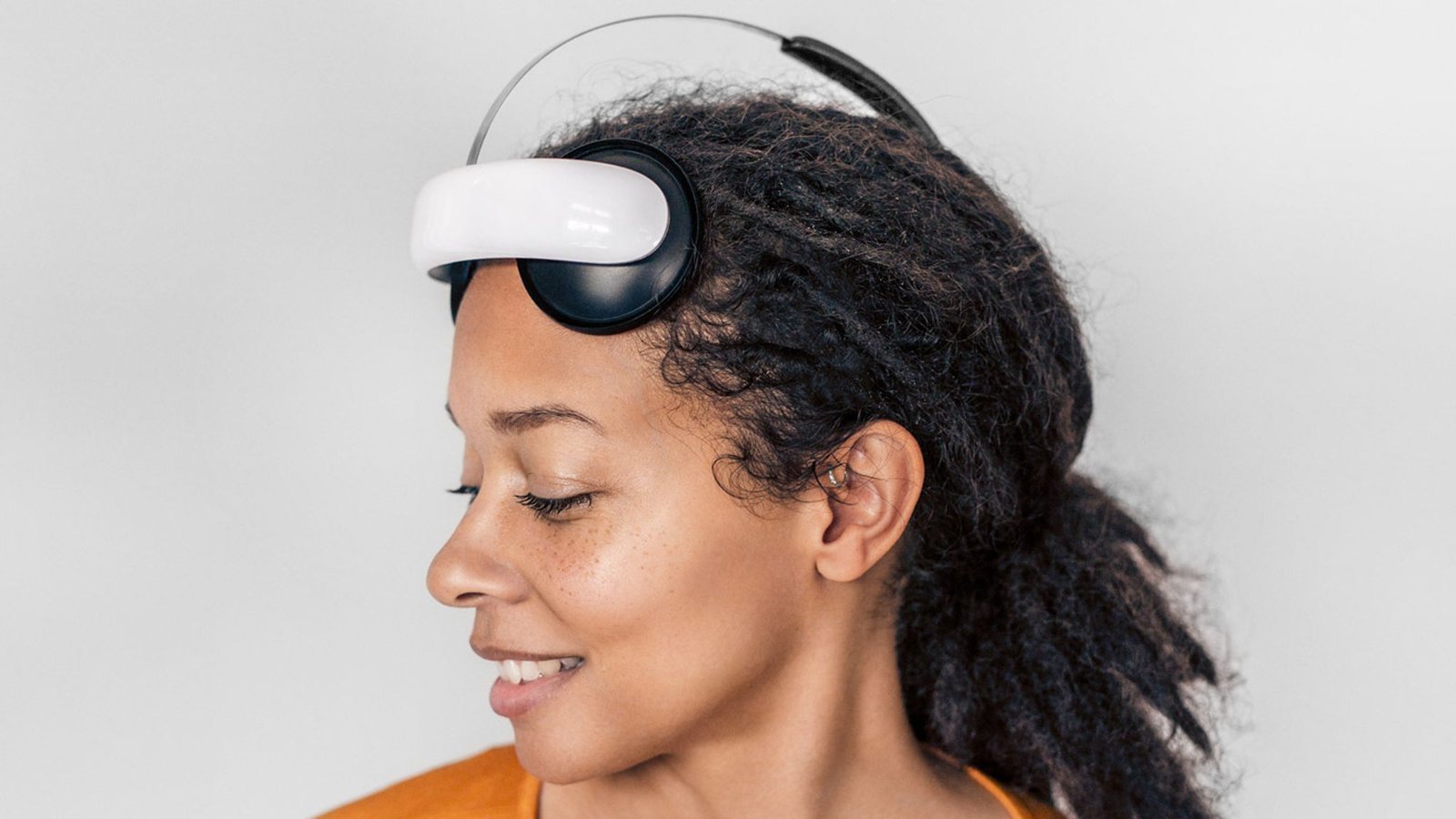
Flow Neuroscience CEO Erin Lee said at-home therapy can help patients who struggle to attend frequent clinic visits. She added that remote therapy can also benefit clinics by reducing waiting times and freeing up clinical resources. The device used in the study is CE-certified and approved for use in multiple regions including the UK, EU, and Australia.
High adherence and global clinical support
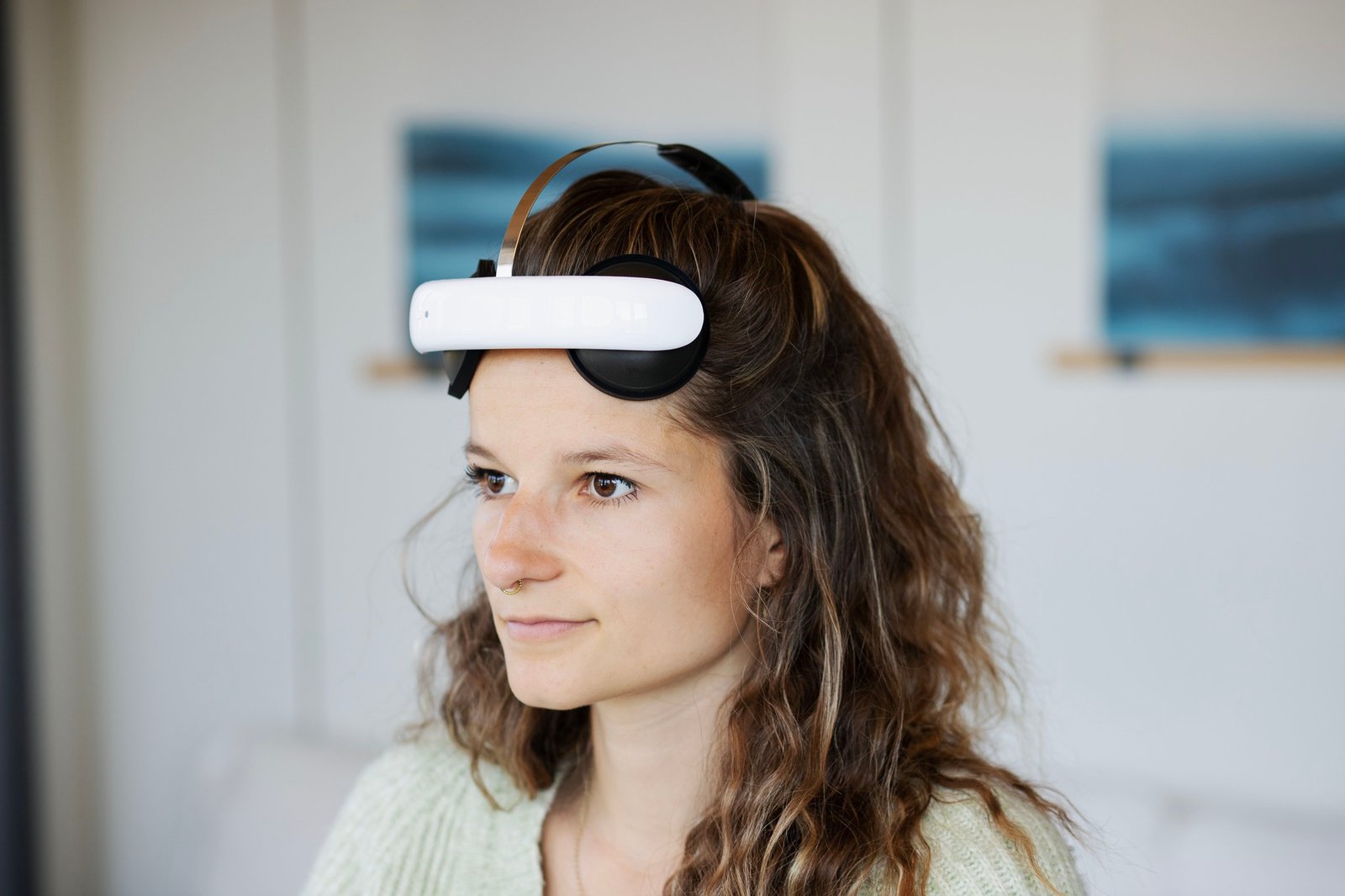
Medical Director Dr. Kultar Singh Garcha noted that patients may find it easier to stick to home-based therapy because it requires less effort than regular clinic visits. The headset stimulates the prefrontal cortex, which regulates mood and is often underactive in depression. Researchers found the treatment to be safe, well-tolerated, and effective over long-term use.
The trial was led by the University of São Paulo Medical School with support from institutions including Ludwig-Maximilians University Munich, the University of Ghent, Spaulding Rehabilitation Hospital, and Massachusetts General Hospital. Flow Neuroscience reports more than 50,000 users for its brain-stimulation device worldwide. The company says home-based therapy could soon become a standard option for relapse prevention.