How To Choose the Ideal Brake Fluid for Your Vehicle
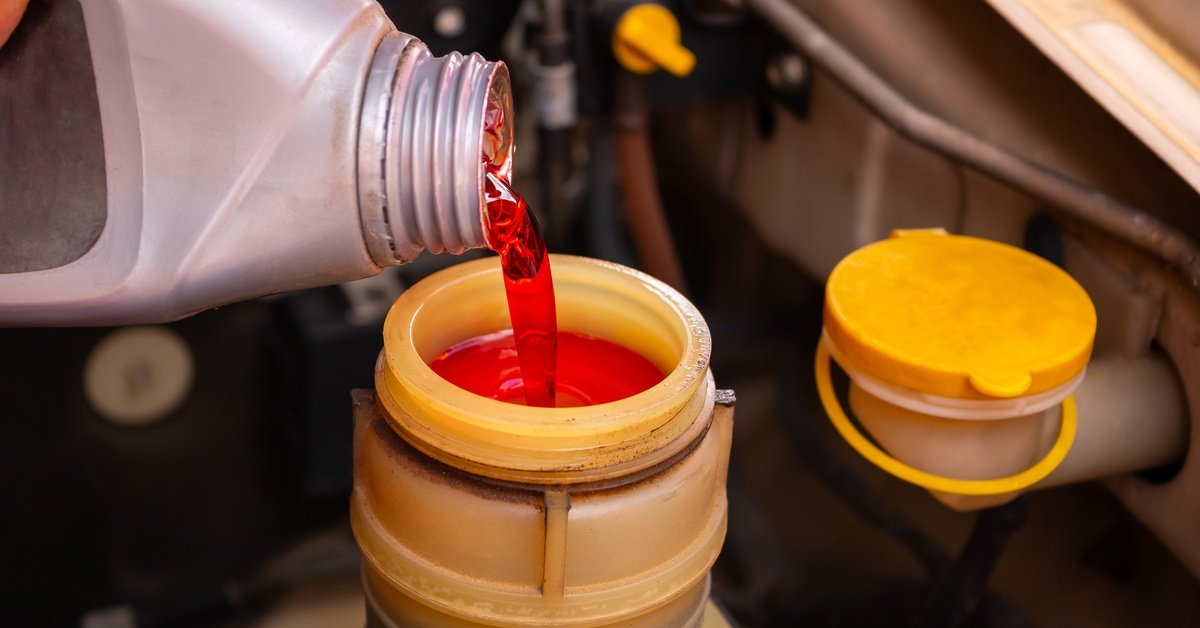
Brake fluid plays a direct role in how safely and consistently a vehicle stops. It transfers pressure from the brake pedal to the braking components, which allows the system to slow or stop the wheels. Because brakes generate heat and operate under pressure, drivers should treat fluid choice as a safety decision, not just a maintenance detail.
Choosing the ideal brake fluid starts with understanding your vehicle’s requirements, how you drive, and the conditions your brakes face. The best option is not the most expensive, it’s the one that best fits your car’s requirements.
Start With the Owner’s Manual
The owner’s manual gives the most reliable answer for brake fluid. Automakers design braking systems around specific fluid standards, usually marked as DOT 3, DOT 4, DOT 5, or DOT 5.1. These ratings reflect performance characteristics such as boiling point, chemical base, and compatibility.
Drivers should also check the brake fluid reservoir cap, since many vehicles list the required DOT rating there. Using the wrong fluid can affect braking performance, damage seals, or create compatibility problems inside the system.
Understand the Main DOT Ratings
DOT 3 brake fluid suits many older and standard passenger vehicles. It provides dependable performance for typical daily driving, but it has a lower boiling point than DOT 4 or DOT 5.1.
DOT 4 fluid handles higher temperatures, which makes it common in many modern vehicles, especially those with anti-lock braking systems, heavier loads, or more demanding driving conditions. DOT 5.1 also uses a glycol-based formula and offers higher heat resistance, making it useful for vehicles that need strong performance under repeated braking.
DOT 5 is different because it uses a silicone base. It does not mix with DOT 3, DOT 4, or DOT 5.1, and drivers should only use it when the vehicle specifically calls for it.
Match Fluid to Driving Conditions
A vehicle you use mostly for short city trips may not place the same heat demands on brake fluid as one used for mountain roads, towing, or spirited driving. Heat matters because brake fluid can lose effectiveness when it reaches its boiling point. When fluid boils, vapor can form in the system, and the brake pedal may feel soft or less responsive.
Drivers who tow trailers, carry heavy loads, or drive in steep terrain may benefit from a higher-rated fluid if the vehicle manufacturer allows it. For manual transmission drivers, brake fluid type also impacts clutch consistency, so it adds another layer of consideration.
Pay Attention to Moisture and Maintenance
Most common brake fluids absorb moisture over time. This moisture lowers the fluid’s boiling point and can contribute to corrosion inside brake components. Even the correct fluid can perform poorly with age or contamination.
Drivers should follow the service interval that the vehicle manufacturer lists in the manual. A technician can test the fluid, inspect its condition, and flush the system when necessary.
Choose Safety Over Guesswork
Choosing the ideal brake fluid for your vehicle requires more than picking a familiar brand. Drivers should confirm the required DOT rating, consider how they use the vehicle, and keep up with replacement intervals. The right fluid supports steady braking, protects system components, and gives drivers greater confidence every time they press the pedal.