DOST-Backed Startups Are Changing How Teachers Work
Grading papers until midnight. Chasing attendance records. Building lesson plans from scratch for classrooms full of students who all learn differently.
For Filipino teachers, that’s not the exception. It’s the daily grind. Now, a new wave of homegrown technology is stepping in to lighten the load, and it’s earning attention well beyond Philippine shores.
Three Filipino education technology startups, all backed by the Department of Science and Technology – Technology Application and Promotion Institute (DOST TAPI), are building tools designed to give teachers back their time, streamline classroom management, and personalize learning for students at scale. Cerebro, GradeChum, and PathBuilder have each tackled a different pain point in the classroom, and together, they’re reshaping what a teacher’s workday can look like.
Three Startups, Three Solutions to the Teacher Time Crunch
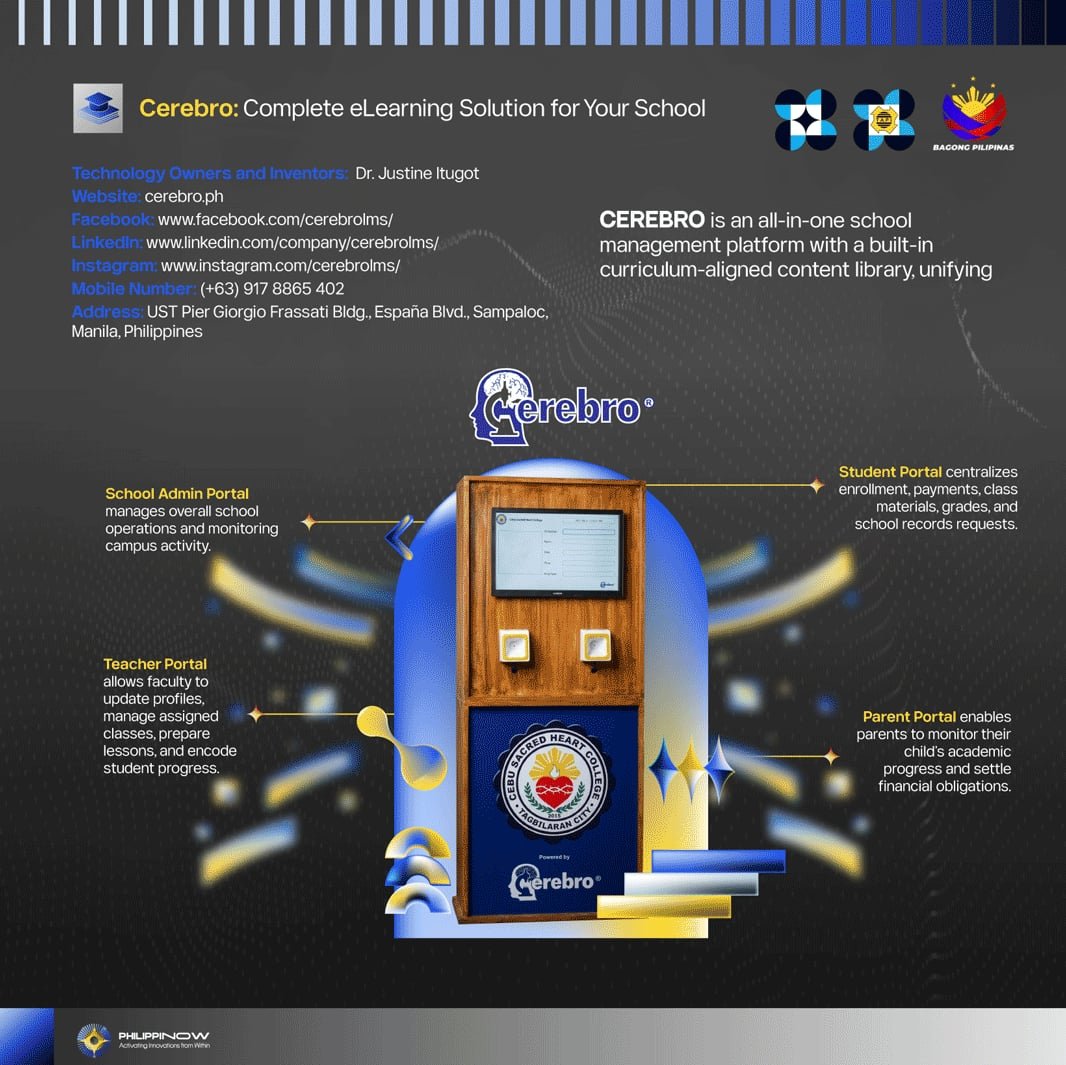
Cerebro is tackling the administrative side of teaching head-on.
The platform functions as a centralized school management and e-learning hub, complete with a curriculum-aligned content library and a dedicated Teacher Portal. Instead of juggling multiple learning management systems for lesson prep, attendance, and class records, teachers can manage it all from one place, cutting down on the hours lost to admin work every week.
GradeChum is going after one of the most time-consuming parts of the job: grading.
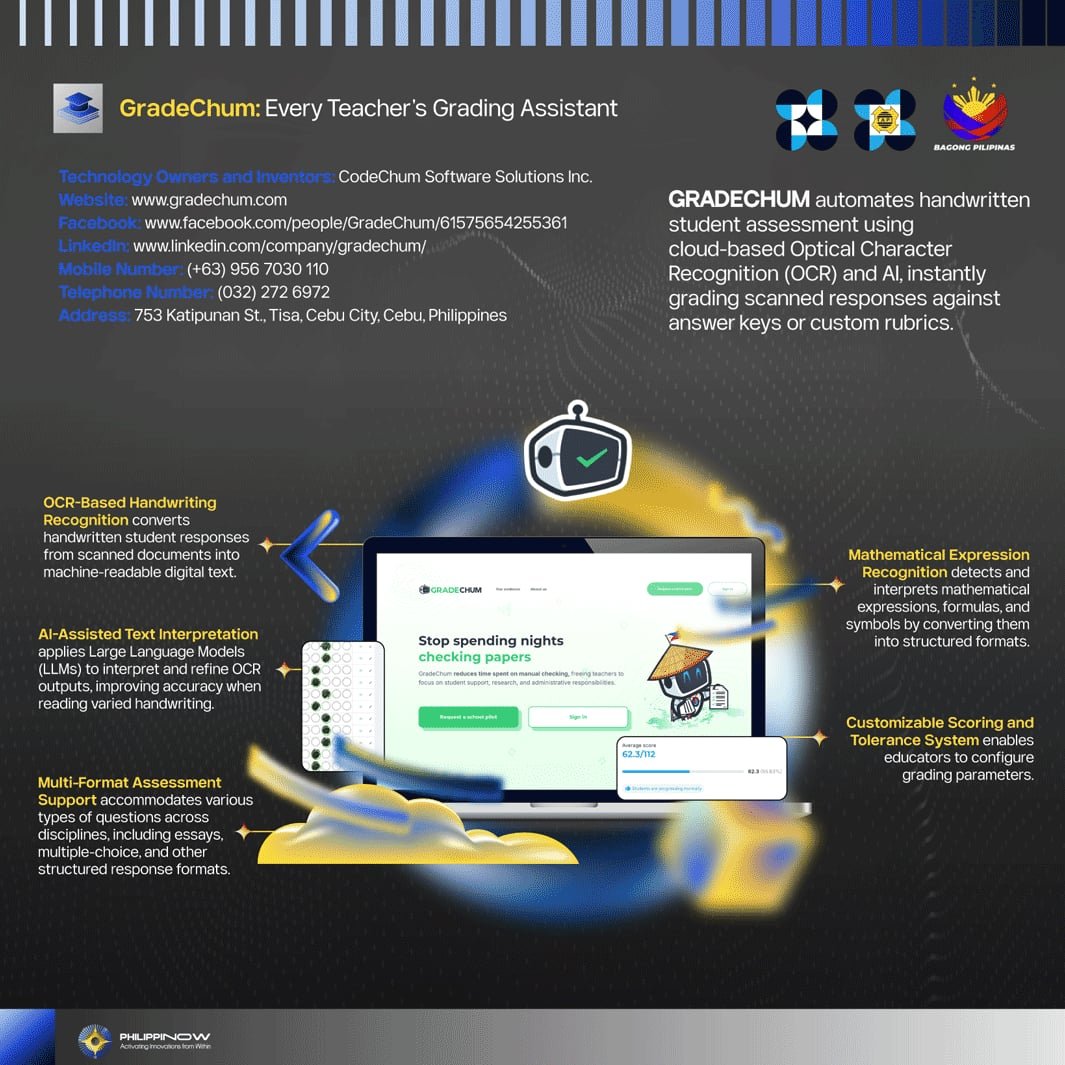
Using optical character recognition and AI, the platform converts handwritten student responses into digital text and checks them against teacher-customized answer keys. It’s built to handle a range of test types, including essays, multiple choice, structured responses, and even mathematical expressions, meaning teachers juggling multiple classes a day can check outputs far faster than doing it by hand.
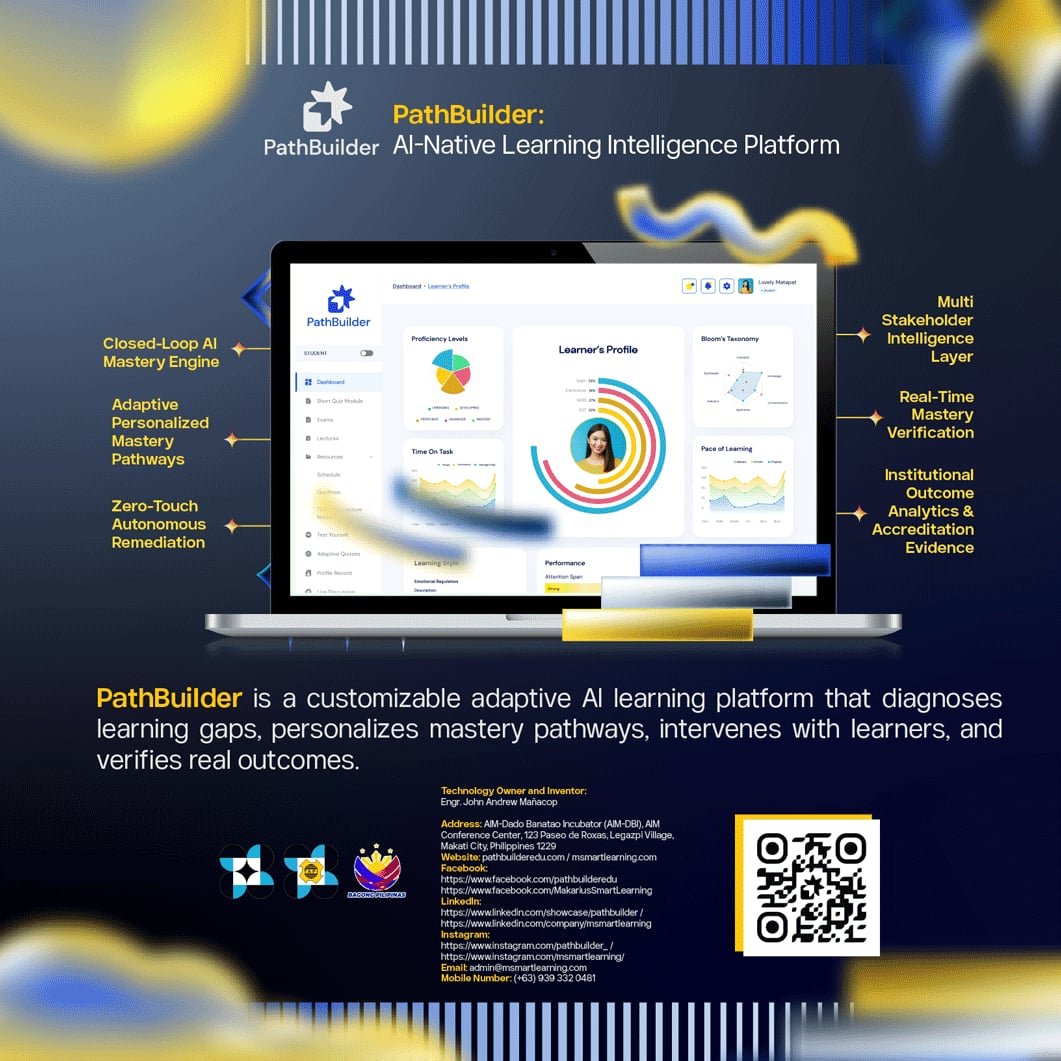
PathBuilder is focused on a different challenge entirely: making sure no student falls through the cracks.
The AI-native platform uses a four-stage process, “Diagnose, Personalize, Intervene, and Verify,” to help teachers identify learning gaps and recommend targeted interventions. In classrooms where students learn at wildly different paces, PathBuilder gives teachers a way to deliver individualized support without needing to manually track every student’s progress.
From Local Classrooms to Global Tech Stages
What makes these three startups stand out isn’t just what they’ve built. It’s where they’ve taken it.
Cerebro and GradeChum showcased their platforms at GITEX AI Asia 2026, while PathBuilder represented the Philippines at London Tech Week 2026. All three appeared as part of the Philippine delegation led by DOST TAPI under the agency’s Science and Technology Promotion for International Contest and Exhibit (SPICE) Program.
Their global exposure didn’t happen by accident. All three startups are proponents and grantees of DOST TAPI initiatives, including the Grants and Assistance to Leverage Innovations for National Growth (GALING) Program, the Technology Innovation and Commercialization (TECHNiCOM) Program, and the Expanded Venture Financing Program (EVFP). These programs are designed to help Filipino innovators move from early-stage ideas to commercially viable, internationally competitive technology.
The result is a rare full-circle story: government-backed support turning classroom-born problems into solutions good enough to compete on the world stage. From simplifying the daily grind of classroom management to personalizing how students learn, Cerebro, GradeChum, and PathBuilder are proof that Filipino innovation isn’t just solving local problems. It’s setting an example other countries are starting to notice.