Inside the Final Steps Before a Part Ships Out
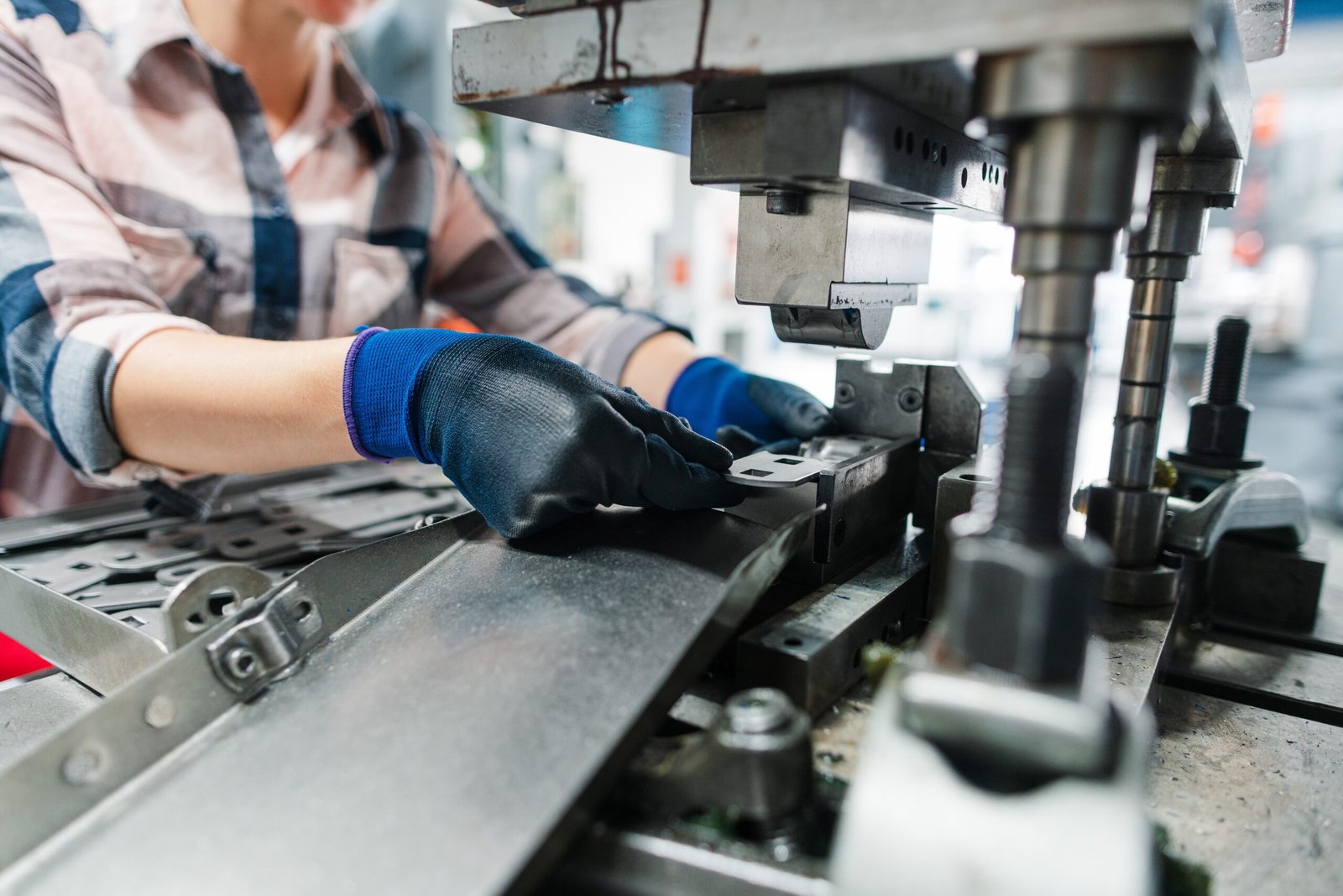
A part might look finished once it comes off the production line, but the work is not over yet. Before anything ships, manufacturers still need to make sure the part looks right, fits correctly, and matches what the customer ordered.
When you look at the final steps before a part ships, you start to see why those last hours matter so much. A small defect caught inside the factory is inconvenient. The same defect found after delivery, however, creates a much bigger headache.
Check the Finish Before Moving On
Once production wraps up, the surface usually gets a close look. If the part needs plating or another finish, workers check whether the coating landed where it should. They also look for anything that could affect fit or function.
It may seem like a small patch of uneven coating is not a big deal. But on some parts, even a little extra can cause problems later. That’s why the finish gets checked one more time before moving on.
Protect the Areas That Need to Stay Clear
Not every surface should receive the same treatment. Threads offer a good example. If plating builds up where a fastener needs to turn, the fit may change enough to cause assembly problems.
This is how custom electroplating masking improves part quality. Manufacturers use masking to protect selected areas while the rest of the part receives its finish. In other words, the goal is not to coat everything evenly. The goal is to coat the right areas without interfering with the parts that need to stay clear.
Some protected sections look almost insignificant. Still, one small area can affect the way two components fit together. That is why precise masking matters even when the protected surface seems minor at first glance.
Measure the Part Again
After finishing, workers usually check important measurements again. Coatings add material to the surface, so if the part has tight tolerances, even a thin layer needs to be measured carefully.
Instead of assuming the measurements still work, the quality team verifies them. They use gauges or other measuring tools to confirm the part still falls within the approved range. If something comes back out of spec, the part stops there until the team figures out what happened.
Look for What Automated Checks Might Miss
Machines handle a huge amount of inspection work, but people still play an important role. An inspector might notice a rough edge that does not look right. A surface might show a mark that stands out under proper lighting.
Defects are not always obvious. Sometimes a small problem only shows up during assembly. Experienced inspectors know where to look for trouble and check those spots carefully before approving the part.
Decide Whether Rework Is Worth It
A part that fails inspection does not always head straight for the scrap bin. Sometimes the team can fix the issue. Maybe the problem involves unwanted buildup. In another case, a surface needs correction before the part moves on.
Before anyone starts rework, though, the manufacturer needs to know whether the repair will still leave the part within specification.
A few questions help guide that decision:
- Will the repair change the final dimensions?
- Does the finish still meet the requirement?
- Will the corrected area work as intended?
- Does the part need another inspection afterward?
If the repair makes sense, the team fixes the issue and rechecks the part. That takes extra time, but it still beats sending a bad part to a customer and dealing with the fallout later.
Clean Up What Manufacturing Leaves Behind
Even a part that passes inspection may still need cleaning. Finishing work can leave residue behind, and dust can settle on a surface before packaging. So before the part goes into a box, workers clean off anything that should not travel with it.
This step does more than make the part look better. Cleaning sometimes reveals a surface problem that was harder to notice earlier. Once the part looks right under a final check, it can move toward packaging.
Match the Part to the Order
A perfectly made part still causes problems if it ends up in the wrong shipment. Before packing anything, workers compare the part with the order details.
They start by checking the part number, then make sure the quantity matches the customer’s request. This may sound simple, but shipping errors can be very frustrating, especially when customers only notice after waiting for delivery.
That is why this part of the process is so important. Keeping the right component tied to the right order helps prevent a good manufacturing job from turning into a bad customer experience.
Protect the Part for the Trip
After inspection, the next step is packaging. The team considers what will happen once the box leaves the building. A delicate surface needs protection from rubbing, while a heavier part needs packaging that keeps it secure during shipping.
The goal is simple: the part should arrive looking just as it did after inspection. Good packaging protects all the work done before. After all the effort spent making and checking a part, no one wants shipping damage to ruin it.
Give the Shipment One Last Check
Before the order leaves, someone still needs to confirm that everything lines up. This final release may include reviewing inspection records. The team also checks whether the shipment needs paperwork or other documentation.
Once everything matches, the order is ready to ship. By now, the part has passed several checks, each one helping to prevent small mistakes from becoming bigger problems later.
Looking inside the final steps before a part ships out gives you a better sense of what “finished” really means in manufacturing. The machine may stop working on the part hours earlier, but the job is not complete until the right component leaves in the right condition. That final stretch is where manufacturers protect the work that came before and make sure it reaches the customer as intended.
That last stretch may not look dramatic, but it is where manufacturers protect everything that came before. In the end, those final checks turn a part into something ready to ship.