HBO’s Exit From Cignal Exposes Cable TV’s Slow Collapse in the Philippines
Five HBO channels have gone dark on Cignal. Households are now staring at error screens instead of their favorite shows.
The blackout is the latest sign of a decline building across the region. It has been years in the making.
Cignal removed five of HBO Asia’s channels from its lineup. The channels included HBO, Cinemax, HBO Family, HBO Signature and HBO Hits.
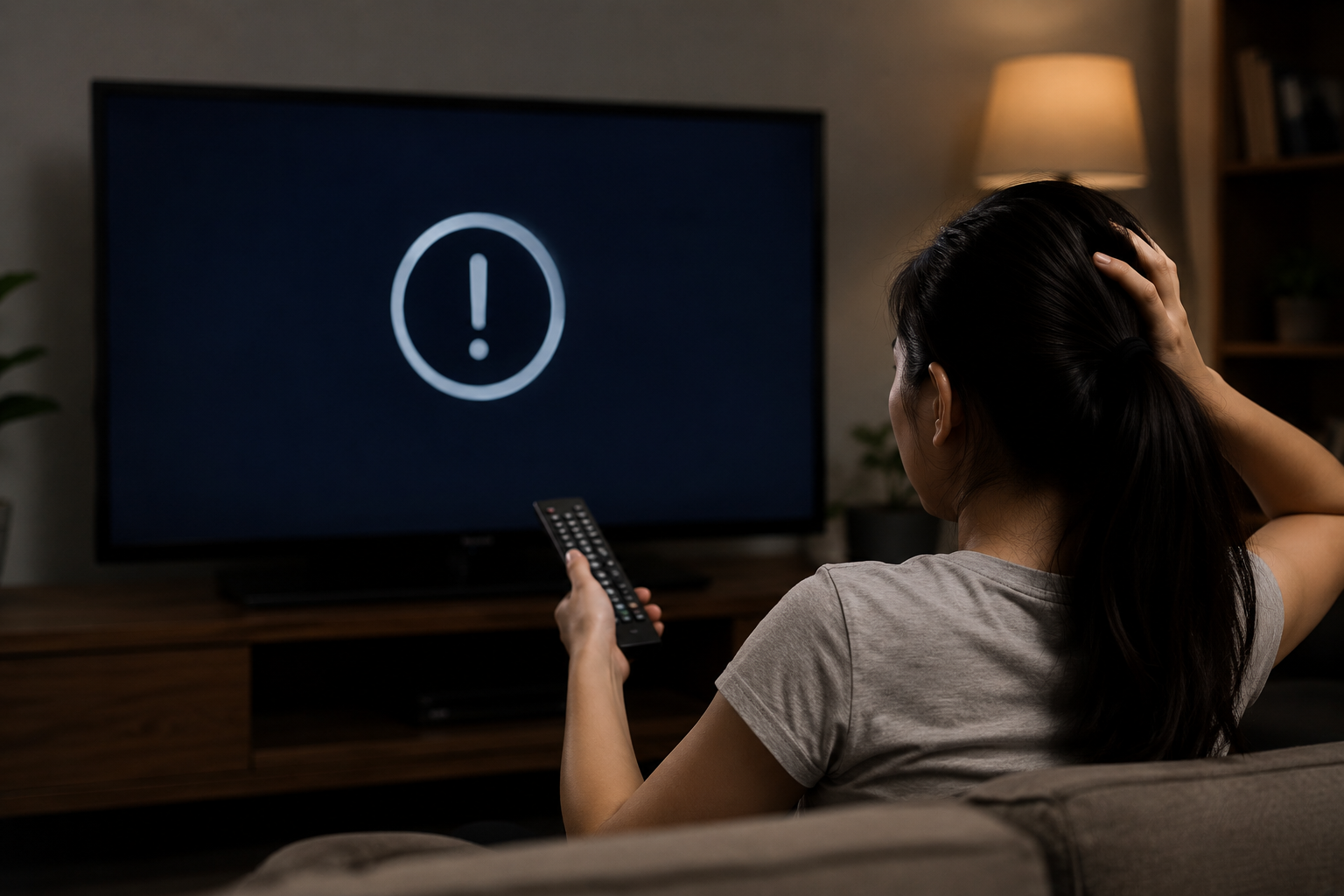
Their removal followed the expiration of a content carriage agreement. The channels went dark on Cignal Play starting August 16, 2026.
Cignal TV and SatLite lost the channels on September 1. It is a loss that has grown familiar across Southeast Asia.
A Familiar Frustration
For many longtime subscribers, the change came as a surprise. Some found their HBO Max app suddenly asking for login credentials.
Those credentials no longer worked. Some households have stayed with Cignal for over a decade.
Many downgraded their plans just to cut costs. For some, a single Filipino channel is the only reason they still subscribe.
Losing another major channel could push some subscribers to cancel. Many shows are already available through YouTube and other apps.
That makes cable’s value harder to justify for some.
A Regional Pattern
The Philippines is not alone in watching cable lose ground. A commentary published by CNA said the shift has played out in Singapore too.
Netflix, Disney+ and HBO have added millions of subscribers over the past decade, the commentary said. Disney+ alone reported more than 100 million sign-ups since its launch.
Singapore’s cable providers, StarHub and SingTel, tried to compete. They offered apps and bundled broadband to stay attractive.
Still, their combined subscriber base dropped from 962,000 in 2014 to about 698,000, the commentary said.
Channel closures have driven the shift further. Disney has shut down several sports and movie channels across Southeast Asia.
Fox Movies and Fox Sports were among those affected. It mirrors the kind of loss Cignal subscribers are now facing.
A Pandemic Turning Point
The pandemic also reshaped how audiences valued cable, the commentary said. Live sports came to a sudden halt during the height of infections.
Game days disappeared along with the reason to gather with friends. That pause was the trigger many needed to finally stop paying for cable, the commentary said.
Streaming gave viewers more control over what they watched and when. But that freedom came with a tradeoff of its own.
Watching TV became a solo habit rather than a shared one, the commentary noted. Binge-watching has also become more common, researchers cited in the commentary say.
Heavy viewers report poorer sleep and less time for exercise, the same researchers found.
A Slower Decline, Not a Sudden End
Cable has not vanished from the Philippines, but the ground keeps shrinking. Historical data from CASBAA shows roughly 7.6 million television homes in the country’s urban areas.
About half are located in Metro Manila, where penetration exceeds 95%, according to the same data. Even so, only around 2 million of those households paid for multichannel service, per a Kantar Media survey cited by CASBAA.
Cable’s low cost has helped it survive in a country with a lower regional GDP. Television remained one of the cheapest entertainment options in the region, according to CASBAA.
Many households reportedly split subscription bills with neighbors to keep the service affordable. But each channel loss, like HBO’s exit from Cignal, chips away at that value.
As more content moves online, cable providers are running out of reasons to keep subscribers.

- Reykjavik Named Europe’s Best City for Sleep as Experts Warn of Widespread Sleep Deprivation - October 20, 2026
- Future Quantum Computers Could Hijack VPN Sessions, Surfshark Warns - October 11, 2026
- Cardinals Fans Swear a Lot, Yet Rank Second-Most Positive in NFL - October 11, 2026