The Furniture Details Employees Notice Daily
Office furniture shapes how a workplace functions long before anyone comments on it. Small design choices influence comfort and the way employees move through the day. The furniture details employees notice daily are usually the ones that either support routine tasks or create repeated friction. For office managers and business owners, those details warrant careful consideration because they affect morale and productivity.
Desk Surfaces Set the Tone
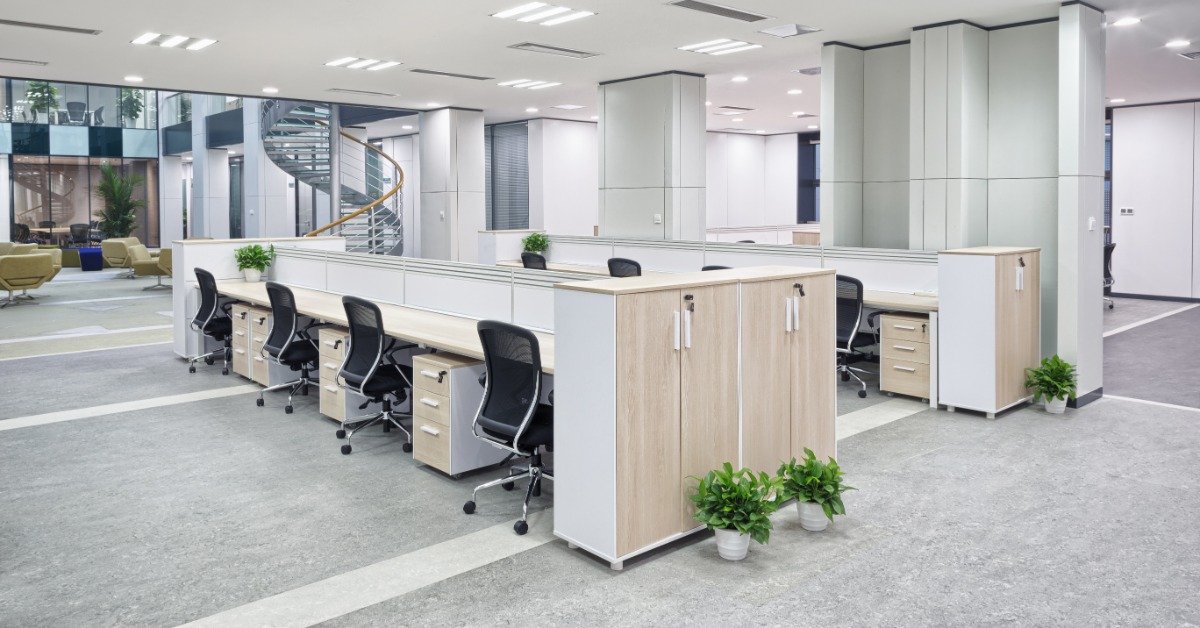
A desk surface is one of the most visible parts of an employee’s workspace. Peeling edges or a finish that marks easily can make the area look worn faster than expected. A sturdy surface, by contrast, supports daily use without demanding constant upkeep. That is why understanding what to look for in durable, high-use office desks belongs within any broader furniture planning process.
Chair Adjustments Shape the Workday
Employees notice quickly when a chair will not adjust to their body or workstation. A seat that sits too low or an armrest that blocks movement creates tension during routine tasks. Reliable controls make it easier to maintain a comfortable posture throughout the day. As a result, adjustment quality directly affects how usable the chair remains over time.
Storage Placement Affects Workflow
Storage works best when it supports the way employees complete their regular responsibilities. A drawer that blocks legroom or a cabinet placed too far away adds needless interruption to simple tasks. Thoughtful placement reduces those interruptions without making the workspace look crowded. In turn, employees spend less time working around the furniture itself.
Edge Quality Influences Comfort
Sharp corners and rough edges stand out because employees come into contact with them repeatedly. Even a small flaw along a desk or table can make the surface unpleasant to use. Rounded edges and clean finishing create a more refined experience without drawing attention to the design. Over time, that quiet consistency supports a more professional environment.
Shared Furniture Reveals Wear Fast
Furniture in meeting rooms handles a different type of use than individual workstations. These pieces face frequent movement and repeated contact from many people. Loose joints or unstable bases quickly undermine confidence in the space. Durable construction keeps the workplace well-maintained during everyday use.
Furniture does not need to be flashy to leave an impression. The strongest choices are the ones that continue working well after the novelty is gone. The furniture details employees notice daily shape how polished and dependable the office seems. Paying attention to those details creates a workplace that supports people without distracting them.