The Importance of Prototyping in Consumer Electronics
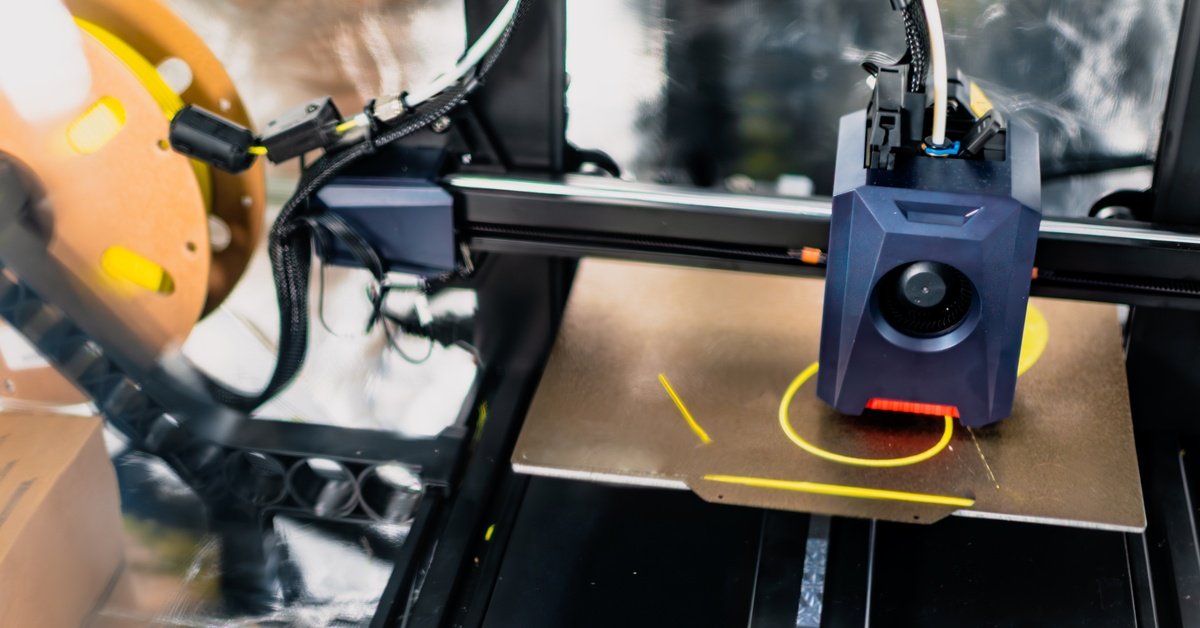
Consumer technology evolves quickly, making the importance of prototyping in consumer electronics impossible to overlook. A well-developed prototype allows designers and engineers to evaluate ideas before full production begins. By identifying design flaws early, companies can improve performance, reduce costly revisions, and create products that better meet customer expectations. This ultimately shortens development cycles and increases product success rates.
Testing Designs Before Production
A prototype transforms a concept into a functional model that teams can evaluate under realistic conditions. Engineers can verify how components fit together while designers assess usability and appearance. This process highlights issues that digital models may not reveal. Making adjustments before manufacturing begins saves time while preventing expensive production mistakes.
Improving Product Performance
Consumer electronics must perform reliably in everyday environments. Prototypes help development teams test durability, functionality, and user interaction before committing to mass production. They can refine button placement, screen visibility, or device ergonomics after gathering feedback from internal testing. These improvements create a polished product that delivers a better experience when it reaches customers.
Supporting Faster Product Development
Effective prototyping streamlines communication between design, engineering, and manufacturing teams. Everyone can evaluate the same physical model instead of relying only on technical drawings. Faster collaboration often leads to quicker decisions, reducing delays throughout development. This approach plays a valuable role in bringing consumer electronics to market faster while maintaining product quality.
Reducing Manufacturing Risks
Even a strong design can encounter unexpected manufacturing challenges. Prototypes allow manufacturers to evaluate assembly methods before production ramps up. Teams can confirm that parts fit correctly, identify potential material concerns, and improve production efficiency. Solving these issues during development helps avoid disruptions after manufacturing begins.
Building Confidence Before Launch
A successful prototype gives businesses greater confidence before investing in large production runs. Stakeholders can review a working model, verify performance, and approve design updates with greater certainty. This process also creates opportunities to gather valuable feedback from testers before releasing the final product. As a result, companies enter production with fewer unanswered questions and a clearer path toward a successful launch.
Why Prototyping Matters
Understanding the importance of prototyping in consumer electronics helps companies create reliable products while reducing unnecessary costs throughout development. It also enables teams to identify potential design risks early in the development cycle. A thoughtful prototyping process supports smarter decisions, improves product quality, and strengthens manufacturing readiness. Investing time in testing before production leads to stronger consumer electronics that perform well from the first release.