Planning Storage That Adapts to Business Growth
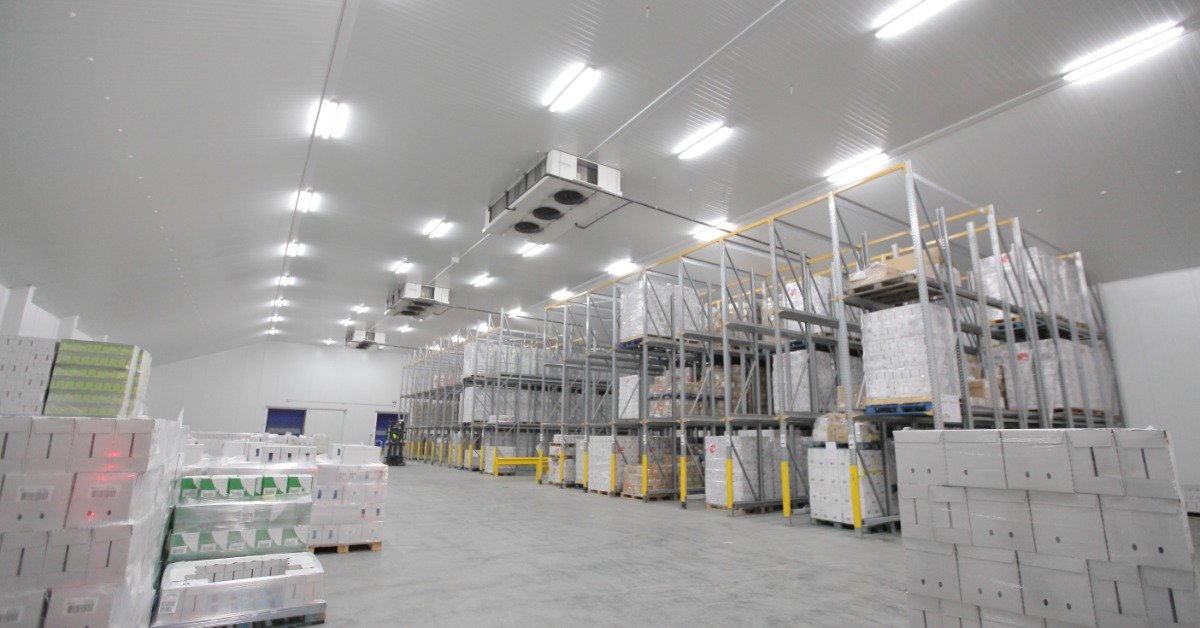
Business expansion changes daily operations long before a facility reaches its physical limits because inventory, employee movement, and available workspace evolve together as demand increases. Planning storage that adapts to business growth gives organizations an opportunity to evaluate those changes before they create unnecessary delays or inefficient routines. When businesses treat storage as part of operational planning instead of a response to overcrowding, they can support future growth without repeatedly reorganizing the same space.
Storage Should Reflect Daily Work
Growth changes how materials move through a building, which means a storage layout that once supported daily work may gradually become less practical. Employees lose valuable time when managers place frequently used items farther from the work areas that use them, while temporary storage locations interrupt established workflows and force employees to travel farther throughout the facility.
Reviewing storage as business activity changes allows managers to identify problems before they become expensive disruptions. Those evaluations encourage practical improvements that fit current operations while creating room for future expansion without requiring major changes every time inventory increases. Businesses that regularly revisit storage plans can respond to changing demands with smaller adjustments instead of waiting until operational challenges become difficult to manage.
Flexibility Supports Long-Term Planning
Adding more storage does not always solve organizational challenges because the way available space functions influences efficiency just as much as the amount of square footage. Facilities that use adaptable shelving, consistent storage standards, and clearly defined inventory locations can respond more smoothly as product demands change throughout the year.
Storage equipment deserves the same level of planning because long-term durability contributes to reliable warehouse operations. Businesses evaluating suitable long-term pallet storage may include pallet selection within broader storage discussions, so equipment continues supporting changing inventory requirements without creating avoidable disruptions. Regular reviews of storage layouts allow organizations to correct small issues before they interrupt everyday operations, making future adjustments easier to implement as inventory requirements continue evolving.
Planning Today Reduces Future Disruptions
Business growth rarely follows a perfectly predictable pattern, which makes storage planning more valuable when organizations prepare before challenges appear. Reviewing inventory trends alongside future business goals gives managers a stronger understanding of how storage needs may change.
Communication between departments strengthens those decisions because warehouse staff, purchasing teams, and leadership each recognize different operational demands. Sharing that information creates storage strategies that fit current requirements while remaining flexible enough to support continued growth as business priorities evolve. Regular discussions between departments can identify developing storage concerns before they affect inventory accuracy or the pace of daily operations.
Preparing for Continued Growth
Long-term success depends on more than expanding available space because every organization benefits when its storage strategy evolves alongside changing operations. Planning storage that adapts to business growth encourages businesses to review layouts before limitations affect productivity, creating facilities that remain organized, efficient, and ready to support future opportunities without unnecessary disruption.