7 Biggest Misconceptions About Wildfires
Wildfires often come with widespread misinformation that shapes how people understand risk. Many of these ideas come from outdated assumptions or dramatic portrayals rather than current science. Misunderstandings can lead to poor decisions during emergencies. Learning the truth behind the biggest misconceptions about wildfires helps people respond more effectively.
1. Wildfires Only Happen in Forests
Many people associate wildfires strictly with dense forests, but fires occur in many environments. Grasslands, deserts, and suburban edges all face real risk when dry vegetation builds up. Fires in these areas often spread quickly because they encounter fewer natural barriers. Communities near open land face growing exposure as development expands outward.
2. Large Flames Are the Biggest Threat
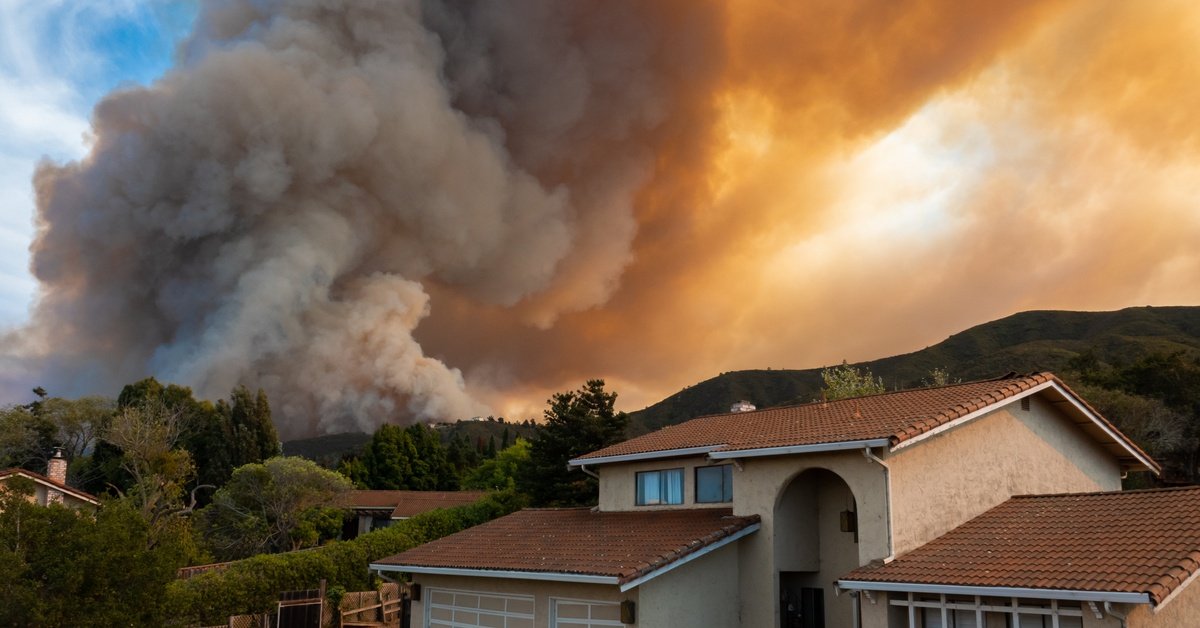
People tend to focus on towering flames, but other elements create greater danger. Wind-driven embers can travel far beyond the fire’s edge and ignite homes or vegetation. Smaller, fast-moving ground fires also create serious risks because they spread quickly and unpredictably. These factors often cause more damage than the visible flames themselves.
3. Wildfires Spread Slowly
Some assume wildfires move at a steady and manageable pace. In reality, wind, terrain, and fuel conditions drive rapid and erratic movement. Fires can accelerate suddenly and shift direction without warning. Understanding the biggest misconceptions about wildfires reinforces the need for early action.
4. Rain Immediately Ends the Risk
Rain can reduce fire activity, but it rarely removes the threat entirely. Dry materials beneath the surface can still ignite after light rainfall. Fire seasons now last longer in many regions due to changing climate patterns. A short period of rain does not guarantee safety.
5. Only Firefighters Need to Prepare
Some people believe wildfire preparedness applies only to professionals. In reality, individuals play a direct role in reducing risk around their homes and communities. Actions like clearing vegetation and planning evacuation routes make a measurable difference. There is also proper equipment and strategies to support safer outcomes.
6. Wildfires Are Always Natural Disasters
Lightning can ignite fires, but human activity causes many of them. Unattended campfires, sparks from equipment, and discarded cigarettes frequently start wildfires. These causes highlight how preventable many incidents remain. Responsible behavior reduces the likelihood of ignition.
7. If You Can See the Fire, You’re Safe
Visibility does not indicate safety during a wildfire. Smoke and embers often travel far beyond the visible flames. Poor air quality can affect people miles away from the fire itself. Relying on official alerts instead of visual cues improves decision-making.
What It All Comes Down To
Wildfires do not follow simple patterns or expectations. Misconceptions can delay action and increase risk in critical moments. Clear, accurate information helps people prepare and respond with confidence. Understanding the realities behind wildfires supports safer communities.