The Most Common Causes of EMI in Vehicles
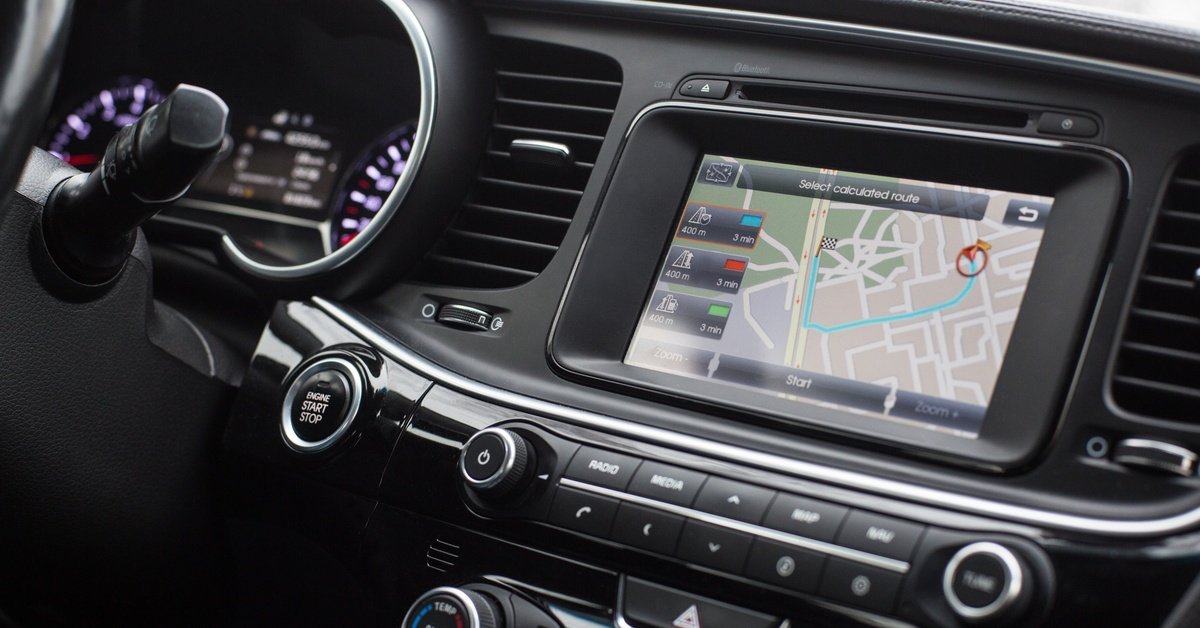
Modern vehicles rely on complex electrical systems, which means interference can creep in from multiple directions. If strange sensor readings, audio noise, or erratic behavior show up, electromagnetic interference (EMI) could sit at the root of it. The most common causes of EMI in vehicles come from everyday components that most people don’t think twice about. A closer look helps you spot trouble early and avoid costly fixes later. Stay aware of these sources so your vehicle runs as clean and predictable as it should.
Faulty or Poorly Shielded Wiring
Wiring acts as a pathway for both signals and unwanted noise. When insulation wears down or shielding falls short, interference slips into nearby circuits. This can lead to flickering displays or inconsistent sensor feedback.
For example, a worn harness near the engine bay may pick up noise from ignition components. That noise then travels into sensitive electronics, which disrupts performance. It’s important to start understanding shielded connectors for vehicle EMI control because proper shielding and routing help keep signals clean.
Ignition System Noise
Spark plugs and ignition coils generate strong electromagnetic fields. These fields can leak into nearby systems, especially if suppression components don’t perform as expected. Older vehicles tend to show this issue more clearly, though it still appears in newer builds.
You might notice static in the radio or irregular engine data. That’s a classic sign of ignition-related EMI. High-quality suppression wires and properly grounded components help reduce that effect. Clean ignition signals keep everything else stable.
Aftermarket Electronics
Custom upgrades add convenience, though they can also introduce interference. Poor installation or low-quality parts may create noise that spreads through the electrical system. Items like LED light kits, stereos, or remote starters fall into this category.
For instance, an improperly grounded amplifier may inject noise into the vehicle’s wiring. That noise can affect sensors or communication lines. Careful installation and compatible components reduce the chance of disruption. A little extra attention during setup pays off.
Successfully Identify EMI Issues Today
Understanding the most common causes of EMI in vehicles gives you an edge when diagnosing electrical issues. Instead of chasing random faults, you can narrow the focus to likely sources. That saves time and avoids unnecessary part swaps.
Pay attention to wiring condition, grounding points, and connector quality. Small improvements in these areas can lead to smoother performance across the board. Take a few minutes to inspect your setup and address weak spots before they get worse.