Common Mistakes That Can Damage Your New Vehicle

Buying a new vehicle feels exciting, but many drivers accidentally shorten the life of their investment through simple mistakes. Modern vehicles offer impressive durability, yet they still need proper care from day one. Understanding what can harm your car helps you avoid unnecessary repairs, maintain performance, and protect its value for years to come.
Skipping Regular Maintenance
Many drivers assume a new vehicle does not need attention for a long time. That mindset often creates problems. Manufacturers design maintenance schedules to keep critical systems working properly.
Ignoring oil changes, tire rotations, fluid inspections, and filter replacements can lead to premature wear. Small maintenance tasks cost far less than major repairs, so staying on schedule makes good financial sense.
Driving Aggressively During the Break-In Period
New vehicles often require a short break-in period. During this time, engine components settle into place and develop proper wear patterns.
Avoid habits such as:
- Rapid acceleration
- Hard braking
- High-speed driving for extended periods
- Towing heavy loads too soon
Following the manufacturer’s recommendations during the first few thousand miles helps protect the engine and other important components.
Neglecting Tire Care
Tires affect safety, fuel efficiency, and handling. Unfortunately, many owners forget to check them regularly.
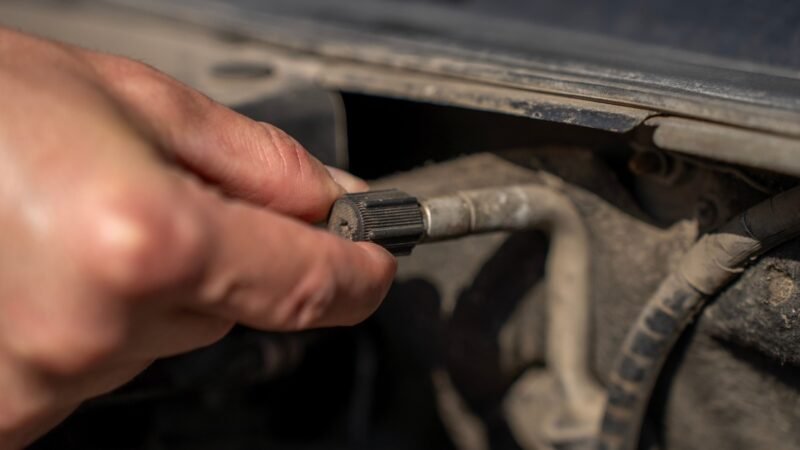
Driving with incorrect tire pressure can increase tire wear and reduce performance. Underinflated tires create extra stress on the sidewalls, while overinflated tires wear unevenly.
Check tire pressure at least once a month and inspect the tread for signs of unusual wear. Rotating the tires according to the recommended schedule also helps them last longer.
Letting Dirt and Debris Build Up
Road salt, mud, bird droppings, and tree sap can damage your vehicle if they remain on the surface for too long. Many owners focus on the interior while overlooking the exterior.
Regular washing removes contaminants before they cause lasting issues. Pay special attention to the undercarriage if you drive in areas with snow or salted roads. Keeping your vehicle clean helps prevent corrosion and preserves its appearance.
Ignoring UV Damage to Your Paint
Sun exposure can affect more than just the cabin temperature. Over time, UV damage to your paint can cause fading, discoloration, and a dull appearance.
Parking in shaded areas whenever possible helps reduce exposure. Applying wax or paint protection products also creates an additional barrier against harmful sunlight. These simple steps can keep your vehicle looking newer for longer.
Overloading the Vehicle
Every vehicle has weight limits for passengers and cargo. Exceeding those limits places extra strain on the suspension, brakes, tires, and drivetrain.
Before loading large items, check the manufacturer’s weight recommendations. Consistently carrying excessive weight can accelerate wear and negatively affect handling and fuel economy.
Ignoring Warning Lights
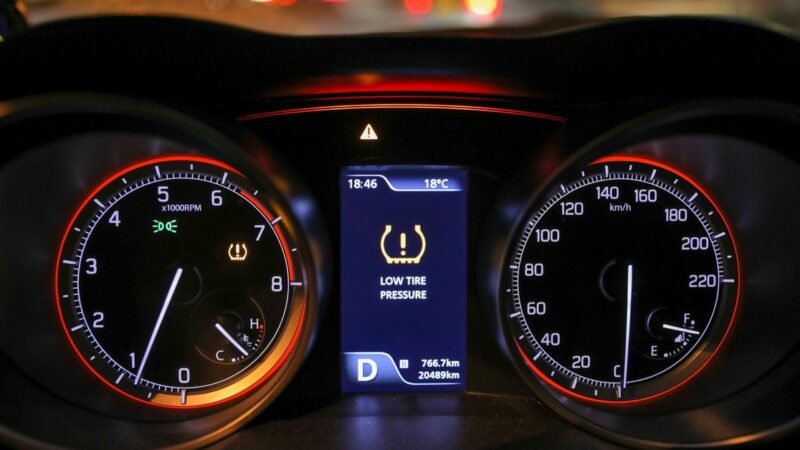
Dashboard warning lights exist for a reason. Some drivers continue driving without investigating these alerts, especially when the vehicle appears to run normally.
A warning light often signals a developing issue that could become much more expensive if ignored. Addressing problems early can prevent breakdowns and help maintain the vehicle’s reliability.
Protect Your Investment
A new vehicle can provide years of dependable service when you treat it properly. Simple habits such as following maintenance schedules, caring for your tires, keeping the vehicle clean, and responding quickly to warning signs can make a significant difference. By avoiding these common mistakes, you can protect your investment and enjoy a safer, more reliable driving experience.