Unified 911 Expands Reach With Four New Regional Command Centers
The Philippine government took another step toward strengthening emergency response services across the country with the activation of four new Unified 911 Satellite Command Centers. The expansion is designed to improve accessibility, speed, and reliability for Filipinos seeking emergency assistance.
The newly operational facilities are located in Batac City, Ilocos Norte; Cauayan City, Isabela; Leganes, Iloilo; and Tacloban City, Leyte. Their addition enhances the country’s ability to manage emergency calls, coordinate responders, and maintain communications during disasters and network disruptions.
Department of the Interior and Local Government Secretary Jonvic Remulla said the initiative reflects the government’s commitment to creating a truly nationwide emergency response network capable of serving more communities efficiently.
“We have one number, one platform, and one unified system for emergency response,” Remulla said. “Ngayon, mas marami pang Pilipino ang maaabot ng mabilis at maaasahang serbisyo ng pamahalaan.”
Strengthening emergency access
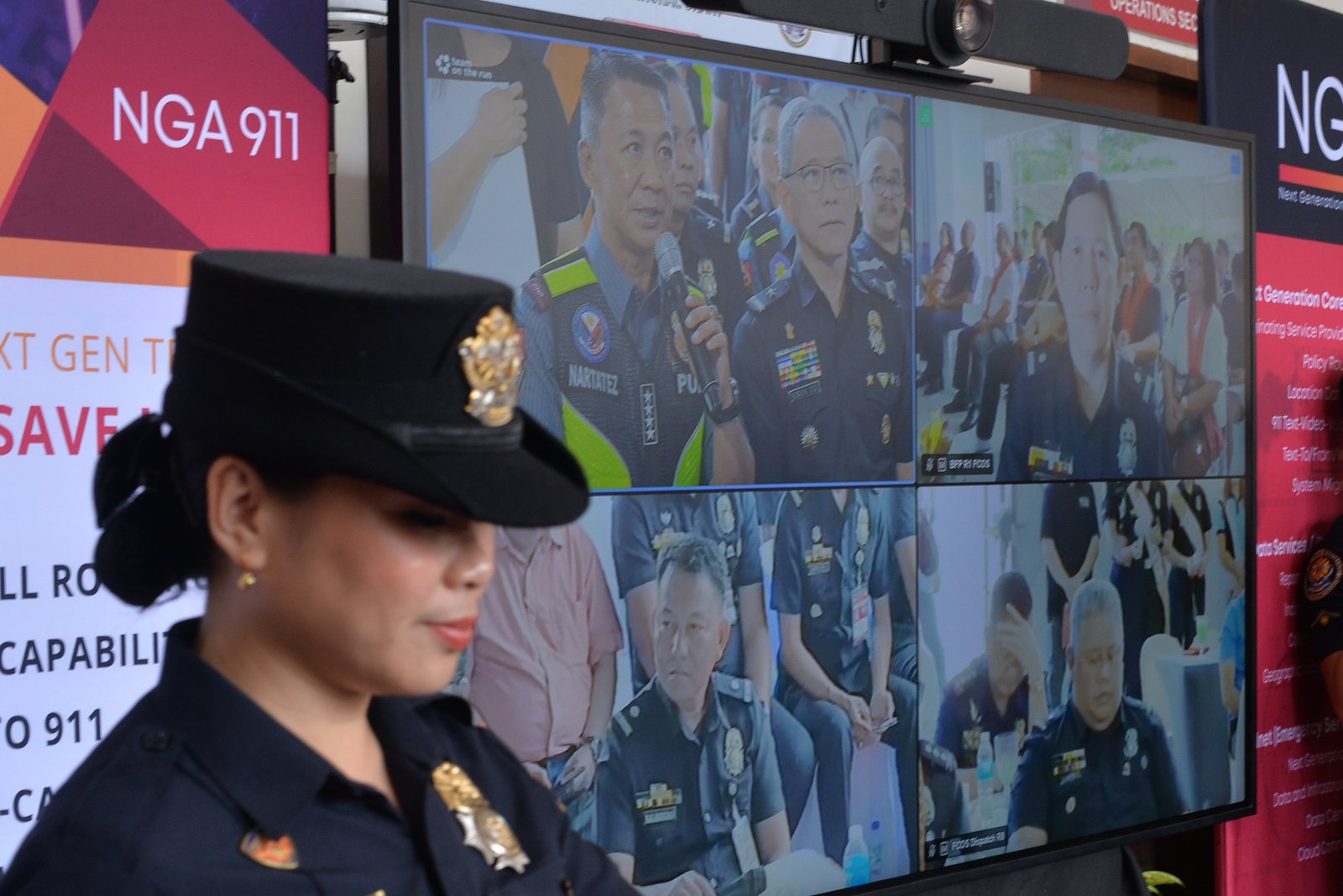
The new facilities were formally launched during ceremonies held at the Leganes Fire Station in Iloilo. National and local officials attended the event, including Bureau of Fire Protection Officer-in-Charge Fire Chief Superintendent Wilberto Rico Neil Ang Kwan Tiu, Philippine National Police Chief Gen. Jose Melencio Nartatez Jr., Iloilo Governor Arthur Defensor Jr., and several local government leaders.
Representatives from NGA 911 Philippines and PLDT Enterprise also joined the launch. NGA 911 provides the cloud-based technology supporting the Unified 911 platform, while PLDT supplies the telecommunications infrastructure connecting emergency callers and responders throughout the country.
Officials demonstrated how the newly activated command centers can coordinate seamlessly with one another, as well as with the National Command Center in Manila and the Visayas Regional Hub in Cebu. The integrated system supports decentralized call management, real-time location tracking, and uninterrupted communications during emergencies.
The expansion also brings emergency services closer to local communities. By placing operators within their respective regions, authorities can provide assistance using local languages and respond with greater awareness of local geography and conditions.
“The satellite communication works even if cell towers and landlines fail. No lost calls, no blackouts,” said Fire Inspector Claire C. Simbol, head of the Region I Satellite Command Center. “Every minute saved means more lives saved.”
Local response capabilities
Regional officials emphasized the importance of language accessibility in emergency situations. Fire Inspector Mark Anthony E. Benigay, who heads the Region VI center, noted that operators can communicate in Hiligaynon, Kinaray-a, Aklanon, and Capiznon, helping reduce misunderstandings during critical incidents.
In Eastern Visayas, Fire Chief Inspector Victor C. Ygbuhay highlighted the value of local-language support, particularly during emergencies when callers often revert to their native dialects while seeking assistance.
The command centers are connected through dedicated communication lines with the National Command Center, the National Disaster Risk Reduction and Management Council, local disaster management offices, the Philippine National Police, Bureau of Fire Protection, Department of Health, and Philippine Coast Guard. This allows agencies to exchange information and coordinate response efforts in real time.
Region II Command Center head Fire Inspector Lavender A. Baldovino said personnel assigned to the facilities completed specialized training from the DILG covering emergency call handling, dispatch operations, crisis communication, and telecommunications management.
As the Unified 911 system continues to expand, authorities are encouraging responsible use of emergency hotlines and reminding the public to avoid prank calls. The government’s objective remains clear: ensuring that every Filipino can access prompt and dependable assistance whenever emergencies occur.