Common Components Used in Laboratory Chromatography
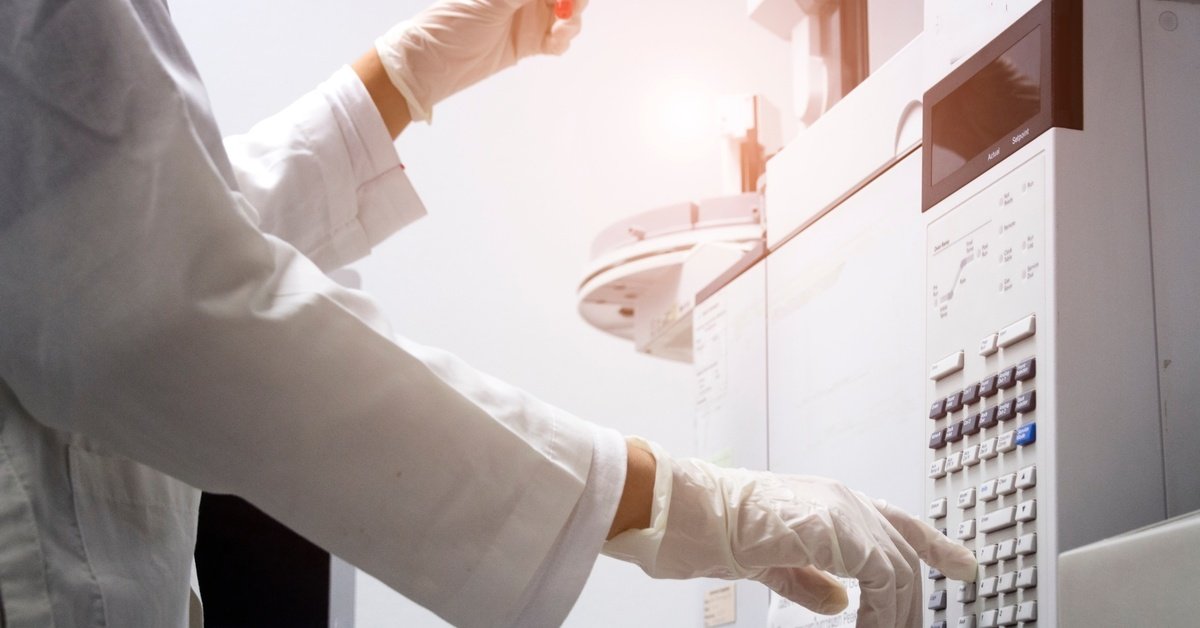
Chromatography helps laboratories separate complex mixtures into individual components so analysts can identify and quantify what a sample contains. Researchers use several forms of chromatography across pharmaceutical development, environmental testing, food analysis, and chemical manufacturing. Although the exact equipment varies by technique, most systems rely on several core components that work together.
Each part of a chromatography system has a specific role. Some components move the sample, while others perform separation or detect compounds as they leave the system. Understanding these parts can make instrument operation and troubleshooting easier and help laboratory teams select equipment that matches their analytical goals. Continue reading to explore the common components used in laboratory chromatography.
Sample Introduction
Every chromatography process begins with a sample. The system needs a controlled way to introduce that sample without disrupting the separation.
In gas chromatography, an injector introduces a small sample into a heated inlet. The heat helps vaporize suitable samples before a gas carries them into the column. Laboratories may use different inlet configurations depending on sample concentration and testing requirements.
Liquid chromatography systems typically use an autosampler or a manual injection valve. Autosamplers improve consistency by introducing precise sample volumes at programmed intervals. They can also process numerous samples without requiring an analyst to perform each injection manually.
Clean, accurate sample introduction supports reliable results. Contaminated syringes or poorly maintained injection components can introduce unwanted compounds and interfere with subsequent analysis.
Mobile Phase
The mobile phase carries sample compounds through the chromatography system. Its form depends on the technique.
Gas chromatography uses a gas as its mobile phase. Helium, hydrogen, and nitrogen commonly serve this purpose depending on the application and detector. Carrier gases are important for chromatography because their purity and flow influence how efficiently compounds move through a gas chromatography column.
Liquid chromatography uses one or more liquid solvents. Analysts select solvents according to factors such as sample chemistry and the stationary phase inside the column.
Laboratories often combine solvents in changing proportions during a run. This approach can help separate compounds with significantly different chemical properties.
Contamination in a mobile phase can create background signals or interfere with the instrument, so laboratories typically use high-purity gases and solvents designed for analytical work.
Gas Supply
Gas chromatography requires a reliable gas delivery system. Gas cylinders or laboratory gas systems provide the carrier gas and any additional gases that detectors may require.
Regulators control pressure as gas leaves a cylinder. Additional flow controls manage how quickly the carrier gas travels through the instrument.
Gas purity plays an important role because contaminants can damage sensitive columns or interfere with detector performance. Oxygen, moisture, and hydrocarbons can cause particular problems in some applications.
Laboratories may install purification traps between the gas source and instrument. These traps remove unwanted contaminants before gas reaches sensitive chromatography components.
Proper gas management helps laboratories maintain stable operating conditions throughout each analytical run.
Solvent Reservoirs
Liquid chromatography systems need reservoirs to hold the solvents that create the mobile phase. These containers connect to tubing that directs solvent toward the pump.
Laboratories often use multiple reservoirs when a method requires more than one solvent. The instrument can mix those solvents in programmed proportions as the analysis proceeds.
Analysts need to monitor solvent levels carefully. If a reservoir runs dry, air can enter the system and interrupt the flow. Air bubbles may cause pressure fluctuations and disrupt detector readings.
Clean reservoirs also protect the rest of the instrument. Residue from previous solvents or contaminants can travel through tubing and eventually reach the column.
Pumps
High-performance liquid chromatography systems rely on pumps to push solvents through tightly packed columns. These columns create considerable resistance, so the pump must generate steady pressure.
Consistent flow helps compounds move through the system at predictable rates. Changes in pump performance can alter retention times and make results harder to compare.
Some systems use multiple pumps to create solvent gradients. The instrument adjusts the amount of each solvent during the run according to the programmed method.
Pump seals and related parts experience regular wear because they operate under demanding conditions. Routine maintenance helps laboratories prevent leaks and unstable pressure.
Columns
The column serves as the heart of most chromatography systems because separation occurs inside it.
Chromatography columns contain a stationary phase that interacts differently with each compound in the sample. Some compounds spend more time interacting with the stationary phase, while others move through the column more quickly.
These differences cause compounds to leave the column at different times.
Gas chromatography usually uses either capillary columns or packed columns. Capillary columns contain a stationary phase along the inner wall of a narrow tube.
Liquid chromatography columns typically contain small particles packed tightly inside a metal tube. The surface chemistry of those particles determines how strongly different compounds interact with the stationary phase.
Column selection can greatly affect separation quality.
Column Ovens
Temperature can influence how compounds travel through a chromatography column. Gas chromatography systems commonly place the column inside an oven that provides precise temperature control.
Analysts may keep the oven at one temperature throughout a run or gradually increase the temperature. A programmed temperature change can help separate mixtures that contain compounds with different boiling points.
Some liquid chromatography systems also use column compartments that control temperature. Stable temperatures can support consistent retention behavior across repeated analyses.
Temperature changes can alter viscosity and compound interactions, so careful control helps laboratories reproduce results more reliably.
Tubing and Fittings
Tubing connects the major components of a chromatography system. Although these connections may look simple, their dimensions and materials can influence performance.
Liquid chromatography systems often use narrow tubing that can withstand high pressure. Incorrect tubing dimensions can increase unwanted volume or affect how compounds move between the column and detector.
Fittings create secure connections between tubing, valves, columns, and other components. Loose or damaged fittings can cause leaks.
Gas chromatography also relies on leak-free connections. Even a small leak can change gas flow or allow air into the system.
Regular inspection can help laboratory teams identify damaged tubing and worn fittings before those problems interrupt testing.
Detectors
After compounds leave the column, the detector measures them. Different detectors respond to different chemical or physical properties.
Gas chromatography may use flame ionization detectors, thermal conductivity detectors, or other specialized options. Each detector offers advantages for particular compounds and applications.
Liquid chromatography often uses ultraviolet detectors because many compounds absorb UV light. Other systems use fluorescence, refractive index, or mass spectrometry detection.
Detector choice depends on what the laboratory needs to identify or measure. Some applications require extremely sensitive detection, while others need a broad response across several compound types.
A stable detector produces signals that the software can convert into a chromatogram.
Data Systems
Modern chromatography depends heavily on software. A chromatography data system collects detector signals and displays them as peaks on a chromatogram.
Each peak can represent a compound that left the column at a particular time. Analysts can use retention time and peak size to help identify substances and determine their amounts.
The software can also control instrument settings. Depending on the system, analysts may program flow rates, temperature changes, injection sequences, or solvent gradients from one interface.
Data systems also help laboratories organize results and review analytical runs. Clear records make it easier to compare samples and investigate unexpected results.
Filters and Traps
Small contaminants can create large chromatography problems. Filters and traps help protect important components from particles, moisture, and other impurities.
Liquid chromatography systems may use solvent inlet filters to stop particles from entering pumps and tubing. Additional filters can protect columns from contaminants within samples.
Gas chromatography systems commonly use traps to remove oxygen, moisture, or hydrocarbons from incoming gases. These contaminants can shorten column life and increase unwanted detector signals.
Replacing filters and traps according to their condition helps protect expensive instrument components and supports cleaner analyses.
Maintenance Components
Chromatography instruments contain many parts that laboratories replace periodically. Seals, liners, septa, syringes, and filters experience wear during regular operation.
Gas chromatography inlet septa can develop leaks after repeated injections. Inlet liners can accumulate residue from samples. Liquid chromatography pump seals can also deteriorate under constant pressure.
Routine replacement keeps small maintenance issues from turning into larger instrument problems. Laboratory teams can use operating hours, injection counts, or visible performance changes to help guide maintenance schedules.
Careful maintenance also gives analysts an opportunity to inspect connections and identify developing problems before the next batch of samples.
Bringing the System Together
Chromatography depends on much more than a single analytical instrument. Understanding how these common components work together makes laboratory chromatography equipment easier to operate and maintain. When laboratories select suitable components and keep them in good condition, analysts can spend less time addressing preventable equipment problems and more time producing useful analytical results.