The Green Ring Stress: What Digital Tiering Is Doing to Gen Z’s Mental Health
It’s a subtle green circle around a story ring. At first glance, being added to someone’s ”Close Friends” list feels like an invitation into their inner circle. A badge of trust signaling low-stakes authenticity away from the general public. This feature has created an unwritten social hierarchy trigger emotional strain.
1. The Psychology of Digital Tiering
This extends far beyond simple personal insecurities or mild FOMO. While social media platforms initially introduced features like custom audience lists to grant users autonomy over their privacy, the actual social application of these tools has produced unintended psychological side effects.
When you discover that a peer or friend left you off their Close Friends circle, the brain interprets that digital absence as an act of social exclusion, which triggers underlying social anxiety and rejection. This reshapes how we evaluate real-world trust and emotional safety within our personal networks.
Instead of allowing relationships to develop organically through shared experiences and mutual vulnerability, digital tiering mechanics condition us to measure intimacy through binary access settings. Consequently, everyday social interactions begin to feel like a quiet, ongoing competition for status.
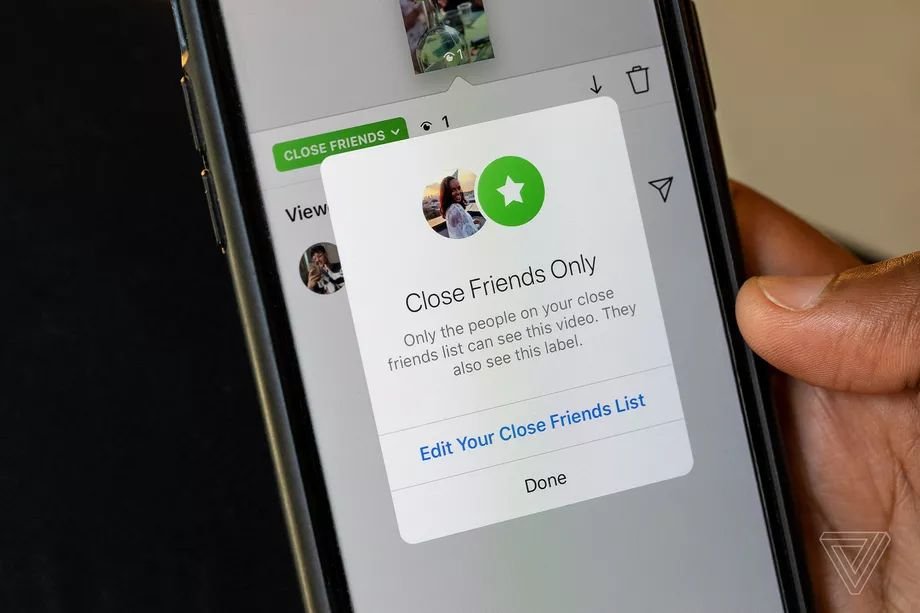 (Photo by The Verge on Pinterest)
Being added to someone else’s Close Friends list often creates an unspoken pressure to reciprocate, which blurs the line between genuine personal closeness and performative digital politeness. When you curate your own list, it forces you to evaluate friendships, turning social connections into sources of overthinking.
This dynamic introduces a subtle layer of anxiety on both sides, as users continually monitor their digital status against their real-world social standing. However, if you discover that someone left you off their private story list, remember that custom audience tiers reflect the poster’s personal comfort levels.
2. The Psychology Behind Green Ring Stress
While these tools offer necessary privacy control, they simultaneously gamify human connection by encouraging users to visually broadcast and measure intimacy through features like the green ring. It is essential to avoid using Close Friends lists as a popularity metric.
Prioritizing real-world trust over digital validation helps break the cycle of anxiety driven by platform features. Navigating digital privacy should never feel like a high-stakes social game. Establishing clear boundaries can maintain authentic relationships, whether a green ring appears on your screen or not.

Feature/Criteria ''Close Friends'' Tier

Perceived Vibe Hand-picked circle of selected friends

Mental Impact Unfiltered, casual, or meme-heavy

Emotional Safety Low-stakes sharing with trusted peers

Curation Time Social tier anxiety and exclusion worries
3. Practical Steps for Setting Better Boundaries on Instagram



Navigating modern netiquette does not require deleting every app, but it does require intentional boundary setting to protect your peace of mind. Remember that a Close Friends list is merely a technical privacy setting rather than an accurate measurement of real-life relationships.
Counteract the overall ambiguity of digital tiering by actively investing in real offline connections—whether that means calling a friend, meeting for coffee, or sending a thoughtful text. Finally, shifting toward direct, one-on-one sharing removes the performative aspect of digital tiering entirely.