What To Do After Storm Damage to Your Roof
Storms can leave homeowners facing uncertainty, costly repairs, and safety concerns within moments. Knowing what to do after storm damage to your roof helps you respond quickly, protect your home, and reduce the chance of worsening problems. Acting with a clear plan also supports better communication with contractors while preventing unnecessary delays. Careful decisions made immediately after severe weather often limit additional damage, preserve important evidence, and create a smoother path toward restoring your property with confidence.
Prioritize Safety Before Inspecting Damage
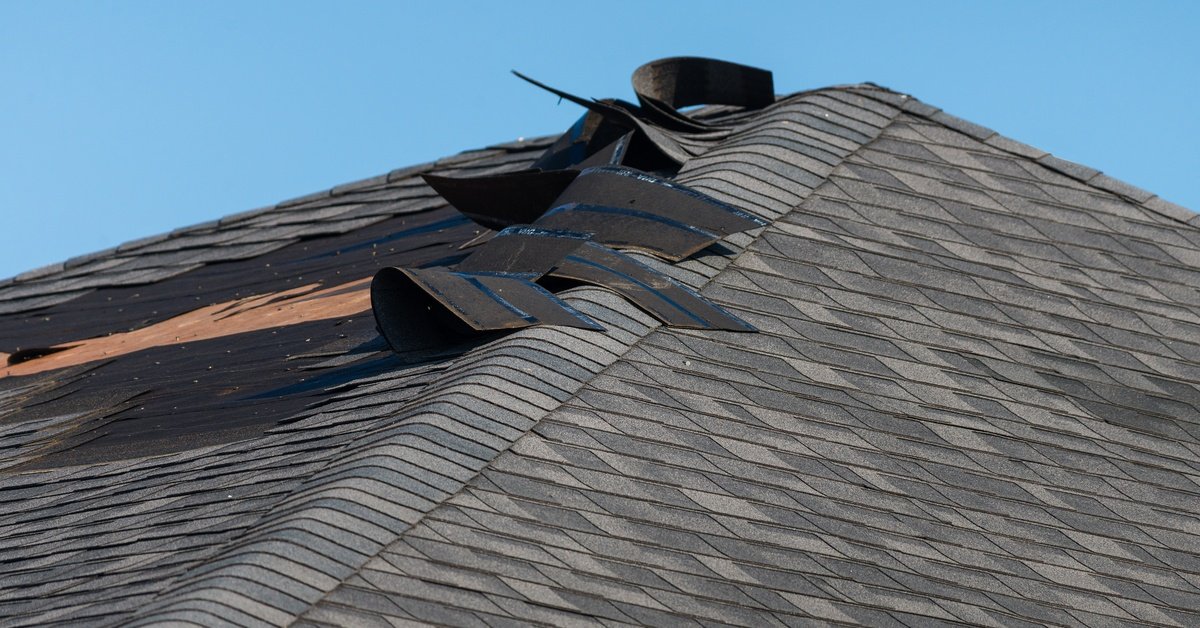
Your personal safety should always come before checking your roof after severe weather. Fallen power lines, unstable branches, slick surfaces, and hidden structural issues can create serious hazards. Stay inside until dangerous conditions pass completely. Keep away from electrical equipment near affected areas and have a qualified professional evaluate the power before you use anything. Once conditions improve, inspect your property from ground level instead of climbing onto the roof. Binoculars or a camera with zoom capabilities can help you identify missing shingles, damaged flashing, or visible debris without exposing yourself to unnecessary risks.
Document Visible Problems Carefully
Clear documentation creates a valuable record of storm damage before temporary repairs begin. Take photographs from several safe angles that show the roof, gutters, siding, and any interior water stains. Capture wide views along with close images that reveal specific concerns. Record the date, weather conditions, and observations while details remain fresh. Organized documentation makes conversations with roofing professionals more productive and supports insurance claims for roof damage when coverage applies.
Prevent Additional Damage
After documenting the situation, focus on preventing further harm to your home. If water leaks through the ceiling, place containers beneath active drips and move furniture away from affected spaces whenever possible. Cover valuable belongings with waterproof materials until repairs begin. Temporary tarping performed by qualified professionals can reduce moisture intrusion without creating unnecessary safety risks. Quick protective measures often prevent minor damage from becoming a much larger restoration project.
Schedule a Professional Roof Inspection
Even if damage appears limited, arrange a professional roof inspection promptly. Some storm impacts remain hidden beneath shingles or around roof penetrations where leaks may develop gradually. Experienced roofing contractors understand how hail, wind, and falling debris affect different roofing materials. Their assessment identifies damaged components while explaining recommended repairs in clear language. A written inspection report also creates a useful reference when comparing repair options and planning future maintenance.
Choose a Reliable Roofing Contractor
Selecting the right contractor influences the quality and longevity of your roof repairs. Look for a company with appropriate licensing, insurance, and a strong local reputation. Ask questions about repair methods, estimated timelines, and warranty coverage before signing any agreement. Request a detailed written estimate that explains the proposed work clearly. Avoid contractors who pressure homeowners into immediate commitments or request unusually large payments before materials arrive.
Understand the Repair Process
Knowing what happens during roof repairs helps set realistic expectations. Contractors typically replace damaged materials, inspect the underlying structure, and address moisture issues before installing new roofing components. Repair timelines depend on weather conditions, material availability, and the extent of storm damage. Maintaining regular communication with your contractor encourages transparency while helping you understand progress throughout the project. Patience during quality repairs often delivers better long-term results than rushing the process.
Protect Your Roof After Repairs
Once repairs are complete, ongoing maintenance reduces the likelihood of future storm-related problems. Schedule periodic inspections that identify wear before small issues become expensive repairs. Keep gutters clear so water drains properly away from the roof. Trim branches that hang above your home because they may break during severe weather. Address minor roofing concerns promptly instead of waiting until the next storm exposes hidden weaknesses. Consistent attention extends roof performance while protecting your investment.
Recognize Common Signs of Hidden Damage
Not every roofing problem becomes obvious immediately after a storm. Moisture may seep beneath shingles without creating an immediate ceiling stain. Wind can loosen materials that still appear attached from the ground. Hail sometimes bruises shingles, reducing their protective ability long before visible leaks appear. Watch for damp insulation in the attic, peeling paint near ceilings, or unexplained increases in indoor humidity during the weeks following severe weather. Paying attention to subtle warning signs allows repairs before deterioration spreads through underlying materials.
Know When Emergency Service Is Necessary
Certain situations require immediate professional attention instead of waiting for a standard inspection appointment. Large openings in the roof, sagging sections, or widespread interior water intrusion indicate conditions that can worsen rapidly. Emergency roofing teams can stabilize damaged areas, install temporary protection, and evaluate structural concerns until permanent repairs begin. Prompt action helps limit additional water damage while preserving more of the existing roofing system whenever practical.
Prepare for Future Storms
Every repair presents an opportunity to improve your home’s resilience before another storm arrives. Discuss enhanced materials or installation techniques with your contractor if replacement becomes necessary. Better ventilation and proper flashing installation may improve long-term performance under challenging weather conditions. Routine seasonal maintenance also supports stronger roofing performance because small issues receive attention before intense wind or heavy rain places extra stress on vulnerable areas. Planning ahead encourages greater confidence whenever severe weather returns.
Maintain Clear Communication Throughout Repairs
Good communication helps every stage of the restoration process move more smoothly. Keep copies of inspection reports, repair agreements, photographs, and invoices together in one location for easy reference. Confirm scheduling changes in writing whenever possible to avoid misunderstandings. Ask for updates if unexpected conditions appear during repairs so you understand how they affect costs or completion dates. An informed homeowner can make thoughtful decisions while maintaining realistic expectations about the project timeline.
Review Your Roof After the Project
After work finishes, walk around your property with the contractor to review completed repairs from a safe location. Ask questions about maintenance recommendations, warranty details, and any areas requiring future observation. Request photographs of completed work if portions of the roof remain difficult to see. Keeping thorough records supports future maintenance decisions and provides helpful documentation should another major storm affect your home later.
Moving Forward With Confidence
Responding quickly after severe weather protects both your home and your peace of mind. Careful documentation, professional guidance, and timely repairs create a practical path toward recovery without unnecessary complications. Staying focused on safety while working with experienced roofing professionals helps restore lasting protection for your property. Understanding what to do after storm damage to your roof allows you to make informed decisions and return your home to dependable condition as efficiently as possible.