Understanding the Essential Components of a Fire Truck
Fire trucks serve as highly specialized emergency vehicles that help firefighters respond quickly and work effectively in demanding conditions. Understanding the essential components of a fire truck gives departments, municipalities, and equipment suppliers a better appreciation for the engineering behind these vehicles. Every system plays a specific role in supporting firefighting operations while helping crews perform their duties safely.
The Chassis and Cab
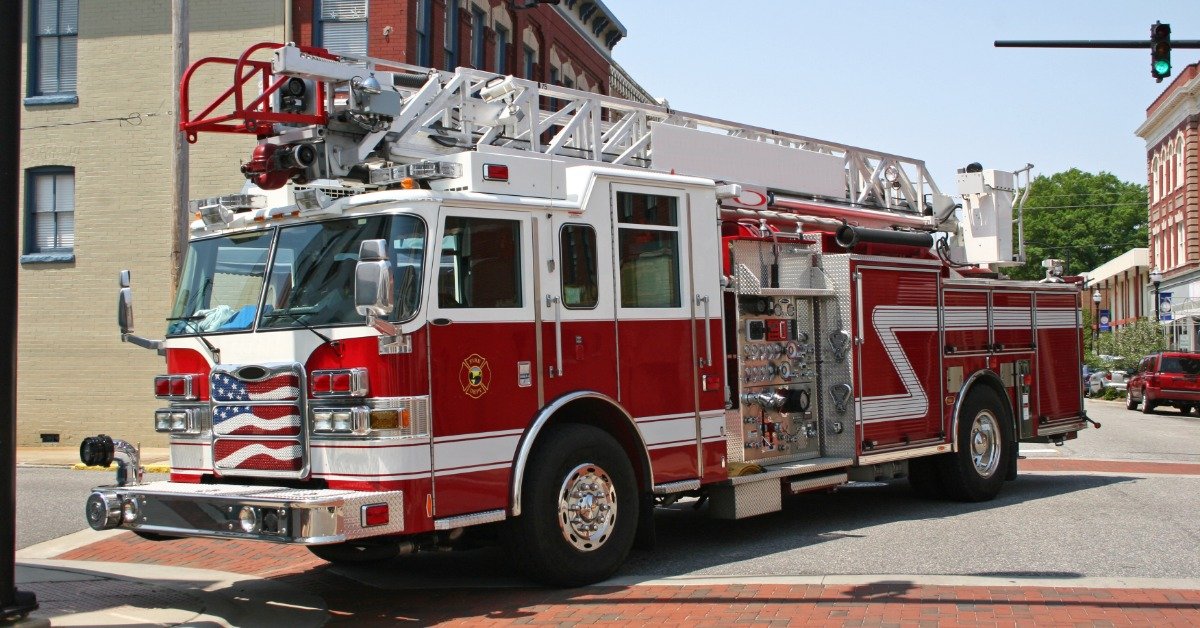
Every fire truck starts with a durable chassis designed to handle heavy loads and challenging road conditions. Manufacturers build these frames to support specialized equipment without sacrificing stability or maneuverability. The cab provides seating for firefighters while protecting them during emergency travel. Modern cabs also include communication systems, control panels, and storage for personal protective equipment, allowing crews to prepare before arriving at the scene.
Water Tanks and Pump Systems
Water tanks provide an immediate water supply until firefighters connect to a hydrant or another source. Pump systems move water at the pressure needed for firefighting operations, making them one of the most critical mechanical components on the vehicle. Engineers carefully design tanks to support the safe transport of water in fire trucks while maintaining proper weight distribution. Reliable pumps and well-designed plumbing allow firefighters to respond efficiently in many emergency situations.
Hose Storage and Equipment Compartments
Fire trucks include dedicated compartments that keep hoses, nozzles, adapters, and rescue tools organized and easy to access. Proper storage prevents equipment from shifting during travel while reducing the time required to deploy essential gear. Compartments often feature weather-resistant construction that protects valuable equipment from moisture and debris. Efficient organization helps firefighters locate the right tools quickly when every second matters.
Ladders and Rescue Equipment
Many fire trucks carry ladders that allow firefighters to reach elevated areas or assist with rescues. Depending on the truck’s purpose, these ladders may include portable designs or large aerial systems mounted directly to the vehicle. Rescue equipment such as hydraulic tools, ventilation fans, and medical supplies also remains readily available for emergencies that extend beyond fire suppression. This versatility allows fire trucks to support many types of emergency responses.
Lighting and Safety Features
Emergency lighting makes fire trucks highly visible while responding to incidents or operating at emergency scenes. Bright scene lights improve visibility for firefighters working after dark or during severe weather. Warning systems alert nearby drivers and pedestrians, helping emergency vehicles travel more safely through traffic. Reflective markings and durable exterior materials further improve visibility while protecting the vehicle from demanding operating conditions.
Keeping Every Component Ready for Service
Routine inspections and maintenance help every component perform reliably when emergencies occur. Understanding the essential components of a fire truck also highlights the importance of keeping pumps, storage systems, lighting, and structural elements in excellent condition. When every part functions as intended, firefighters can focus on protecting lives and property with confidence while relying on equipment built to meet the demands of every emergency response.