Understanding the Importance of Regular Oil Changes
Your vehicle depends on clean motor oil to keep the engine running smoothly. Oil reduces friction between moving components and helps control heat during normal operation. Over time, it collects contaminants and loses its protective qualities. Understanding the importance of regular oil changes helps drivers protect their engines and make confident maintenance decisions. Consistent oil service supports dependable operation and prepares your vehicle for varied everyday driving demands.
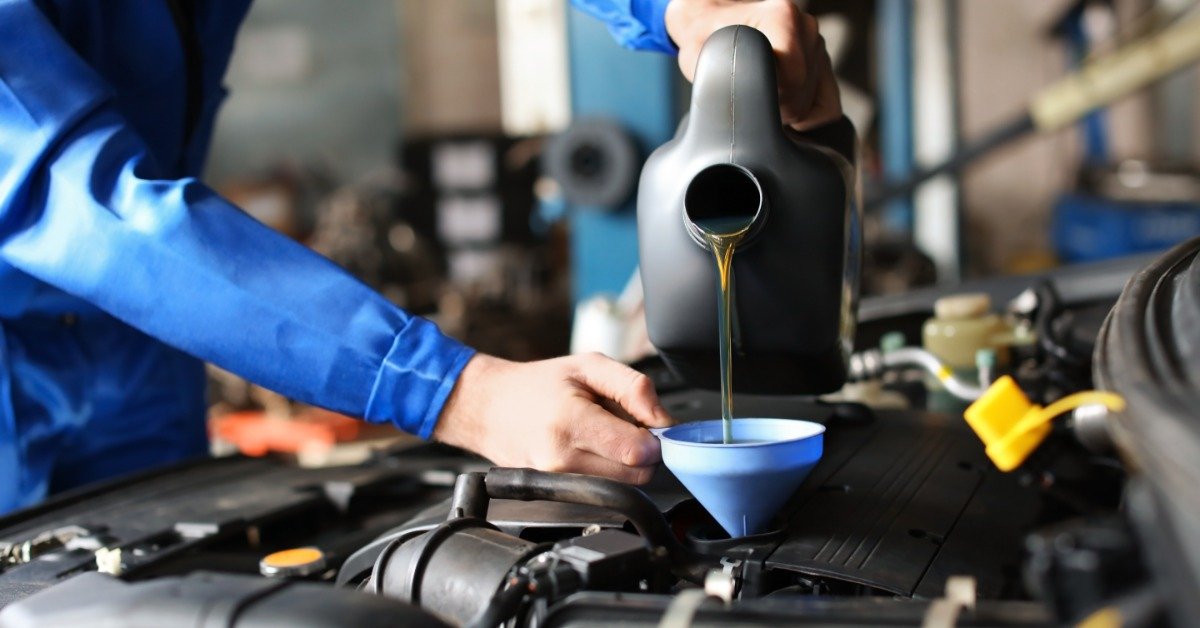
How Motor Oil Protects Your Engine
An engine contains many moving metal components that operate at high speeds and temperatures. Without adequate lubrication, these surfaces can create excessive friction as they move against one another. Motor oil forms a protective layer between components, allowing them to operate with less resistance. This lubrication limits unnecessary wear and helps the engine perform efficiently.
Oil also circulates throughout the engine and carries heat away from areas where temperatures can rise quickly. Although the cooling system handles much of the engine’s temperature control, motor oil provides additional protection for internal components. Keeping fresh oil in the engine helps it perform these jobs consistently, especially during demanding driving conditions.
Why Engine Oil Becomes Less Effective
Motor oil does not remain in perfect condition indefinitely. Repeated exposure to heat gradually changes its properties, while combustion byproducts and other contaminants can accumulate in the fluid. As oil ages, it may become thicker or less effective at maintaining a protective film between engine components.
Dirty oil can also leave deposits behind as it circulates. These deposits may interfere with proper lubrication and make the engine work harder than necessary. Replacing old oil removes accumulated contaminants and restores the engine’s supply of clean lubricant. Regular service prevents severely degraded oil from remaining inside the engine long enough to create avoidable problems.
The Connection Between Oil Changes and Engine Wear
Preventing unnecessary wear remains one of the strongest reasons to follow an appropriate oil change schedule. Moving engine parts rely on lubrication to prevent direct metal-to-metal contact. When oil deteriorates or falls below the proper level, friction can increase and place greater stress on internal surfaces.
Poor lubrication is among the most common causes of premature engine wear because even durable components need consistent protection. Fresh oil supports smoother movement and reduces the strain created during thousands of engine cycles. Maintaining the correct oil level matters as well. Checking it periodically can help you identify leaks or consumption issues before insufficient lubrication causes more serious damage.
How Fresh Oil Supports Engine Performance
An engine works best when its internal components can move freely. Thick, contaminated oil may create additional resistance, forcing the engine to expend more effort during operation. Fresh oil with the correct viscosity flows more predictably and provides the lubrication the manufacturer intended.
Drivers may not notice an immediate dramatic difference after every oil change, but routine service contributes to consistent performance over time. The engine can operate without fighting excessive friction or deposits caused by neglected oil. This maintenance also supports smoother starts because properly selected oil circulates effectively when the engine begins running. Consistent lubrication becomes especially valuable during temperature extremes that can affect oil flow.
Following the Right Oil Change Interval
There is no single oil change interval that applies to every vehicle. Engine design and oil type influence how long the lubricant can perform effectively. Vehicle manufacturers establish maintenance intervals based on the requirements of specific engines, so the owner’s manual provides the best starting point for determining an appropriate schedule.
Driving habits can also affect service needs. Frequent short trips may prevent the engine from reaching its ideal operating temperature for long periods. Heavy towing or extended operation in harsh conditions can place additional demands on motor oil. Some vehicles include oil-life monitoring systems that account for operating conditions and alert drivers when service becomes necessary. Following vehicle-specific guidance prevents unnecessary guesswork.
Choosing the Correct Motor Oil
Changing oil on schedule only provides full benefits when the engine receives the correct product. Manufacturers specify oil viscosity and performance requirements based on engine design. Using oil that meets those specifications helps maintain proper flow and protection across expected operating temperatures.
Why the Oil Filter Matters
An oil change usually includes replacing the oil filter for an important reason. As motor oil circulates through the engine, the filter captures particles that could otherwise continue moving through lubricated areas. A clean filter helps keep contaminants away from sensitive internal components.
Over time, the filter accumulates debris and becomes less capable of performing efficiently. Replacing it during an oil change gives fresh motor oil a clean filtration system to move through. Leaving an old filter in place can undermine some of the benefits of adding new oil. Treating the oil and filter as connected parts of the same maintenance service supports cleaner circulation throughout the engine.
Recognizing Signs Your Vehicle Needs Attention
Following a maintenance schedule offers better protection than waiting for symptoms, but drivers should still pay attention to changes in their vehicles. An illuminated oil warning light requires prompt attention because it may indicate low pressure or another lubrication problem. Unusual engine noise can also signal that components are not receiving adequate protection.
Oil that appears unusually low on the dipstick deserves investigation, particularly when the level drops repeatedly between services. A burning smell or visible oil beneath the vehicle may point to a leak. These warning signs do not always mean the oil simply needs changing, so a technician should diagnose persistent problems rather than relying on fresh oil as the only solution.
Making Oil Changes Part of Routine Maintenance
Oil changes become easier to manage when drivers treat them as a normal part of vehicle ownership instead of an occasional repair. Keeping service records provides a clear history and makes it easier to determine when the next appointment is due. Records can also help technicians understand how consistently the vehicle has received maintenance.
Protect Your Engine With Consistent Oil Service
Understanding the importance of regular oil changes means recognizing how strongly lubrication affects everyday engine operation. Fresh motor oil reduces friction, helps manage heat, and carries contaminants away from critical components. Replacing degraded oil at the correct interval gives the engine reliable protection and supports consistent performance throughout the vehicle’s service life.