Habagat’s Worst Night Couldn’t Knock Philippine 911 Offline
The rain kept falling. The floodwater kept climbing. For once, the emergency line did not break.
As Habagat — the southwest monsoon — hit its worst stretch over the weekend and into Monday, distress calls poured into the National Command Center. Residents called as water crept up their walls, as their vehicles stalled in the flood and, in some cases, from inside homes that were already submerged.
Help reached callers across Parañaque, Las Piñas, Cavite, Bulacan and Batangas. Some were pulled out by boat, others by firetruck, then moved to evacuation centers. Others were simply freed from homes and cars the water had sealed shut.
Zero Downtime When It Counted
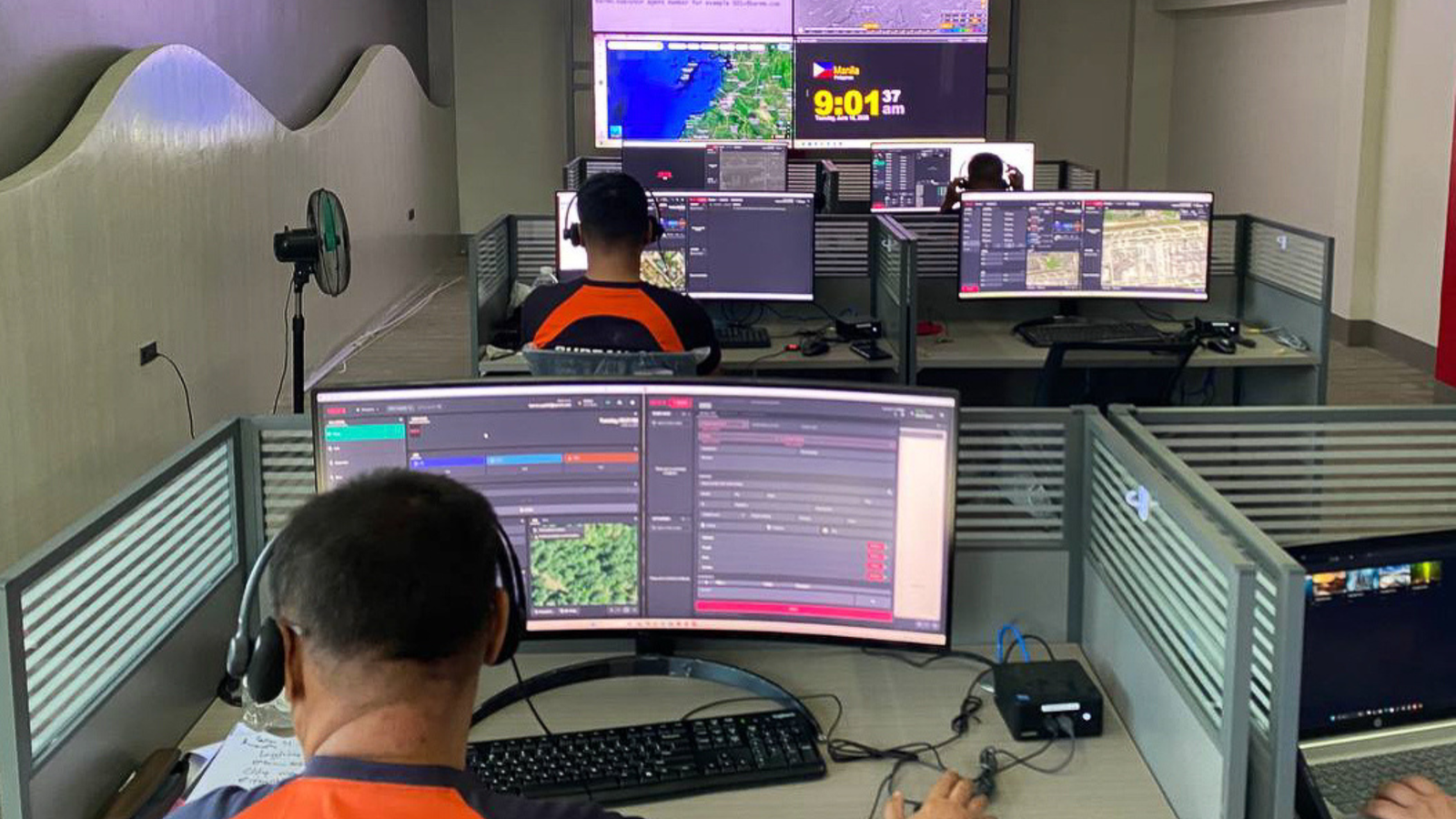
The unified 911 system stayed up for the full run of the storm, according to the officials who operate it. Legacy networks, they noted, would typically have buckled under that kind of load.
Francis Fajardo, executive director of the National 911 office, said personnel were placed on heightened alert as conditions worsened.
“All personnel leaves were canceled and responders were recalled to duty to ensure every command center is fully staffed, fully operational, and ready to take critical calls without delay,” he said.
Sean Valdez, strategic governance and operations manager at NGA 911 Philippines, drew a sharp contrast with past storms.
“In the past, during typhoons and habagat, citizens encountered dead zones, line congestion and communication blackouts,” he said. He added that the system now offers guaranteed citizen access and immediate relay of emergency calls to first responders.
From Guesswork to Real-Time Data
The bigger shift sits behind the call itself. Before unified 911 was switched on, responders often worked from rough descriptions and approximations — and that guesswork cost time on every job.
The system now pairs real-time caller data with location tracking and digital workflows. Those tools run on the Unified Platform for Communications and Dispatch, known as UPCAD, and reach crews in the field through rugged mobile devices built to survive the conditions they are sent into.
Valdez was careful to mark the limits of what the platform does.
“Unified 911 serves as the central intake and call relay engine for 911 emergency calls. It does not directly coordinate on the ground rescue units,” he said.
The fastest rescue logged during the operations took two minutes, according to figures released by the 911 office.
Rob Llaguno, country head of NGA 911 Philippines, described the service as “as resilient as the Filipinos.”
He said the next step is to push 911 beyond voice calls entirely, with access through Meta platforms for digital messaging. Once the system runs at full capacity, he said, the country will have an emergency response network that is not only dependable but far easier to reach.