Trick-or-Treating Origins: Celtic Ghost-Fighting Costumes to Candy Tradition
Costumes that began as a defense against ghosts have turned into big business. Americans are expected to spend $13.5 billion on candy, costumes, decorations and greeting cards this year, or $115.14 per person, according to the National Retail Federation.
The tradition began with Samhain, when Celts in Central and Western Europe held that the dead came back to earth on the night of Oct. 31. Some villagers reportedly dressed in animal skins to scare off the phantom visitors, and food was left out to calm the spirits.
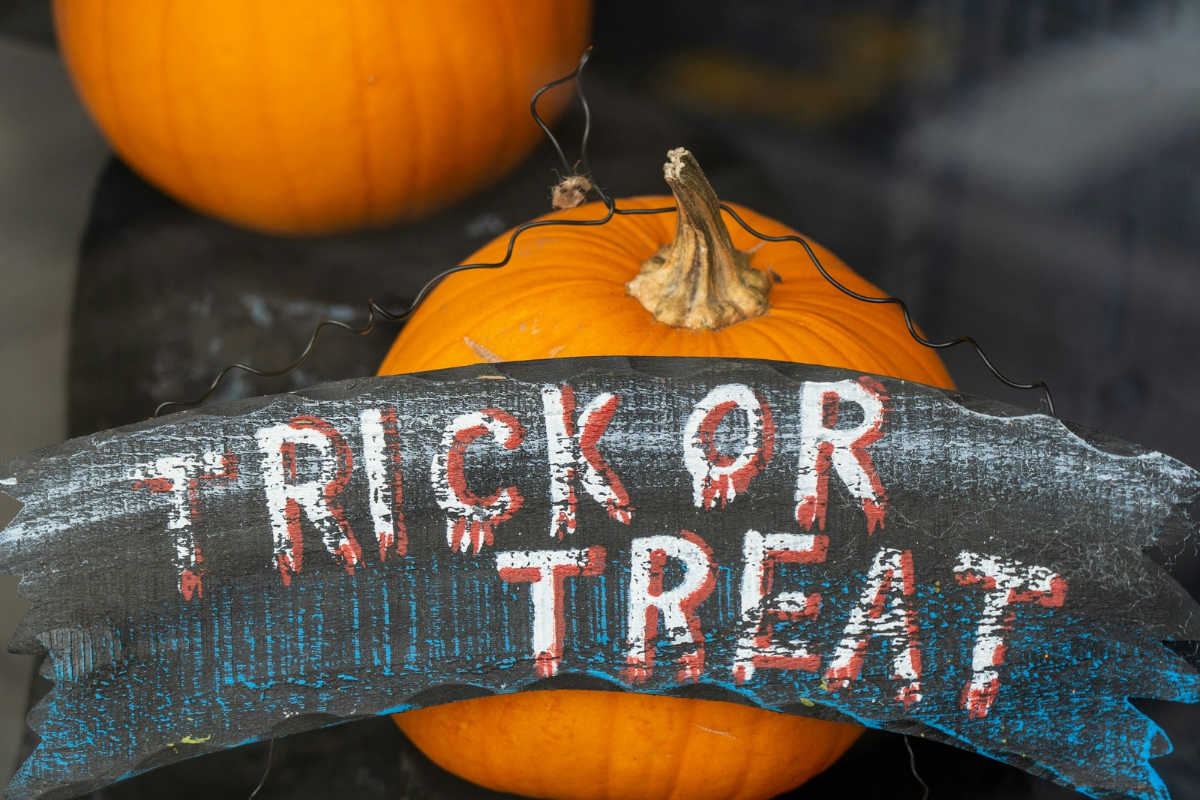
The route from those disguises to modern trick-or-treating is murky. It runs through monasteries, door-to-door requests for cakes, a plot to blow up Parliament, Depression-era vandalism and wartime sugar rationing before reaching today’s candy industry.
Celtic Fears and Costumed Disguises
On Samhain, people lit bonfires, made sacrifices and honored the dead. They set out banquet tables and left food to appease spirits they did not want around.
That offering of food for unwelcome visitors would echo in later customs. Disguised callers eventually received food and drink in return for their antics.
Centuries later, people dressed as ghosts, demons and other menacing figures and put on antics for food and drink. The practice, called mumming, goes back to the Middle Ages.
Mumming is thought to be an antecedent of trick-or-treating. It introduced the basic trade behind the modern tradition: a performance from the visitor and a payoff from the household.
Souling, Guising and Bonfire Night
By the ninth century, Christianity had spread into Celtic lands and gradually blended with, then replaced, older pagan rites. Around A.D. 1000, Odilo of Cluny set Nov. 2 as All Souls’ Day, a day to remember the dead at Cluny and its affiliated monasteries.
The observance later spread through the church. Celebrations in England resembled Celtic commemorations of Samhain, complete with bonfires and masquerades.
Poor residents called on wealthier households and received pastries known as soul cakes in return for pledging to pray for the homeowners’ dead relatives. The practice, called souling, was later taken up by children.
Children later went door to door requesting food, money and ale. Souling put a spiritual service, rather than a trick, at the center of the exchange.
In Scotland and Ireland, young people took part in guising, wearing costumes and collecting offerings from households. Rather than promising prayers for the dead, they sang, recited poems, told jokes or performed some other “trick.”
The payoff for that performance typically consisted of fruit, nuts or coins. Guising moved the trick-for-treat trade closer to its modern form.
Trick-or-treating also shares elements with Guy Fawkes Day, known as Bonfire Night. On Nov. 5, 1605, Fawkes was arrested for his role in the Gunpowder Plot, a Catholic-led conspiracy to blow up Parliament with King James I inside.
Bonfires were lit right after the plot was foiled, and later celebrations often included effigies of the pope or Fawkes, who was executed in January 1606. By the early 19th century, children in masks roamed the streets on Nov. 5 asking for “a penny for the Guy.”
Pranks Push Communities to Organize
In the mid-19th century, waves of new immigrants, especially people fleeing the Irish Potato Famine in the 1840s, helped popularize Halloween in the United States. By the early 20th century, Irish and Scottish communities revived souling and guising.
By the 1920s, however, pranks had become the Halloween activity of choice for rowdy young people. The Great Depression exacerbated the problem, with mischief often devolving into vandalism, physical assaults and sporadic acts of violence.
Halloween in those years leaned heavily toward tricks, and some pranks turned dangerous. Cars were overturned and telephone poles were cut down.
One theory suggests that excessive pranks led to the widespread adoption of an organized, community-based trick-or-treating tradition in the 1930s. Various groups promoted the custom in hopes of discouraging vandalism.
The phrase “trick-or-treat” became popular in the United States in the 1930s and 1940s. World War II abruptly curtailed the trend, because sugar rationing left few treats to hand out.
Candy Makers Cash in on Halloween
During the postwar baby boom, trick-or-treating returned to the center of Halloween. Millions of children in American cities and newly built suburbs soon made it routine.
As sugar rationing ended after the war, more people embraced the holiday’s sweetness. Cartoon characters such as Charlie Brown and Donald Duck helped popularize the idea by referencing trick-or-treating.
With sugar rationing over, candy makers moved to profit from the ritual. They ran national advertising campaigns targeted at Halloween, and their pursuit of profit helped the tradition spread.
Halloween has become a multibillion-dollar retail occasion. A custom that began with food left out for spirits supports an industry built on candy, costumes and decorations.

- Trick-or-Treating Origins: Celtic Ghost-Fighting Costumes to Candy Tradition - October 31, 2026
- Remember the Commodore 64? The Retro Gaming Legend Returns With a Sleek New Look - October 28, 2026
- Cyberattacks Are Hitting Small Businesses Where It Hurts Most: Customer Data and Cash - October 28, 2026