7 Signs Your Solar Panels May Need Professional Service
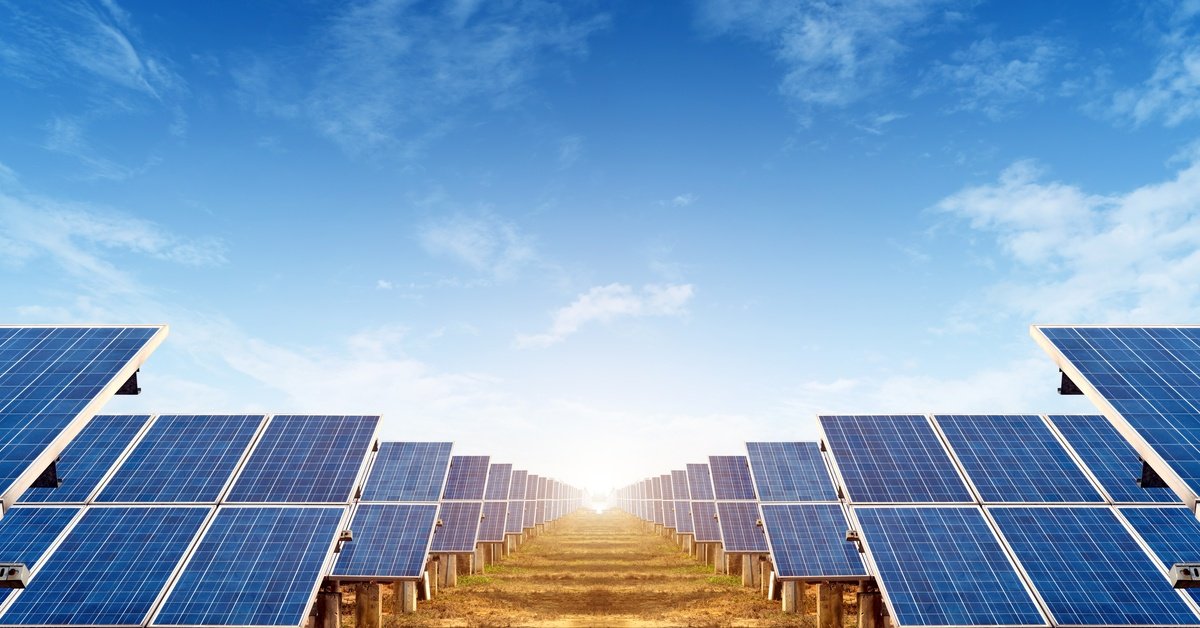
Solar panels usually operate quietly in the background, making early problems easy to miss. A system may continue producing electricity even when one part no longer performs as it should. Recognizing warning signs that solar panels need professional service can help homeowners respond before a minor concern affects the entire system.
Here are seven signs that it may be time to call a qualified solar technician.
1. Energy Production Suddenly Drops
A noticeable drop in output deserves attention when weather conditions have not changed much. Homeowners can compare recent production with data from the same season in previous years.
Cloud cover or shade may explain a temporary dip, but a sustained decline could indicate damaged wiring or a failing component. A professional can test the system and identify the source of the loss.
2. Panels Show Visible Damage
Cracked glass or loose mounting hardware can affect performance and create safety concerns. Storm debris may also damage a panel even when the problem looks minor from the ground.
Homeowners should avoid climbing onto the roof for a closer inspection. A trained technician can examine the panels safely and determine whether repairs make sense.
3. Your Monitoring System Sends Repeated Alerts
Many modern solar systems use an app or online dashboard to report performance. A single error may clear on its own, but repeated warnings usually warrant attention. Write down the error code or take a screenshot before contacting a technician. That information can help them understand the problem before the service visit.
4. The Inverter Keeps Showing Errors
The inverter converts the electricity that solar panels produce into power a home can use. When it struggles, the rest of the system may produce less usable energy.
Watch for:
- Repeated shutdowns
- Flashing warning lights
- Ongoing error messages
- Output that falls below normal levels
Homeowners should follow the manufacturer’s instructions before resetting any equipment. Repeated faults usually call for professional testing.
5. Dirt Returns Soon After Cleaning
Dust or bird droppings can block sunlight and reduce output. Cleaning may solve the problem, but persistent buildup could point to a location-specific issue that requires a safer maintenance plan. Homeowners should use cleaning methods recommended by the manufacturer. Harsh chemicals may damage panel coatings, while unsafe roof access creates unnecessary risk.
Cleaning also gives owners a chance to consider the full life cycle of their system. When solar panels reach the end of their useful service life, responsible recycling can help recover valuable materials and keep bulky equipment out of improper disposal streams.
6. Water Appears Near Wiring
Moisture around junction boxes or electrical connections requires immediate attention, as water can damage system components and pose electrical hazards. Never touch wet wiring or try to fix it without proper training. A qualified technician can identify the source of the moisture and assess whether any nearby equipment has been affected.
7. The System Has Not Had an Inspection in Years
A solar system might seem to operate normally even as minor issues develop unseen. Loose connections or aging seals often don’t lead to immediate shutdowns. A professional inspection can verify that the mounting hardware remains secure and that electrical components function properly. The technician can also assess the current energy production against the expected output.
Homeowners who understand when their solar panels may require professional service can address concerns before performance declines further. Paying attention to output and system alerts can help protect the investment. Timely service also gives solar equipment a better chance to remain dependable for years.