New Satellite 911 Center Boosts Central Luzon Safety
Help just got faster and more personal for millions of Central Luzon residents. Emergency response in the region got a major upgrade with the launch of the Unified 911 Region 3 Satellite Command Center, staffed by telecommunicators who speak Kapampangan, Ilokano, Pangasinense, English, and Filipino.
Flooding, vehicular accidents, typhoons, and heat-related medical emergencies are among the most common incidents in Central Luzon. Previously, emergency calls from Region III were routed to the National Command Center or other Unified 911 facilities, adding precious time to every response.
Local Dialects, Faster Response Times
Those calls are now handled locally, allowing responders to gather critical information faster and dispatch the nearest emergency units without delay. DILG Secretary Jonvic Remulla said the new facility brings emergency services closer to communities and strengthens the government’s ability to respond when lives are at risk.
“This is part of the Marcos administration’s commitment to strengthen local emergency response capabilities and ensure every Filipino has access to a reliable and responsive public safety system,” he said.
The satellite command center is located at the former Bureau of Fire Protection Regional Office III in San Fernando, Pampanga. It is part of the nationwide expansion of the Unified 911 system, which integrates police, fire, medical, and rescue services into a single toll-free, 24/7 emergency network.
Connected to the National Command Center in Metro Manila, the Regional Hub in Cebu, and other satellite command centers nationwide, the facility enhances emergency response in one of the country’s most populous regions. “Call takers at our command center receive accurate details right away, allowing us to deploy the nearest response team without confusion,” said Fire Senior Inspector Glory Cajucom, chief of the Region 3 Satellite Command Center. “Faster, clearer information means help reaches those in need much sooner.”
Technology and Trust Working Together
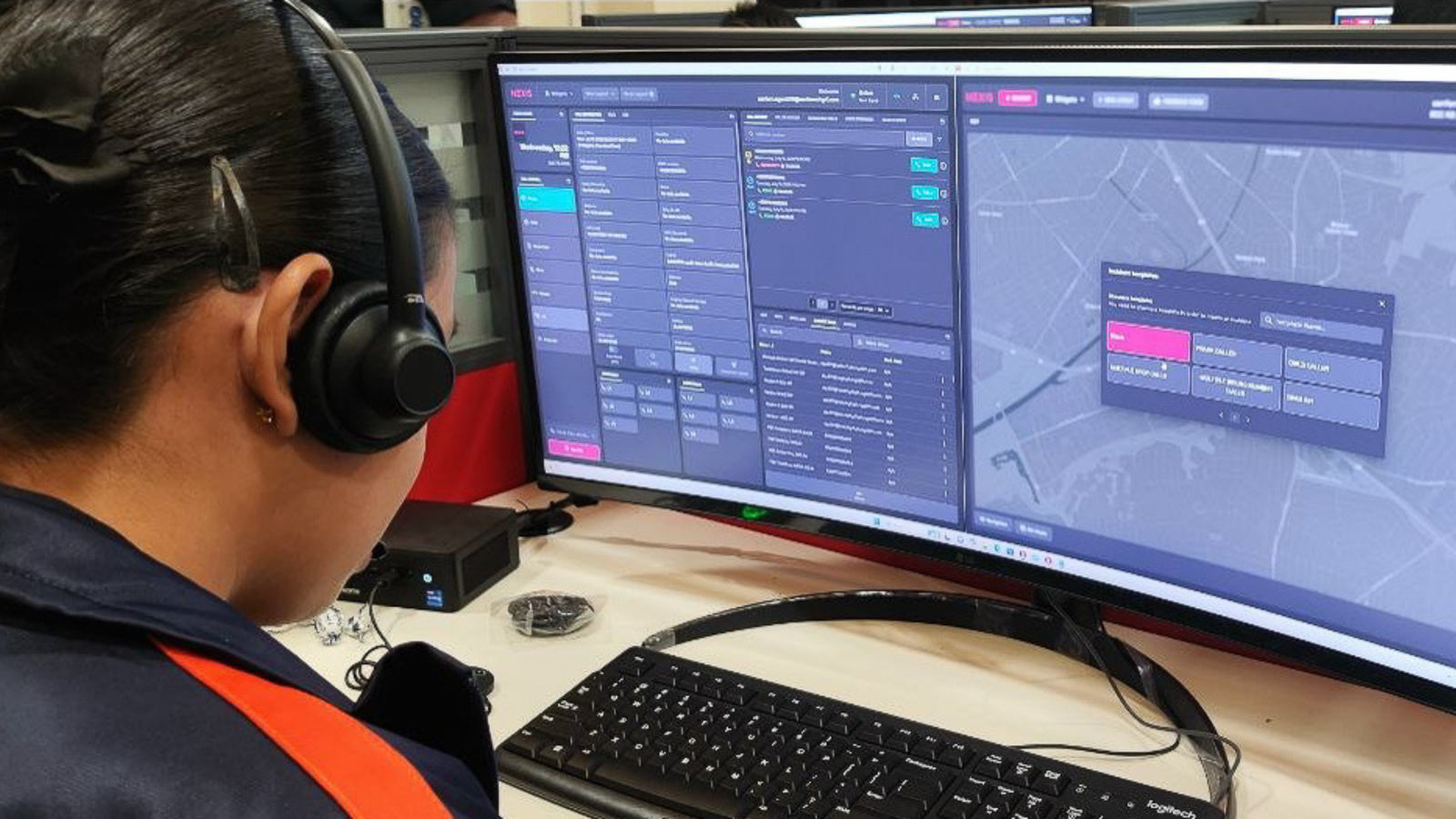
Powered by NGA 911 technology and PLDT communications infrastructure, the platform supports voice calls, text messages, photos, and live video. That range of tools allows responders to assess emergencies more accurately and coordinate more effectively in real time.
Because telecommunicators are familiar with the region’s communities, landmarks, and local dialects, callers can describe emergencies more clearly and without language barriers. That familiarity is proving critical in moments when every second and every detail counts.
“This helps avoid misunderstandings about the location or type of emergency while building immediate trust,” Cajucom said. “When callers feel understood, they provide complete information that enables us to respond appropriately.”
The facility is fully integrated with the National Command Center and neighboring regional centers for seamless coordination during major disasters. It is also equipped with computer-aided dispatch systems, dedicated communication lines, and backup power to ensure uninterrupted operations, no matter what Central Luzon faces next.