Iran pushes new Pakistan-backed negotiation plan as U.S. tensions rise and regional diplomacy faces critical test
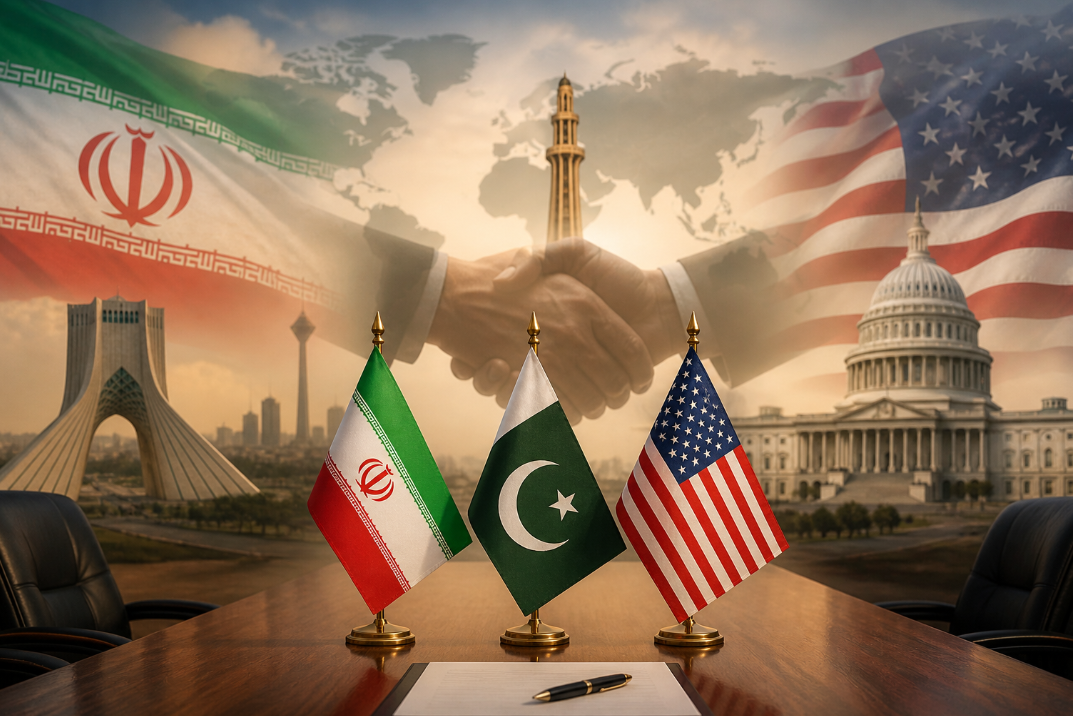
Iran has strengthened its diplomatic outreach by sending a new negotiation proposal to Pakistan, positioning Islamabad as a central mediator in efforts to ease tensions with the United States. The move underscores Pakistan’s growing strategic significance as Tehran seeks to balance diplomatic engagement with firm resistance to Washington’s policies.
Iranian Ambassador to Pakistan Reza Amiri Moghadam confirmed that Tehran’s latest framework had been formally delivered to Pakistan’s leadership, which then transferred it to Washington. His remarks highlighted Iran’s continued openness to negotiation while making clear that progress depends heavily on significant shifts in U.S. behavior.
“Tehran is transparent in its positions and demands, and it depends on the United States that if it is sincerely seeking to resolve issues and a breakthrough in negotiations, it must change its behavior,” Moghadam said. The ambassador’s statement reflects the immense stakes surrounding these negotiations, with both regional powers and the wider international community closely monitoring developments.
Iran has emphasized that while diplomacy remains its preferred path, national defense preparations remain fully active amid continued geopolitical uncertainty. Tehran’s dual-track approach demonstrates that while negotiation remains possible, strategic readiness will remain central until meaningful diplomatic progress is achieved.
Pakistan’s strategic mediation role becomes increasingly critical
Pakistan’s role as the primary diplomatic intermediary between Tehran and Washington has significantly elevated Islamabad’s geopolitical relevance. As one of the few nations maintaining strong communication channels with both sides, Pakistan’s leadership could prove pivotal in shaping whether negotiations move toward de-escalation or deeper confrontation.
“Everyone in the region and the world is waiting for the results of the talks,” Moghadam said, reinforcing the global importance of the diplomatic process. His statement highlights the broader consequences of these negotiations, which could affect regional security, economic stability and future geopolitical alignments.
Iran’s reliance on Pakistan also reflects Islamabad’s broader ambitions to emerge as a stabilizing force in regional affairs. Successfully navigating this diplomatic challenge could enhance Pakistan’s standing on the global stage, while failure could contribute to greater instability across an already fragile Middle East.
Tehran’s latest diplomatic push appears carefully calibrated to preserve its strategic leverage while signaling willingness to pursue peaceful solutions. That balance between diplomacy and deterrence remains a defining feature of Iran’s broader foreign policy strategy.
Tehran demands policy change from Washington amid rising diplomatic pressure
Iran has made clear that meaningful progress depends on the United States ending what Tehran describes as aggressive and excessive conduct. The ambassador emphasized that Washington must adopt an approach rooted in mutual respect and recognition of Iranian rights rather than coercive pressure.
This stance aligns with Iran’s longstanding negotiating framework, which prioritizes sovereignty and strategic independence while remaining open to diplomatic resolution. Tehran continues to frame negotiations as possible only if U.S. policy fundamentally changes.
As tensions remain high, Pakistan’s mediation could become one of the most consequential diplomatic channels currently operating in global politics. The stakes extend well beyond Iran-U.S. relations, with potential ripple effects across military alliances, sanctions regimes, regional security structures and international markets.
Iran’s latest move signals that diplomacy remains possible, but only if Washington demonstrates genuine willingness to fundamentally alter its approach. The coming stages of this process may prove decisive not only for Tehran and Washington but for broader geopolitical stability across the Middle East. [Xinhua]