Understanding the Key Types of Liquid Transport Tanks
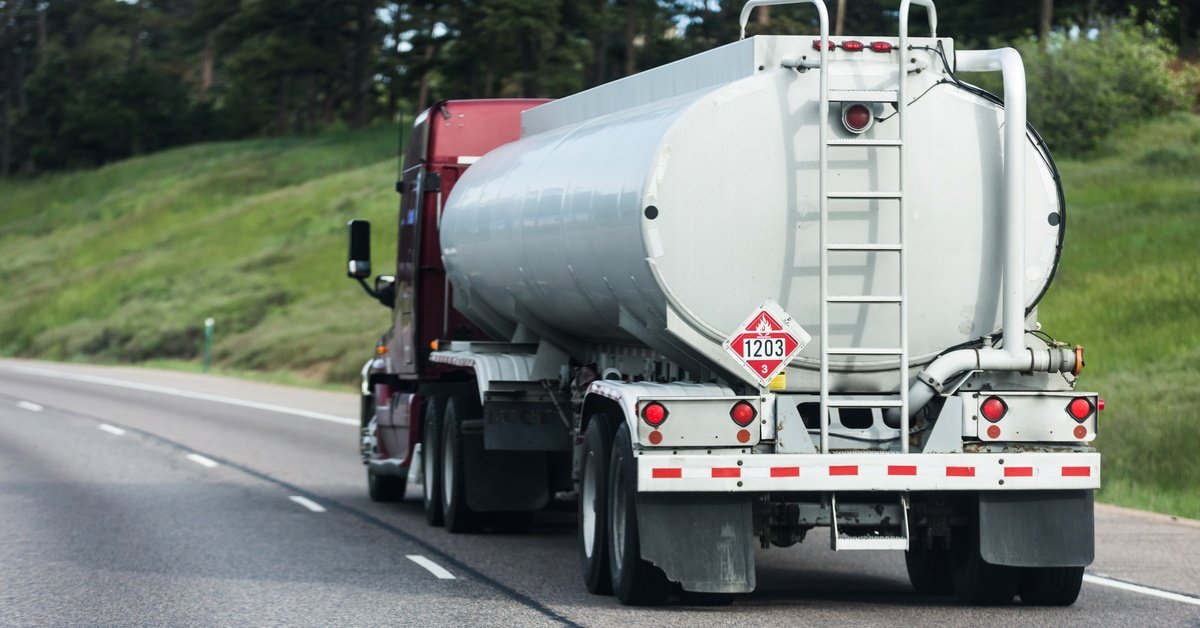
Understanding the key types of liquid transport tanks helps businesses choose the right solution for safe and efficient liquid handling. Different industries rely on specialized tank designs to move materials securely, maintain product integrity, and meet regulatory standards. From food-grade liquids to hazardous chemicals, each tank type offers unique features tailored to specific transportation needs. Knowing how these tanks function and what sets them apart allows companies to optimize operations and reduce risks.
Stainless Steel Tankers
Stainless steel tanks play a crucial role in industries that demand high levels of cleanliness and corrosion resistance. Manufacturers commonly use these tanks for food products, beverages, and pharmaceuticals because they prevent contamination and are easy to sanitize. Their durability also makes them suitable for handling certain chemicals. Smooth interiors and temperature control capabilities help preserve the quality of sensitive liquids during transit.
Aluminum Tankers
Aluminum tanks provide a lightweight alternative to stainless steel while still offering strong corrosion resistance. Their reduced weight allows for higher payload capacity, which makes them ideal for transporting fuel and other petroleum products. Aluminum also conducts heat efficiently, helping maintain consistent temperatures. These qualities make aluminum tanks a popular choice when efficiency and cost-effectiveness are priorities.
Carbon Steel Tankers
Carbon steel tanks offer strength and durability for heavy-duty applications. Industries often use them for transporting industrial chemicals, oils, and other non-corrosive liquids. These tanks can withstand high pressure and rough handling, making them suitable for demanding environments. Although they lack the corrosion resistance of stainless steel, protective coatings can extend their lifespan and improve performance.
Insulated and Heated Tanks
Certain liquids require strict temperature control during transport to maintain stability and usability. Insulated and heated tanks address this need by regulating internal conditions throughout the journey. Companies rely on these tanks for transporting liquid in bulk when dealing with temperature-sensitive materials such as asphalt, wax, or certain chemicals. Heating systems and insulation layers ensure the liquid remains in the desired state from loading to delivery.
Cryogenic Tanks
Cryogenic tanks specialize in transporting extremely cold liquids like liquid nitrogen or liquefied natural gas. These tanks use advanced insulation systems to maintain ultra-low temperatures and prevent evaporation. Their design includes reinforced structures and safety features to handle the unique challenges associated with cryogenic materials. Industries that depend on specialized gases rely heavily on these tanks for safe and efficient transport.
Intermediate Bulk Containers
Intermediate bulk containers (IBCs) offer a versatile and reusable option for liquid storage and transport on a smaller scale than full tanker trucks. These containers typically feature a rigid outer cage with a plastic inner vessel, allowing for easy handling, stacking, and storage. Businesses often use IBCs for chemicals, food ingredients, and other liquid products that require flexibility in shipping and distribution. Their standardized design improves efficiency in logistics while reducing waste compared to single-use containers.
Choosing the Right Tank for Your Needs
Understanding the key types of liquid transport tanks allows businesses to match the right equipment with their specific operational requirements. Each tank type serves a distinct purpose, from maintaining purity to controlling temperature or maximizing capacity. By selecting the appropriate tank design, companies can improve efficiency, ensure safety, and protect the integrity of the liquids they transport.