Product Labeling Techniques in the Food & Beverage Industry
Product labeling serves as the bridge between manufacturers and consumers, delivering essential information that influences purchasing decisions and guarantees safety. Food and beverage companies must navigate complex regulatory landscapes while creating labels that build trust and communicate value effectively. In this guide, we’ll discuss the product labeling techniques in the food and beverage industry and best practices for accurate and effective labeling.
Nutritional Information That Consumers Trust
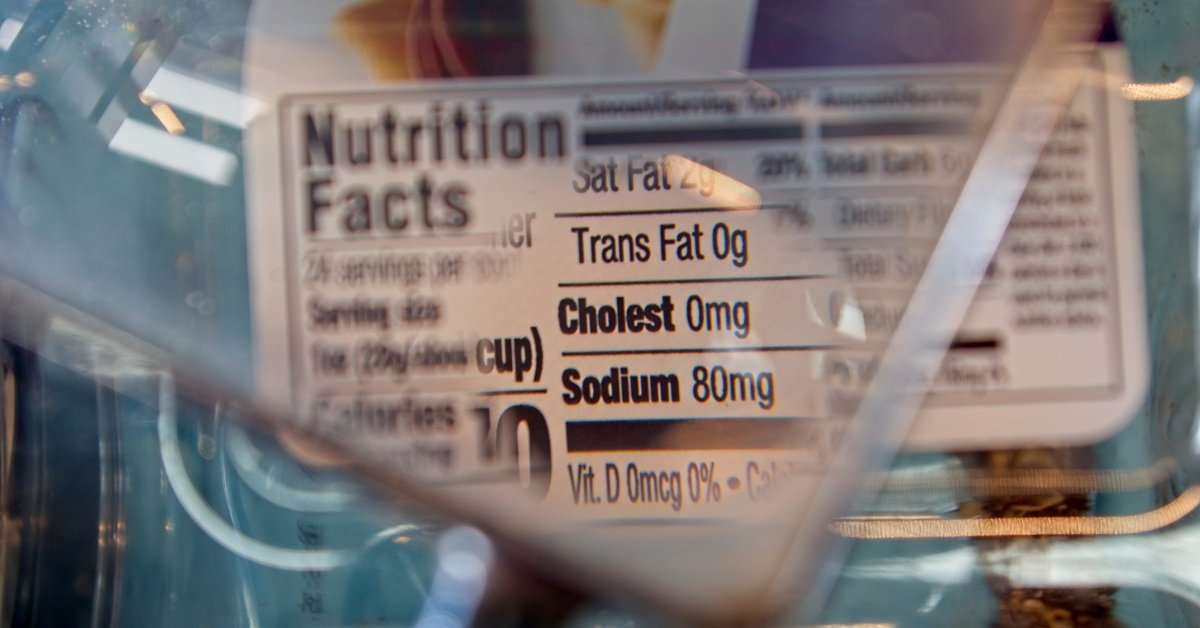
Nutritional panels provide consumers with the data they need to make informed choices about their health and dietary needs. The FDA requires manufacturers to display calories, macronutrients, vitamins, and minerals in a standard format. Companies achieve compliance by working with certified nutritional analysts who calculate values based on actual product formulations.
Smart manufacturers go beyond basic requirements by prominently highlighting beneficial nutrients. Organic food producers often emphasize fiber content, while beverage companies highlight antioxidant levels or reduced-sugar formulations.
Ingredient Lists That Build Confidence
Transparency in ingredient listing creates consumer trust and meets legal obligations. The FDA mandates that manufacturers list ingredients in descending order by weight, using common names that consumers recognize.
Companies succeed when they avoid technical jargon and use familiar terms. Instead of listing “sodium chloride,” successful brands simply state “salt.” This approach makes products more accessible to everyday consumers while maintaining regulatory compliance.
Allergen Warnings That Protect Lives
Allergen identification prevents serious health incidents and protects manufacturers from liability. The Food Allergen Labeling and Consumer Protection Act requires clear identification of the eight major allergens: milk, eggs, fish, shellfish, tree nuts, peanuts, wheat, and soybeans.
Leading manufacturers create allergen statements that appear separately from ingredient lists. This practice ensures visibility and helps consumers with food allergies quickly identify safe products. Many companies also include “may contain” warnings for potential cross-contamination.
Date Coding That Ensures Freshness
Effective date coding systems protect brand reputation while ensuring product quality. Manufacturers must choose between “best by,” “use by,” and “sell by” dates based on product characteristics and intended use. Laser marking benefits the food and beverage industry by providing permanent and legible markings for packaging products.
Best Practices for Accurate and Effective Labeling
Now that we understand product labeling techniques in the food and beverage industry, we can examine the best practices for accurate labeling. Food and beverage companies must design labeling for readability, implement quality control systems, and stay current with changing regulations.
Design for Readability and Compliance
Successful labels balance visual appeal with regulatory requirements. Font sizes must meet FDA minimums while maintaining design aesthetics that attract consumers. Color choices should enhance readability rather than create confusion about product attributes.
Implement Quality Control Systems
Robust quality control prevents labeling errors that can trigger recalls. Leading manufacturers establish multi-step approval processes that include legal review, nutritional verification, and final production checks. These systems catch discrepancies before products reach retail shelves.
Stay Current with Changing Regulations
Regulatory landscapes evolve continuously, requiring manufacturers to monitor updates and adjust practices accordingly. Companies that subscribe to FDA notifications and work with regulatory consultants maintain compliance more effectively than those who wait for enforcement actions.
Building Consumer Trust Through Transparency
Modern consumers demand transparency about what they consume. Effective labeling serves multiple stakeholders simultaneously. It protects consumers by providing accurate information, helps manufacturers comply with regulations, and enables retailers to market products confidently.