Africa Energy Week highlights need for African-led solutions to end energy poverty by 2030
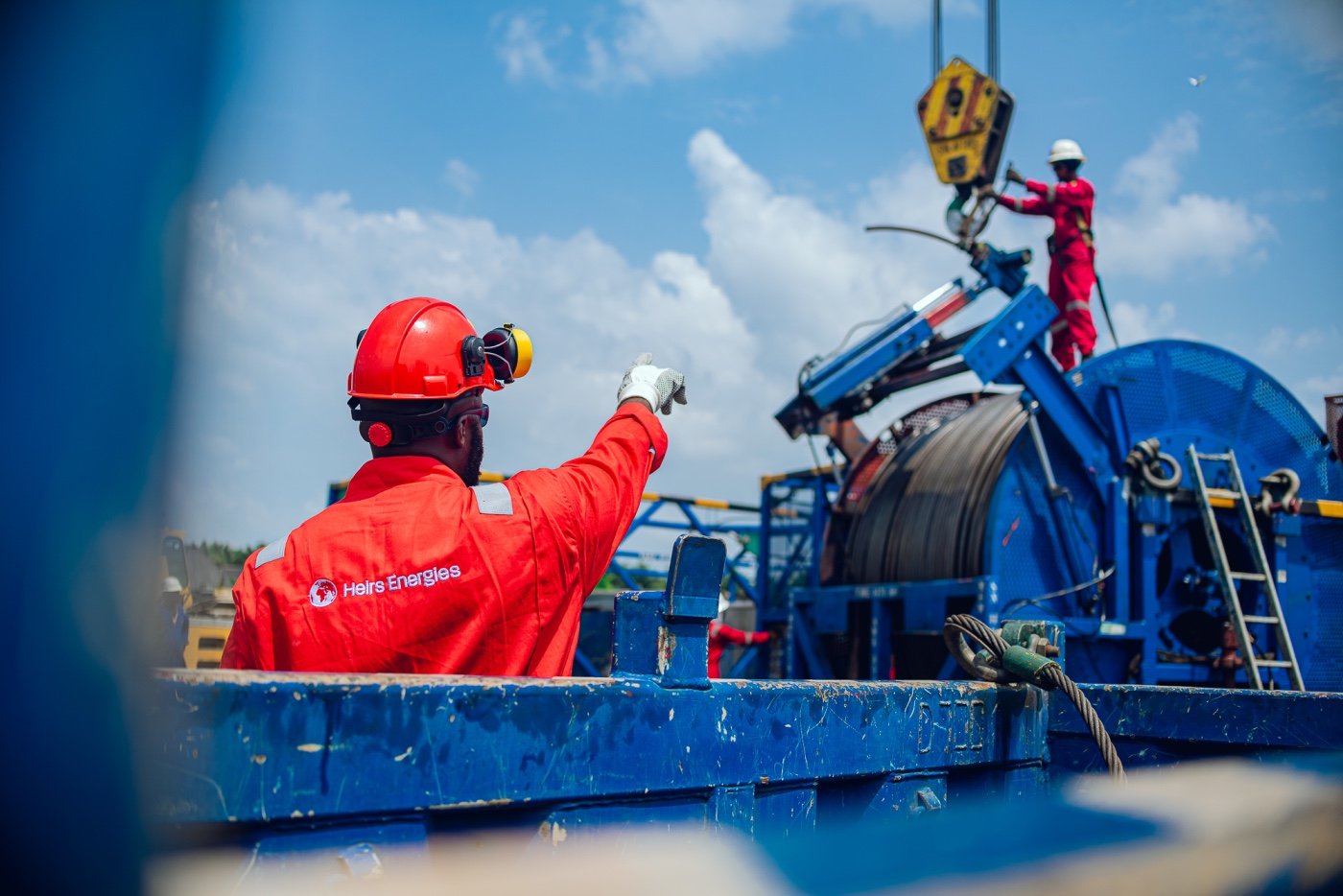
As Africa Energy Week wraps up in Cape Town, the central question emerges: Can Africa genuinely fulfil the promise of eradicating energy poverty by 2030? The answer lies not in foreign investment or external interventions, but in African responsibility for African challenges.
Currently, about 600 million Africans live without electricity. Nigeria alone has over 85 million citizens lacking reliable power, despite holding vast natural gas reserves capable of powering the region. This paradox of abundance and scarcity underscores a deeper crisis of purpose and execution within the continent’s energy sector.
The challenge is not whether Africa can bridge this energy gap, but whether Africans are ready to take ownership and act decisively.
Breaking free from dependency
For decades, Africa’s energy narrative has been shaped externally. Policies were drafted by consultants, timelines dictated by financiers, and agendas set by international institutions. This dependency has fostered a culture of blame, where external forces are held responsible for internal shortcomings.
Yet untapped reserves remain idle, gas continues to flare, and oil production has declined over the past two decades. The uncomfortable truth is clear: African solutions must be grounded in African realities. No one understands the complexities better, nor has more at stake. True progress begins when Africans take full responsibility for their energy future.
You May Also Like: Renaissance Africa Energy seeks partners to expand oil and gas development in Nigeria
Accountability and African-led transformation
Accountability is more than a slogan—it’s measurable. Nigeria’s OML 17 serves as a prime example. Under new management, production doubled in just 100 days with a 99.8% reconciliation factor. Every drop of oil reached the terminal, every molecule of gas powered the domestic market.
This model can be replicated in Congo, Angola, Gabon, and beyond. These results did not depend on foreign expertise or massive capital injections, but on rejecting inefficiency, applying local skills with purpose, and creating transparent systems. When Africans lead with accountability, transformation follows.
The ambitious goal of 2030
Eliminating energy poverty by 2030 is ambitious, requiring around $2 trillion in infrastructure investment. Current investment levels are far below this, and global capital is increasingly selective. Demonstrating governance, operational excellence, and community benefit will be essential to attract the needed funding.
Africa’s energy future must shift from extraction to sustainable development. This involves building local workforces, investing in training, developing indigenous expertise, adhering to global standards, and co-investing alongside foreign partners.
Energy poverty will not disappear simply with the arrival of 2030. It will end when Africans decide that living in darkness is no longer acceptable. The continent has the resources, technology, and talent—it now needs the courage to act.