Philippines GCC industry shifts to nano micro capability centers
The Philippine GCC industry is undergoing a major structural transformation as global enterprises shift away from large-scale outsourcing hubs and move toward smaller, more specialized nano and micro Global Capability Centers.
This transition reflects a broader change in how companies design global operations. Artificial intelligence and digital transformation are reducing reliance on routine tasks while increasing demand for higher-value, analytical, and strategic work across distributed teams.
The sector continues to show strong growth despite this shift. Market projections place the Philippine GCC industry at USD 35.12 billion in 2025, rising to USD 55.59 billion by 2030 as multinational companies expand and diversify global operations.
Government reforms such as the CREATE MORE Act are also strengthening investor confidence. These policies streamline taxation, improve compliance systems, and make the Philippines more competitive as a destination for global capability investments.
Shift to agile models
Global companies are restructuring their offshore operations by replacing large centralized hubs with smaller, more agile GCC units. These new structures are designed to handle specialized and high-impact responsibilities rather than routine operational tasks.
Nano and micro GCCs allow enterprises to build compact teams focused on innovation and decision-making. This shift reflects the growing need for flexibility in global business operations as technology continues to evolve.
Department of Finance Undersecretary Michael Alejandro said reforms are improving the country’s investment climate. He emphasized that stronger policy frameworks are helping foreign investors operate with greater predictability and efficiency.
Industry leaders noted that GCCs have moved beyond traditional outsourcing roles. They are now positioned as core components of enterprise digital transformation and global strategy execution.
AI-driven transformation
Artificial intelligence is accelerating the restructuring of global capability centers. Automation is reducing repetitive workloads while increasing demand for specialized technical and analytical expertise.
Experts said this shift is also changing how performance is measured. Companies are moving away from headcount-based metrics and focusing more on outcomes that directly contribute to business value and strategic impact.
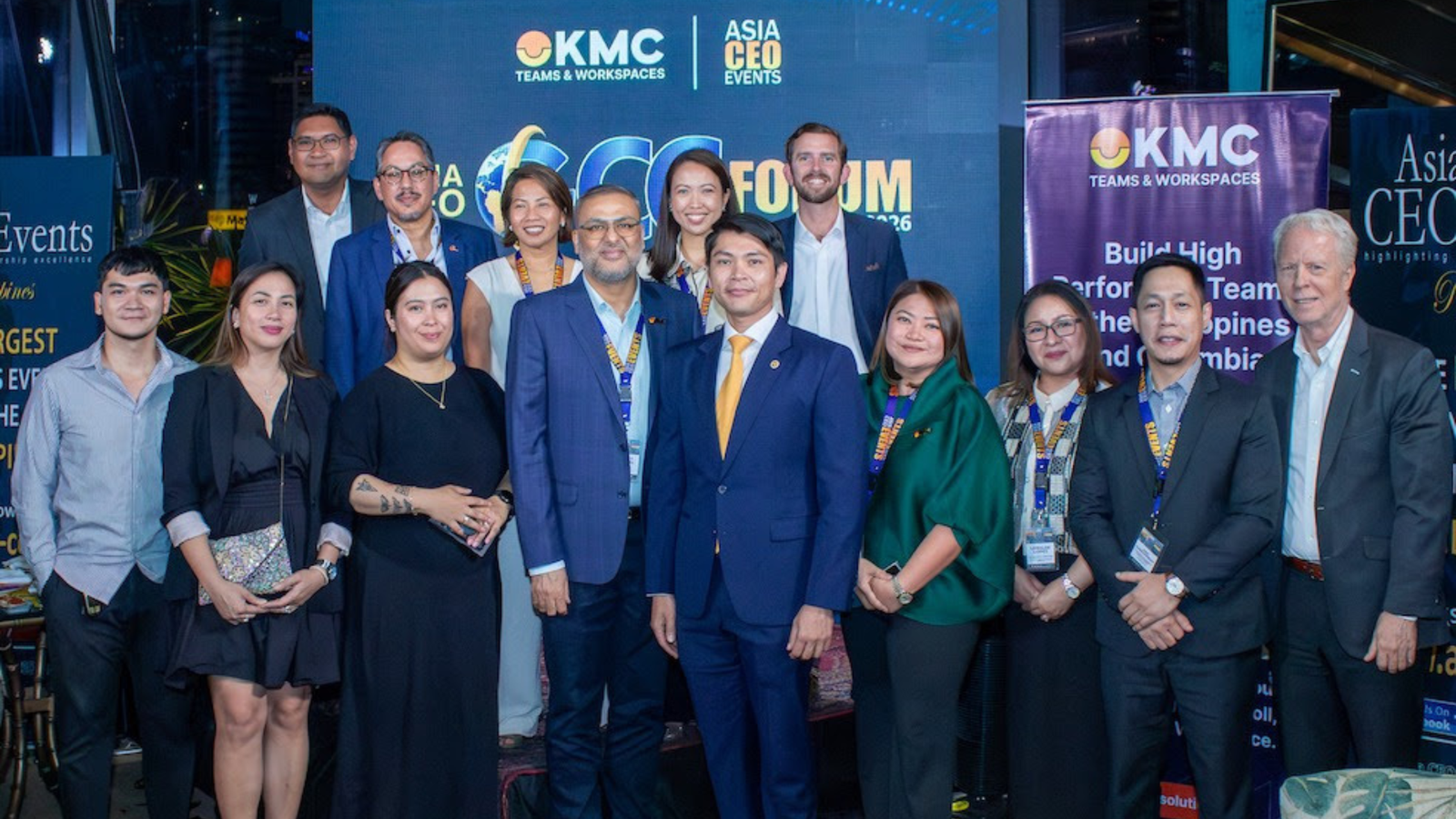
KMC Teams CEO Parikshat Nagpal said GCCs are no longer just operational units. He explained that they are now strategic assets that enable innovation and long-term enterprise growth.
Forum discussions also emphasized the importance of designing GCCs around complete workflows. This approach ensures that teams have full context and can deliver more meaningful contributions to global decision-making.
KMC Solutions COO Tracy Ignacio added that long-term success requires strong alignment across people, systems, and strategy. She stressed that sustainable performance depends on disciplined execution and investment in workforce capability.
As this transformation continues, Philippine GCCs are increasingly being repositioned as strategic partners. They are evolving from traditional outsourcing destinations into integral parts of global enterprise architecture.