BFP urges public to use 911 first as next-gen emergency system boosts disaster response
The Bureau of Fire Protection is urging Filipinos to prioritize calling 911 immediately during emergencies as the country’s upgraded next-generation emergency response system dramatically improves nationwide disaster, fire, and rescue operations.
Fire Superintendent Anthony Royo Arroyo, spokesperson and chief of the Public Information Service of the BFP, emphasized that the integration of cellular technology into the unified 911 network now makes every citizen with a mobile phone a crucial part of the country’s life-saving emergency infrastructure.
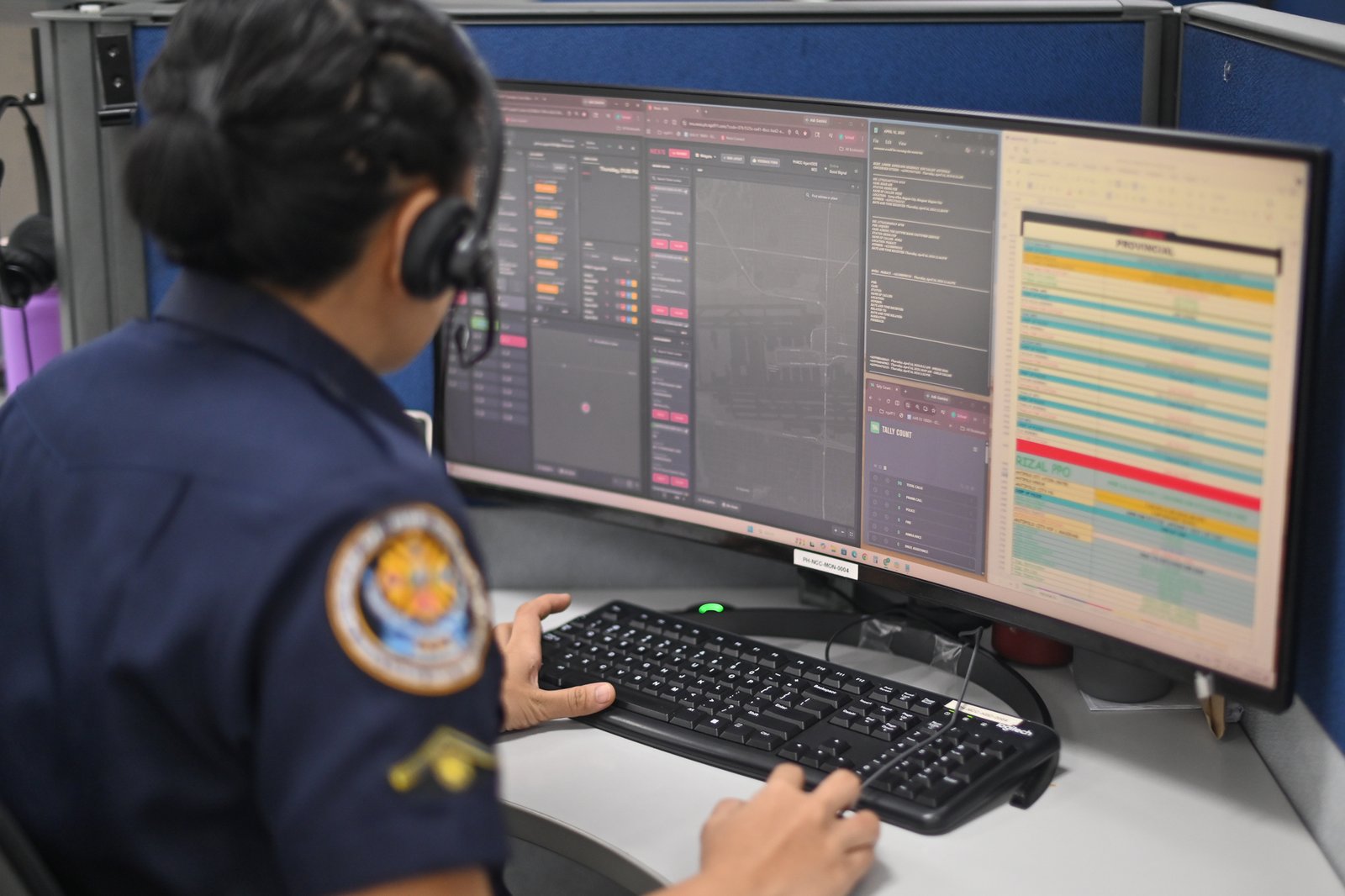
The launch of Next Generation Advanced technology last September shifted the country’s emergency communication system from traditional landline services into a more advanced digital and IP-based platform. This system enables not only voice calls but also text messaging, photos, and live video streaming, creating faster and more detailed emergency coordination.
New technology reshapes response
“Now the bureau doesn’t just fight fires anymore. We now provide technical rescues, respond to medical emergencies and hazardous material incidents (CBRN) reported through the Unified Emergency Hotline 911,” Arroyo said.
According to Arroyo, this technological leap allows responders to act more quickly and efficiently, often preventing small fires from escalating into large-scale disasters.
“People don’t have to memorize long, multiple numbers for local fire or police stations. In an emergency, they just dial 911,” he added.
Arroyo credited NGA 911 Philippines and PLDT’s communications infrastructure for significantly enhancing BFP’s ability to meet its five-minute response goal, which has already resulted in successful interventions nationwide.
“This is the impact of the technology provided by NGA 911 Philippines and the communication infrastructure provided by PLDT. Together with our trained personnel, they are the backbone of our 5-minute response goal that has already saved lives,” Arroyo said.
Faster coordination saves lives
He cited multiple real-world examples where the system proved vital, including medical emergencies, geotagged distress calls, amusement park rescues, and responses to earthquakes and typhoons.
“Last Christmas, we rescued 14 people trapped on a ride in an amusement park in Pasay City. The system also proved vital during a series of disasters, particularly the Davao earthquake and recent typhoons in Cebu and Cagayan,” he said.
To further maximize the system’s capabilities, BFP is rolling out more command centers, ambulances, fire stations, push-to-talk cellular radios, body-worn cameras, and advanced dispatcher medical training.
Recently, the bureau established the BFP Emergency Response and Communications Services unit to oversee E911 operations nationwide and ensure compliance with standards set by the Department of the Interior and Local Government.
Arroyo stressed that public cooperation remains essential, urging citizens to report emergencies first before sharing incidents online.