Why Basement Moisture Problems Keep Coming Back
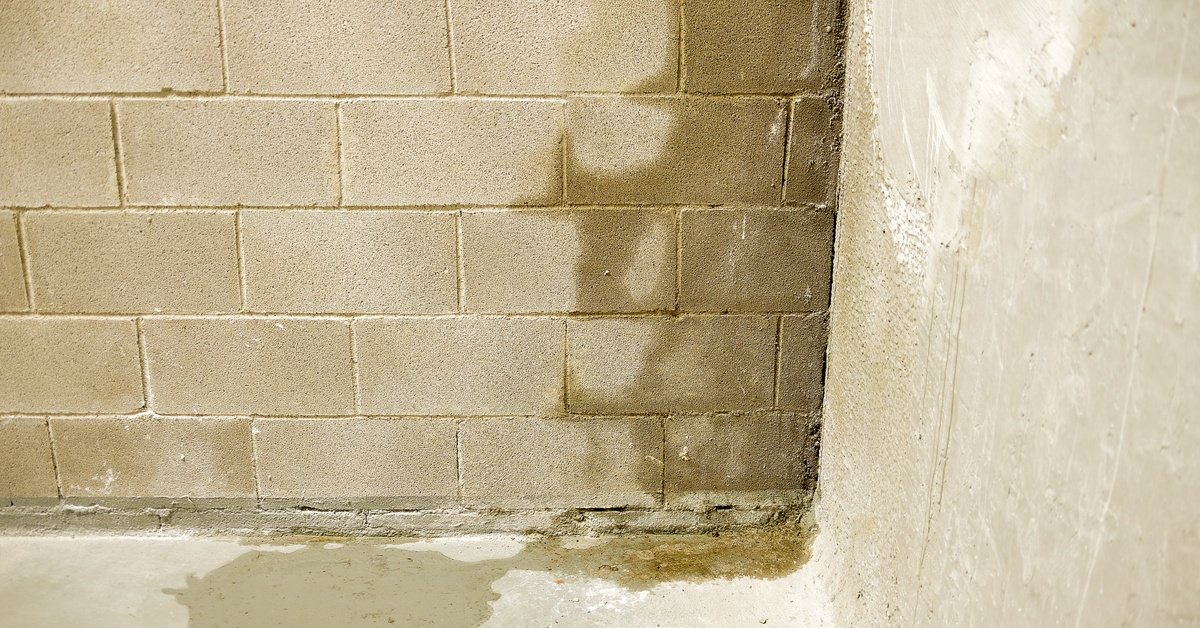
Dealing with basement moisture has a way of turning into an endless cycle. You clean it up, dry the space out, and assume the problem has passed, but the damp smell or water stains eventually return. That usually happens because you didn’t fix the core issue. If you keep having to ask yourself why basement moisture keeps coming back, the tips in the guide are just for you.
Surface Fixes Often Miss the Real Cause
Many homeowners treat basement moisture as a one-time cleanup issue rather than a water management problem. That approach usually leads to short-term relief, not lasting change. If the source stays active, the symptoms will return in no time.
A basement rarely gets damp for no reason. Water often enters because it has an easy path into the house. In many cases, the path starts outside, long before you notice moisture indoors.
Small Openings Let Moisture Return
A tiny crack may not look serious, but it can let in enough water vapor or seepage to keep the space damp. Gaps around windows, old sealant, or worn masonry often allow moisture to creep back in after every storm. If you only seal the most obvious spot, water may keep entering somewhere nearby.
This is why quick patch jobs often disappoint homeowners. The repair only covers one opening while the actual weak point remains untouched. This leads to basement moisture problems that keep coming back because the structure still allows water in.
Water Pressure Builds Around the Foundation
Rainwater doesn’t have to pour directly into your basement to create trouble. When soil around the foundation holds too much water, that moisture pushes against the walls and floor. Over time, even a well-built home can struggle under that pressure.
Poor grading worsens the problem by causing water to move toward the house rather than away from it. Overflowing gutters can also dump water near the foundation. Once that cycle starts, the basement remains vulnerable whenever the ground becomes saturated. That’s why you need to know how your landscaping choices impact your home’s drainage system.
Humidity Can Keep the Basement Damp
Not all basement moisture comes through the walls. In many homes, humid air settles in the basement and sticks around because the space stays cool and poorly ventilated. That air then creates condensation on pipes, concrete, and other surfaces.
This kind of moisture can fool people into thinking they have a major leak. In reality, the basement may need better airflow or steady humidity control. A dehumidifier can help, but it won’t solve the issue fully if outside water still feeds the problem.