How To Build a Print Shop Maintenance Calendar
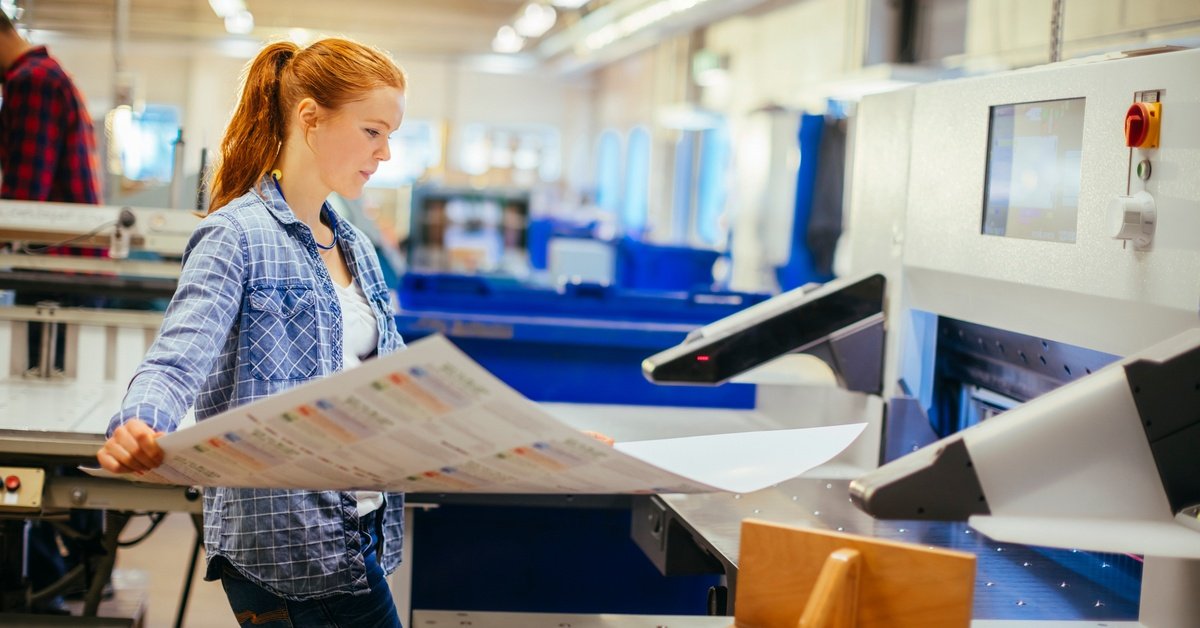
A busy print shop depends on steady output, clean equipment, and tight scheduling. When presses, cutters, and finishing machines all need attention at different times, it’s easy for maintenance to slip until something breaks and slows the whole workflow.
A print shop maintenance calendar helps you stay ahead of those problems. It gives your team a clear plan, keeps service tasks visible, and makes it easier to protect both equipment and production time.
Start With Your Equipment
Begin by listing every machine and tool that needs regular attention. That includes printers, laminators, cutters, binders, folders, compressors, and even smaller support equipment that keeps the shop moving.
Once you have the full list, note what each machine needs and how often it needs it. Some items need daily cleaning, while others need weekly inspections or monthly part checks. When you map those needs out, you can stop relying on memory alone.
Match Tasks to Real Time
A good calendar should fit the pace of your shop. If your team handles large jobs early in the week or during certain seasons, schedule maintenance around those patterns instead of forcing service into your busiest hours.
Daily tasks might include wiping surfaces, removing dust, and checking ink or toner areas. Weekly and monthly tasks can cover deeper cleaning, lubrication, alignment checks, and part inspections. This structure helps the calendar feel practical instead of overwhelming.
Build in Prevention
One of the biggest advantages of a maintenance calendar is that it shifts your team away from reactive repairs. The importance of preventive maintenance becomes obvious when a simple scheduled check catches wear before it turns into downtime, wasted materials, or missed deadlines.
That kind of planning also protects print quality. A machine that stays clean and properly adjusted produces more consistent results, which helps your staff work faster and keeps customers happy.
Assign Clear Ownership
A calendar works best when every task belongs to someone. If the whole team assumes another person will handle maintenance, jobs get skipped, and records stay incomplete.
Assign daily responsibilities to operators and reserve more technical checks for supervisors or service partners. When each person knows what to do and when to do it, the process becomes part of the workday instead of an extra chore nobody claims.
Track What Gets Done
Your calendar should do more than show dates. It should also give your team a place to record completed tasks, note small issues, and flag machines that may need follow-up.
Those notes can help you spot patterns over time. If one printer keeps needing the same adjustment or one cutter shows repeated wear, you can act earlier and plan smarter.
Keep It Flexible
A strong maintenance calendar gives your print shop structure without making the day harder. As equipment changes or production demands shift, you can adjust the schedule and keep it useful.
When you stay consistent, maintenance becomes part of the rhythm of the shop. That habit protects your equipment, supports better print quality, and helps your team stay ready for the next job.
Top of Form
Bottom of Form