Fragile Truce Pauses US-Iran Conflict as Deep Divisions Threaten Renewed Tensions
A temporary pause in hostilities between Washington and Tehran has brought a moment of calm to a region that had been on edge for weeks, but few expect the silence to last.
The United States and Iran agreed to a short-term ceasefire after prolonged fighting pushed both sides to the brink of further escalation. Israel signaled support for the arrangement, adding to the sense of cautious relief across the Middle East.
The deal materialized under intense pressure, with both governments facing rising costs from continued confrontation. Rather than signaling a breakthrough, the agreement reflects a tactical pause—an effort to prevent immediate escalation while leaving the core conflict untouched.
At the heart of the arrangement is the reopening of the Strait of Hormuz, a critical passage for global energy supplies. Ensuring safe navigation through the waterway became a central condition of the truce, highlighting its global economic significance.
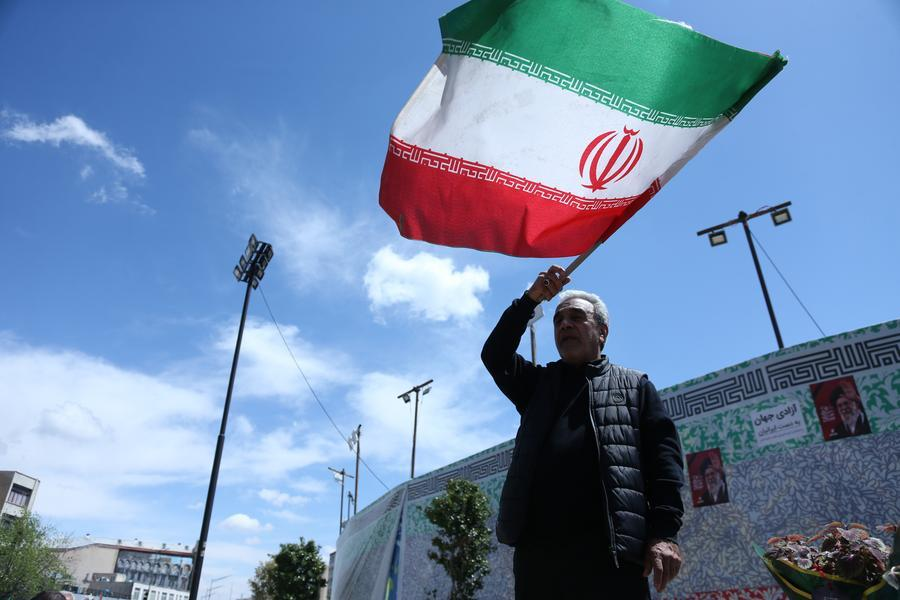
Diplomatic pressure forces a temporary pause
The path to the ceasefire was shaped by mounting threats and last-minute maneuvering. Washington pushed aggressively for concessions, warning of severe consequences if Tehran failed to comply within a tight timeframe.
As the deadline approached, fears of direct military action intensified. The eventual announcement of a mutual halt in hostilities came just as tensions were peaking, preventing what many believed could have been a dramatic escalation.
Each side quickly framed the outcome in its favor. U.S. officials pointed to security guarantees and control measures tied to Iran’s nuclear activities, while Iranian leaders emphasized sovereignty and their ability to dictate terms around key strategic areas.
Iranian officials also made clear that their restraint is conditional. Any renewed attack, they warned, would be met with an immediate and forceful response, underscoring how fragile the situation remains.
Longstanding disputes remain unresolved
Despite the temporary calm, the divide between the two sides runs deep. Plans for further talks are already clouded by open distrust, with both governments signaling limited confidence in the negotiation process.
Disagreements over Iran’s nuclear ambitions continue to dominate the agenda. Washington is pushing for stricter limitations, while Tehran insists on maintaining its rights, creating a standoff that has defined relations for years.
Control over strategic routes and regional influence also remains a sticking point. Competing visions for security and power in the Middle East have repeatedly undermined previous diplomatic efforts, and there is little indication that this dynamic has changed.
Analysts widely view the ceasefire as a containment measure rather than a solution. It reduces immediate risks but does not resolve the structural issues driving the conflict, leaving open the possibility of renewed tensions once the agreement expires.