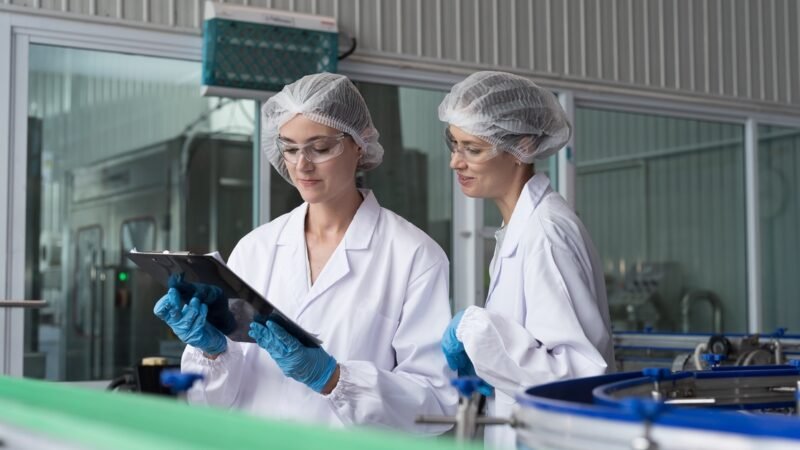
Essential PPE for Manufacturing and Production Employees
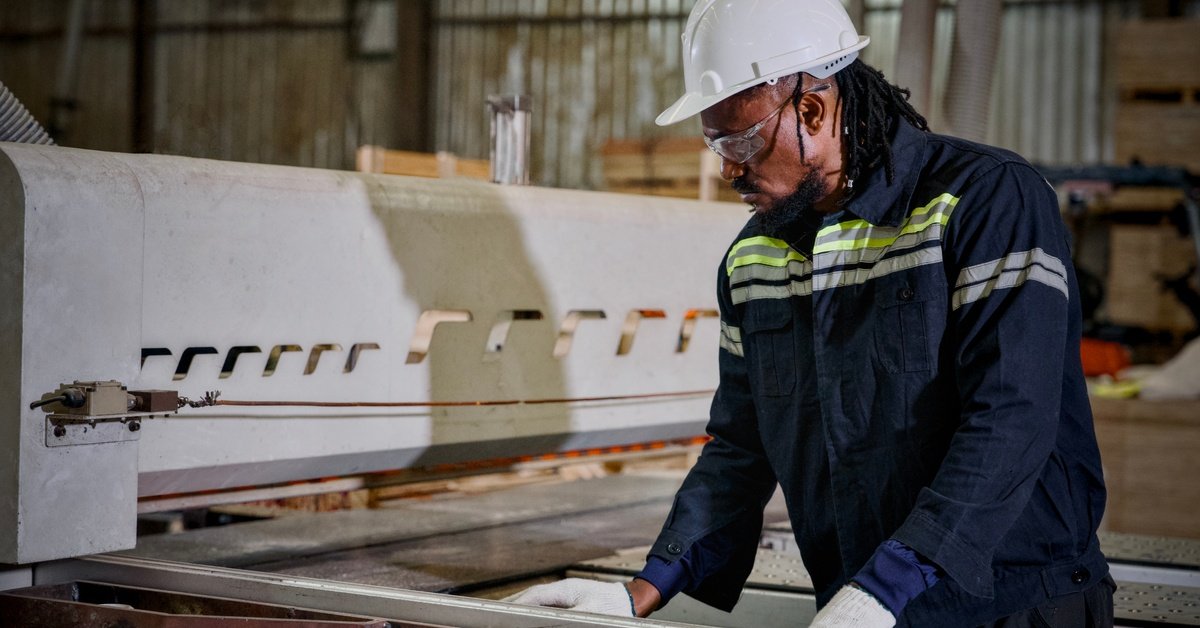
Manufacturing and production facilities are fast-paced environments where employees regularly work with machinery, tools, chemicals, and heavy materials. While these workplaces are essential to producing everyday goods, they also present occupational hazards that require appropriate safety precautions. From flying debris and excessive noise to sharp objects and chemical exposure, workers encounter risks that can lead to serious injuries without adequate protection.
Personal protective equipment (PPE) plays an important role in reducing these risks when hazards cannot be eliminated through other safety measures. Understanding essential PPE for manufacturing and production employees helps workers recognize potential dangers and the protective equipment needed to perform their responsibilities safely.
Safety Glasses and Protective Eyewear
Eye protection is essential in manufacturing environments where employees may encounter flying particles, dust, sparks, or chemical splashes. Activities such as grinding, drilling, cutting, and welding expose workers to materials that may cause temporary or permanent eye injuries.
Safety glasses are commonly used to protect against certain impact hazards, while goggles provide additional coverage against dust and chemical splashes. Face shields may also be necessary when handling hazardous liquids or performing tasks that generate significant debris. However, face shields generally serve as supplementary protection and should be worn with appropriate safety glasses or goggles. Employers should select protective eyewear based on the hazards associated with specific tasks, ensuring that employees receive suitable protection without restricting visibility or comfort.
Protective Gloves for Hand Safety
Hands are particularly vulnerable in manufacturing facilities because employees frequently handle tools, metal components, machinery, and packaging materials. Without suitable protection, these activities can result in cuts, abrasions, burns, and exposure to hazardous substances.
Different tasks require different glove materials and protective features. Cut-resistant gloves are appropriate when handling sharp metal components, while chemical-resistant gloves are necessary when working with substances that could irritate or damage the skin. Employees performing detailed assembly work often require lightweight, flexible gloves that provide adequate grip without limiting finger movement. Selecting the best types of gloves for assembly work involves evaluating material durability, dexterity, grip, and the specific hazards associated with handling small components.
Proper fit is equally important because loose gloves can interfere with precision tasks and create entanglement hazards around rotating machinery. Workers should follow equipment-specific safety procedures and avoid wearing gloves where they could become caught in moving parts.
Safety Footwear for Industrial Environments
Manufacturing employees often spend extended periods standing, walking, or working near heavy equipment. Appropriate safety footwear protects against falling objects, compression injuries, sharp materials, and slippery surfaces.
Protective footwear commonly includes reinforced toe caps, slip-resistant soles, and puncture-resistant midsoles. Certain workplaces may also require footwear designed for specific electrical hazards or exposure to extreme temperatures.
The appropriate footwear depends on the working environment and the risks employees encounter. For example, warehouse personnel handling heavy materials may require different protective features from employees operating electrical equipment. Properly fitted footwear also improves comfort during long shifts while maintaining necessary protection.
Hearing Protection in Noisy Workplaces
Industrial machinery, compressors, production lines, and metalworking equipment generate substantial noise. Prolonged exposure to excessive sound levels can contribute to permanent hearing loss, particularly when employees work in noisy environments without adequate protection.
Earplugs and earmuffs are commonly used to reduce noise exposure. Earplugs fit inside the ear canal and are convenient during extended work periods, while earmuffs cover the ears and may be easier to remove when moving between areas with different noise levels.
The appropriate hearing protection should be determined through workplace noise assessments, considering exposure levels, equipment fit, and the amount of sound reduction required. Employers should also prioritize noise reduction through machinery maintenance, engineering controls, and effective hearing conservation practices.
Respiratory Protection Against Airborne Hazards
Manufacturing processes such as welding, sanding, painting, and chemical handling can release airborne contaminants that may affect respiratory health. Depending on the activity, employees might encounter dust, fumes, mists, gases, or chemical vapors.
Respiratory protection must be selected according to the contaminants present and the level of exposure. Particulate respirators filter certain airborne particles, while appropriately selected cartridge respirators provide protection against specific gases or vapors. More hazardous environments require specialized respiratory equipment.
When respirators are required, employees should receive appropriate training, and employers should implement respiratory protection procedures that include medical evaluations and fit testing for tight-fitting respirators. Adequate ventilation and other engineering controls remain essential for minimizing airborne hazards.
Hard Hats and Head Protection
Employees working near overhead equipment, suspended loads, or areas where objects could fall require protective helmets. Hard hats reduce the severity of certain head injuries caused by falling or striking objects, while specialized designs offer additional protection against electrical hazards.
Head protection should be appropriate for the working environment and inspected regularly for cracks, damaged suspension systems, or other signs of deterioration. Employees should replace damaged equipment according to manufacturer recommendations and applicable workplace safety requirements.
High-Visibility Clothing
Visibility is particularly important in production facilities where forklifts, delivery vehicles, and other mobile equipment operate near pedestrians. High-visibility clothing helps employees remain noticeable in busy environments, especially where lighting conditions or surrounding machinery make workers difficult to distinguish.
Reflective vests, fluorescent jackets, and garments with retroreflective materials are common options. The appropriate clothing depends on workplace lighting, vehicle traffic, and the surrounding environment.
Although high-visibility clothing improves worker visibility, it should complement designated pedestrian pathways, traffic management procedures, and proper equipment operation rather than replace these safety measures.
Protective Clothing and Body Protection
Some manufacturing activities expose employees to heat, sparks, chemicals, and other hazards that ordinary work clothing cannot adequately withstand. Specialized protective garments, including flame-resistant clothing, chemical-resistant aprons, welding jackets, and protective coveralls, reduce exposure to these risks.
The protective clothing required depends on the substances, equipment, and processes involved. Welding employees need garments designed to resist sparks and hot metal particles, while chemical processing workers require clothing made from materials compatible with the chemicals being handled. Protective garments should fit properly, remain in good condition, and avoid loose features that could become entangled in moving machinery.
Choosing and Maintaining Appropriate PPE
Selecting essential PPE for manufacturing and production employees requires careful consideration of present workplace hazards. Employers should conduct hazard assessments, identify appropriate protective measures, and ensure that PPE meets applicable safety requirements.
Regular inspections, cleaning, proper storage, and timely replacement help maintain equipment effectiveness. Employees should also understand how to wear protective equipment correctly, recognize signs of damage, and report safety concerns. Because occupational safety requirements vary internationally, facilities should follow relevant local regulations and recognized industry standards.
Building a Safer Manufacturing Workplace
Personal protective equipment remains an important component of manufacturing safety, but its effectiveness depends on proper selection, consistent use, and ongoing maintenance. Protective gloves, safety eyewear, footwear, hearing protection, respiratory equipment, and specialized clothing each address different workplace hazards.
When suitable PPE is combined with employee training, effective hazard controls, and well-maintained machinery, manufacturing facilities reduce preventable injuries and create safer working environments. A consistent commitment to workplace safety helps protect employees while supporting reliable and efficient production operations.