Understanding the Importance of Dynamic Balancing
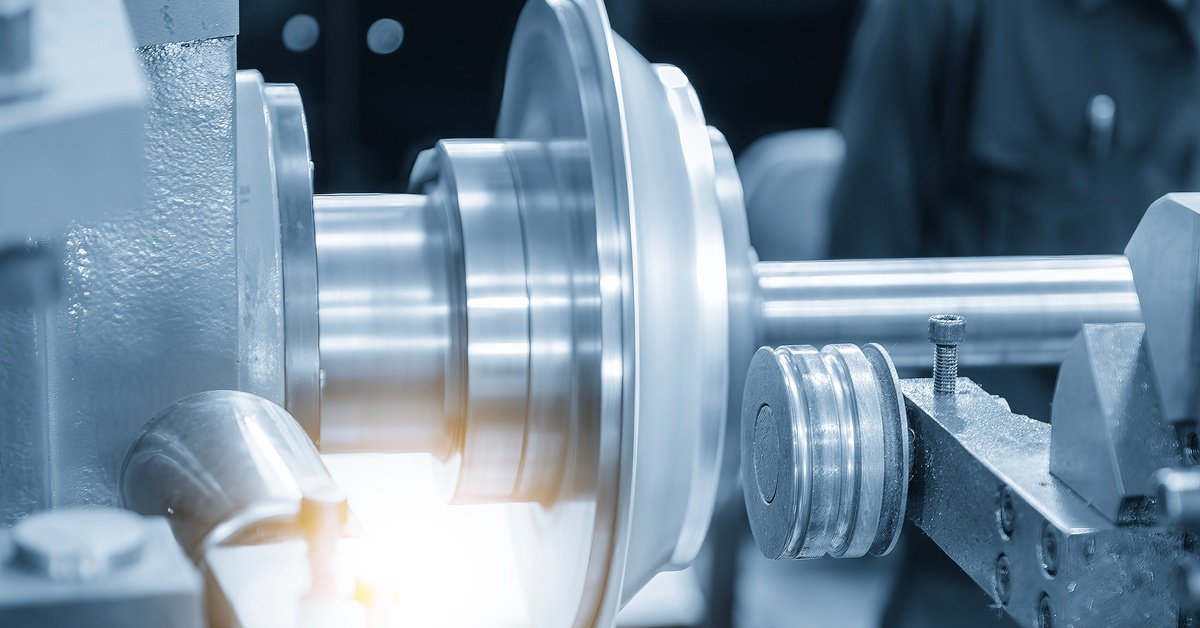
Understanding the importance of dynamic balancing helps manufacturers protect rotating equipment and maintain reliable operations. Uneven weight distribution can cause excessive vibration, increasing mechanical stress and accelerating component wear. Dynamic balancing corrects these imbalances to improve stability and reduce the risk of unexpected breakdowns. By recognizing when equipment needs attention, facility managers can extend machinery life and minimize costly production interruptions.
What Dynamic Balancing Means
Dynamic balancing corrects uneven weight distribution in rotating components by measuring the forces they produce during motion. Technicians examine how mass spreads around the rotational axis and identify locations that create unwanted vibration. They then adjust the component by removing material or adding carefully measured correction weights.
Unlike static balancing, which evaluates whether an object remains balanced at rest, dynamic balancing considers forces that appear during rotation. A rotor may appear balanced when stationary yet generate significant vibration once operating. This distinction matters for components that have considerable length or operate at high speeds. Dynamic balancing helps technicians correct imbalances across different planes rather than addressing only one location.
Why Rotating Equipment Develops Imbalance
Manufacturing tolerances can leave slight variations in component mass, even when parts meet design requirements. Normal wear also changes weight distribution over time. Material buildup on fan blades or other rotating surfaces can gradually shift the center of mass away from the intended axis.
Equipment repairs sometimes introduce additional differences. Replacing individual components without checking the complete rotating assembly may create an uneven distribution of weight. Corrosion and physical damage can produce similar problems. Understanding these causes helps maintenance teams recognize why a previously smooth machine might begin vibrating unexpectedly after extended service.
How Dynamic Balancing Protects Machinery
An unbalanced rotor produces repeated forces as it spins. Those forces travel through bearings and supporting structures, increasing mechanical stress during normal operation. Continued exposure can accelerate component wear and shorten the useful life of expensive equipment.
Proper balancing reduces these unnecessary loads and allows rotating assemblies to operate more smoothly. Bearings experience less strain, while connected components face fewer vibration related disturbances. Maintenance teams can then focus on planned service rather than responding repeatedly to problems caused by excessive movement. Balancing cannot correct every mechanical fault, but it removes an important source of avoidable stress.
Improving Operational Efficiency
Rotating machinery performs best when its components move predictably. Excessive vibration can waste energy through unwanted movement and create conditions that interfere with efficient operation. Correcting imbalance helps equipment maintain stable rotation under its intended working conditions.
A balanced industrial fan, for example, may run more smoothly and place less stress on its drive system. Pumps and similar equipment can also benefit from reduced vibration. However, balancing alone does not guarantee lower energy consumption, since operating conditions and mechanical design also influence efficiency. Its primary contribution involves reducing forces that interfere with reliable machine performance.
Recognizing When Equipment Needs Attention
Maintenance personnel should monitor changes in vibration rather than waiting for equipment to fail. Increasing noise or unusual movement may indicate an imbalance, particularly when the symptoms become more noticeable at higher operating speeds. These changes deserve prompt investigation because other mechanical problems can produce similar warning signs.
Some signs your equipment may need dynamic balancing include recurring bearing problems and vibration that persists after routine maintenance. Technicians should evaluate operating conditions before selecting a corrective procedure. Misalignment or looseness can resemble imbalance, so accurate diagnosis prevents unnecessary adjustments and helps teams address the actual source of trouble.
What Happens During the Balancing Process
Technicians begin by inspecting the rotating assembly and confirming that it can operate safely during testing. They use specialized equipment to measure vibration magnitude and phase, which help identify where corrective changes should occur. Depending on the component, technicians may perform balancing on a dedicated machine or directly within installed equipment.
After collecting measurements, technicians calculate the required correction and adjust the rotor accordingly. They repeat measurements to verify the result and determine whether additional corrections are necessary. The process requires careful attention to operating speed and the component’s design. Qualified personnel also follow appropriate safety procedures because rotating machinery can create serious hazards during testing.
The Difference Between Shop and Field Balancing
Shop balancing takes place before installation or after technicians remove a component from its machine. Dedicated balancing equipment provides a controlled environment for evaluating rotors. This approach works well during manufacturing and major rebuilds, especially when teams need access to the entire assembly.
Field balancing occurs while the rotor remains in its operating location. Technicians measure its response within the installed system and apply corrections when conditions allow. This method can reduce disassembly requirements, although access restrictions and safety considerations may limit its suitability. Choosing the appropriate approach depends on equipment design and the nature of the vibration problem.
Supporting a Preventive Maintenance Program
Dynamic balancing offers the greatest value when facilities integrate it into a broader maintenance strategy. Regular vibration monitoring establishes a baseline for normal machine behavior and helps personnel recognize meaningful changes. Teams can schedule inspections when readings begin moving beyond acceptable operating limits.
Maintenance records also reveal whether particular machines develop recurring imbalance problems. If technicians repeatedly correct the same rotor, they should investigate underlying causes such as buildup or component deterioration. Addressing those conditions can prevent the imbalance from returning quickly. A thoughtful maintenance program combines balancing with inspections and appropriate repairs rather than treating every vibration issue as identical.
Choosing the Right Balancing Service
Experienced balancing specialists understand that different rotating assemblies require different procedures. Before selecting a provider, facility managers should discuss equipment dimensions and expected operating speeds. They should also ask how technicians verify corrections and document the final results.
A qualified provider will assess whether balancing addresses the symptoms or whether another mechanical issue needs attention first. Clear communication helps facilities plan downtime and understand the recommended work. The right service approach should prioritize safe testing and measurable improvements rather than promising that balancing will resolve every performance concern.
Maintaining Reliable Performance Over Time
Understanding the importance of dynamic balancing helps maintenance teams reduce vibration and protect rotating equipment from unnecessary wear. By correcting uneven weight distribution, technicians improve machinery performance and minimize unexpected breakdowns. Regular monitoring and timely balancing help facilities extend equipment life while maintaining reliable operations.