Building a Tranquil Garden for Your Virginia Home
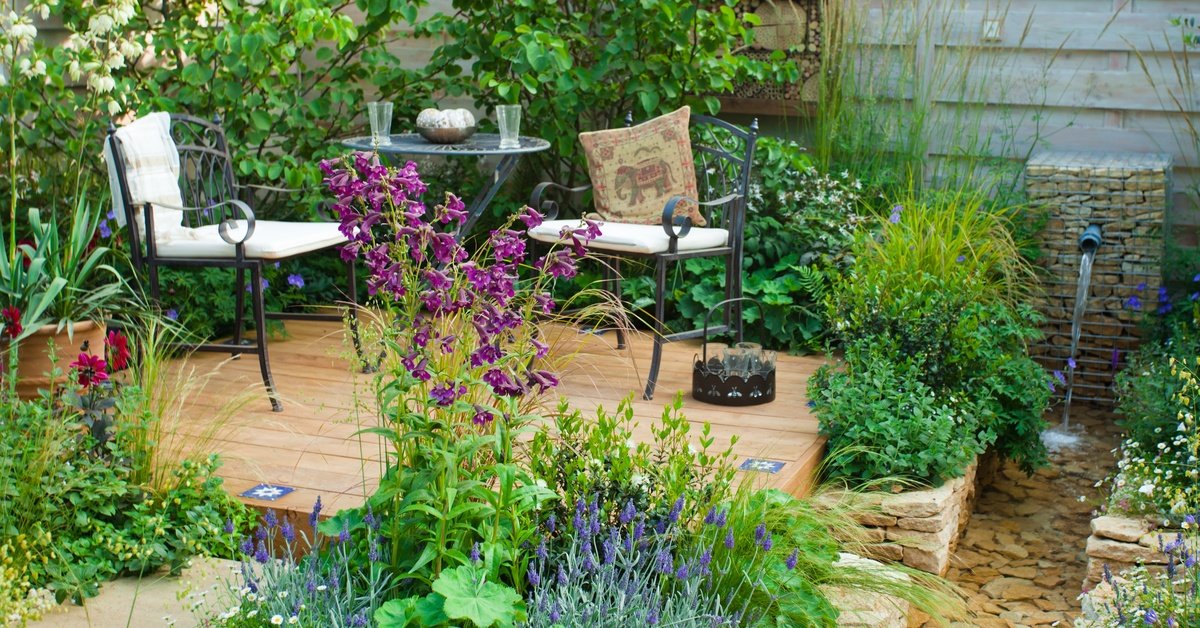
After a long day, the backyard can feel like one more thing demanding attention. Weeds crowd the flower beds, and the patio doesn’t invite you to stay. But imagine stepping outside and hearing leaves rustle while you settle into a comfortable chair. Suddenly, home feels a little quieter.
A tranquil garden doesn’t require acres of land or an elaborate renovation. It starts with thoughtful choices that transform an ordinary outdoor space into a place you genuinely want to spend time. Virginia’s changing seasons offer plenty of inspiration, from spring blossoms to colorful autumn leaves. Continue reading to explore tips for building a tranquil garden for your Virginia home.
Find Your Quiet Corner
Before buying plants, spend a few afternoons noticing how your yard feels. Where does the morning sun fall? Which corner catches a pleasant breeze, and where does traffic noise become distracting?
Choose the area that already feels most comfortable. A shady spot near the house might work for afternoon reading, while a sunny corner could suit morning coffee.
You don’t have to redesign the entire property. Starting with one peaceful destination makes the project easier to manage and gives the rest of the garden a natural direction.
Work With Virginia’s Climate
Virginia gardens face different conditions depending on the location. A yard in Roanoke may experience cooler mountain influences, while a Richmond garden often deals with hot summer afternoons.
Look at your soil and note how quickly water drains after rainfall. Pay attention to how much sunlight each planting area receives throughout the day.
Match plants to those conditions instead of forcing a favorite flower into the wrong location. Healthy plants need less rescue work, which leaves more time to enjoy the view.
Bring in Native Beauty
Native plants can give your retreat a natural connection to the surrounding landscape. Eastern redbud offers delicate spring blooms, and Virginia sweetspire adds white flowers and rich fall color.
In a shaded bed, foamflower offers low-growing foliage and charming spring flowers. Check each plant’s regional suitability and moisture preferences before bringing it home.
Choose a few varieties and repeat them throughout the garden rather than buying one of everything. Repetition creates a gentle rhythm that feels calmer than a crowded collection of competing colors.
Create Gentle Privacy
A quiet garden feels more relaxing when you can unwind without watching every neighbor’s every move. Plant shrubs near a seating area to soften the view of nearby fences or windows.
Consider how tall each shrub will grow before choosing a planting location. A plant that looks small at the nursery may eventually block a walkway or overwhelm a patio.
For immediate screening, a simple trellis can create definition while new plants mature. Keep airflow and maintenance access in mind so the private corner stays comfortable.
Make the Walk Inviting
The journey into a peaceful garden can feel just as pleasant as the destination. A gently curving route encourages a slower pace and offers small discoveries along the way.
To choose the right pathway, consider how often you’ll use it and whether rain makes the ground slippery. Firm pavers may suit a frequently traveled route, while compacted gravel can complement a more informal garden if the surface supports your needs.
Allow enough width to walk comfortably without brushing against wet foliage. Keep the route stable and clear, especially near steps or changes in elevation.
Give Yourself a Place To Rest
Even a beautiful garden can feel unfinished without somewhere to sit. Choose a bench or weather-resistant chair that lets you enjoy your favorite view.
Position seating where the sun won’t become uncomfortable during your usual relaxation hours. A little shade from an established tree can make a summer afternoon much more pleasant.
Think about convenience, too. If you love reading outdoors, leave space for a small side table. A comfortable destination encourages you to use the garden rather than simply admire it from a window.
Let Water Set the Mood
The gentle sound of water can add a soothing layer to an outdoor retreat. A compact recirculating fountain may fit a patio, while a larger garden can accommodate a thoughtfully planned water feature.
Place the fountain close enough to hear from your seat without letting the sound dominate conversation. Use an appropriate outdoor electrical setup and follow the manufacturer’s maintenance instructions.
Keep water features safe around children and pets. Clean the basin regularly and avoid standing water that encourages mosquitoes.
Choose Color With Care
A peaceful space doesn’t need to look dull. Soft greens can form the foundation, while pale purple or white blooms bring seasonal interest.
Limit the number of dominant colors instead of mixing every shade available at the garden center. A restrained palette makes the garden feel connected even when different flowers bloom at different times.
Consider foliage as carefully as petals. Varied leaf shapes and subtle shades of green keep the beds attractive after the spring flowers fade.
Plan for Rainy Days
Virginia’s heavy downpours can create muddy patches that interrupt a relaxing stroll. Watch where runoff travels during a storm and notice whether water collects near the patio.
Direct drainage problems away from the house using appropriate grading and professional help when necessary. A properly planned rain garden may help manage runoff in a suitable part of the yard, but it needs adequate drainage and a safe distance from the foundation.
Addressing wet spots early protects plants and keeps paths easier to use after the clouds clear.
Add Evening Comfort
A tranquil garden shouldn’t close the moment the sun sets. Soft, downward-facing lighting can guide visitors along a path without flooding the yard with brightness.
Highlight one favorite tree or the edge of a seating area rather than illuminating every flower bed. Choose outdoor-rated fixtures that match the installation.
Keep lights away from bedroom windows and avoid unnecessary glare. Gentle illumination makes a short evening visit feel inviting while allowing the garden to retain its nighttime character.
Leave Room for Wildlife
Birdsong can make a quiet morning feel special. Native flowering plants offer seasonal resources for pollinators, while appropriate shrubs can provide cover for visiting birds.
Place a birdbath where you can enjoy the activity from a chair. Refresh the water frequently and clean the bath to keep it inviting.
Avoid relying on chemical treatments for every insect you notice. Learn which visitors belong in a healthy garden and use targeted care when a genuine plant problem appears.
Keep Maintenance Manageable
A garden can’t feel restful if every visit reveals another overwhelming chore. Start with plant groupings that match the yard’s conditions, then add mulch to help moderate soil moisture and discourage weeds.
Leave room between plants for their mature size. Schedule simple tasks throughout the year rather than attempting a major cleanup every weekend.
A manageable routine keeps the retreat welcoming through Virginia’s changing seasons.
Make Peace Part of the Backyard
Building a tranquil garden for your Virginia home begins with creating a space that fits your everyday life. A comfortable seat and thoughtful plant choices can transform even a modest yard into a personal escape.
Start with the corner that already makes you smile. Add one improvement at a time and let the garden grow into its own character. Soon, stepping outside may become your favorite part of coming home.