How To Prepare Your Outdoor Living Space for Winter
Outdoor areas take considerable punishment once temperatures fall. Cold weather, freezing water, strong winds, snow, and repeated freeze-thaw cycles affect everything from patio furniture to plumbing and swimming pool equipment.
Preparing an outdoor living space for winter is generally easier than responding to damage afterward. It also gives homeowners an opportunity to identify small maintenance problems while conditions are still comfortable enough to work outside.
Clean and Inspect the Patio
Start with the surfaces that form the foundation of the outdoor area. Sweep away leaves, soil, twigs, and other debris from the patio, deck, stairs, and walkways.
While cleaning, look for cracks, loose boards, damaged pavers, deteriorating grout, and other signs of wear. Minor problems can become more troublesome when water enters damaged areas and subsequently freezes.
Wooden decks may also need cleaning or sealing depending on their condition and the maintenance schedule recommended for the material. Likewise, homeowners should check railings and stairs for movement or deterioration before slippery winter conditions make these areas more hazardous.
Protect Outdoor Furniture
Patio furniture is designed for outdoor use, but that does not mean every material should remain completely exposed throughout winter. Clean furniture before storing or covering it since dirt and organic debris left on surfaces for months can contribute to staining and make spring cleaning difficult. Allow everything to dry thoroughly before putting it away.
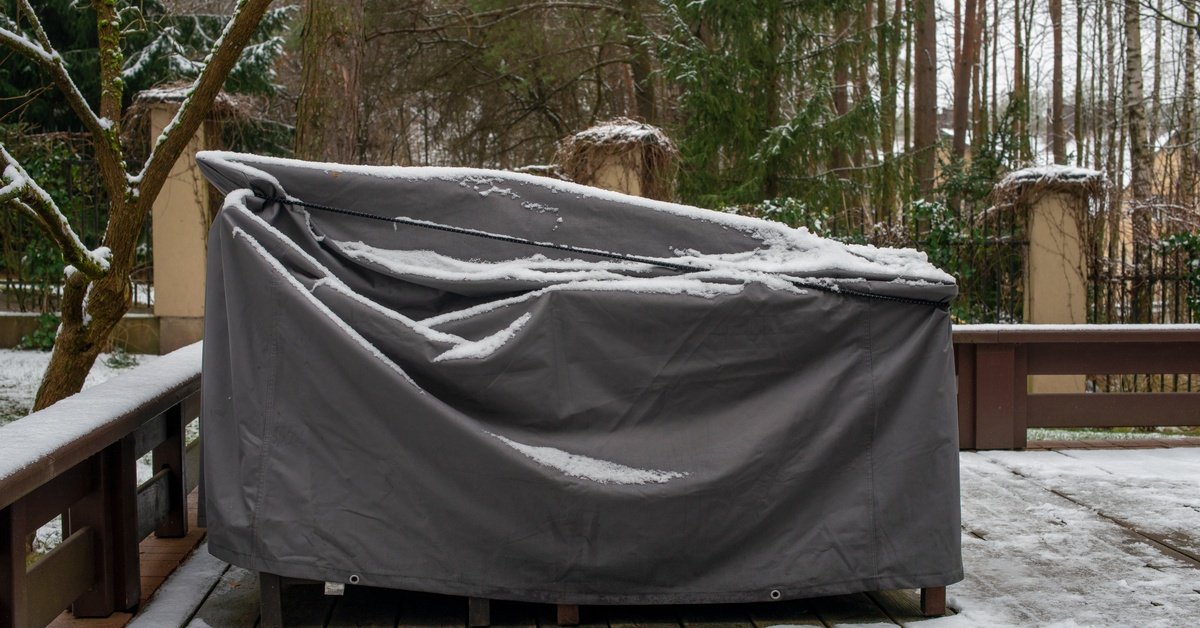
If indoor storage is available, move vulnerable furniture into a garage, shed, or other dry location. Pieces that must remain outside can be protected with properly fitted, weather-resistant covers. Cushions, pillows, umbrellas, and other fabric accessories are generally better stored somewhere clean and dry.
Avoid simply throwing a loose tarp over an entire furniture set. A cover should be secured well enough to withstand wind while allowing appropriate ventilation for the materials underneath.
Prepare the Swimming Pool Before Freezing Weather
Swimming pools require particular attention because freezing water creates problems in plumbing and mechanical equipment. Water expands as it freezes, which places pressure on pipes and components containing trapped water. For that reason, pool preparation should take place before freezing temperatures become an immediate concern.
Winter pool care varies considerably according to climate and pool design. In some areas, pools are fully closed for the season. In milder climates, owners may continue operating and maintaining them while taking precautions against occasional freezes. Homeowners should understand how early pool winterizing helps protect equipment when deciding when to inspect pumps, filters, heaters, plumbing, and water conditions.
Whatever approach is appropriate locally, do not assume that cooler weather eliminates routine pool maintenance. Debris, water chemistry, circulation, leaks, and equipment condition may still require attention throughout the season.
Drain and Protect Outdoor Water Systems
Garden hoses and outdoor water systems are easy to overlook after the growing season ends. Disconnect hoses from outdoor faucets, drain them completely, and store them somewhere protected. Leaving a hose attached can trap water where it is not wanted during freezing conditions.
Irrigation systems may require additional seasonal preparation; the appropriate method depends on the system, local climate, and manufacturer recommendations. If a system needs to be drained or professionally winterized, arrange the work before the first significant freeze.
Outdoor kitchens deserve similar attention. Check sinks, supply lines, refrigerators, ice makers, and other water-connected appliances. Follow manufacturer instructions when preparing appliances for periods of freezing weather or prolonged nonuse.
Take Care of the Grill and Outdoor Kitchen
A grill that will sit unused for several months should be thoroughly cleaned. Remove grease and food residue from cooking surfaces and empty grease trays before covering the appliance.
Inspect the grill for deterioration while cleaning it. A fitted cover can help shield the exterior from precipitation and debris, but storage and fuel requirements differ by appliance type. Follow the manufacturer’s instructions for fuel supplies and winter storage rather than improvising.
Outdoor countertops, cabinets, and fixtures should also be cleaned and inspected. Materials such as stone, metal, wood, and masonry can have different sealing and maintenance requirements.
Trim Plants and Clear Seasonal Debris
Winter preparation extends beyond patios and furniture. Landscaping can influence drainage, access, and the amount of debris collecting around the property.
Remove accumulated leaves from areas where they may block drains or create slippery walking surfaces. Pruning requirements vary significantly between plant species, so avoid automatically cutting everything back simply because winter is approaching.
Container plants require special consideration. Some may need to move indoors, while cold-tolerant varieties can remain outside with appropriate protection. Fragile pots can also be vulnerable to freeze-thaw conditions, particularly when moisture collects inside the material. This is also a useful time to check trees for obviously damaged or unstable branches that could pose a problem during winter storms.
Check Drainage Around Outdoor Areas
Water management becomes particularly important when freezing conditions are possible. Inspect gutters, downspouts, drains, and patio drainage areas for blockages. Water should move away from structures rather than collect around foundations, walkways, stairs, or outdoor equipment.
Standing water creates slippery surfaces when it freezes. Repeated freezing and thawing may also aggravate existing cracks and weaknesses in some outdoor materials.
Pay particular attention to low spots where water regularly collects after rain. A recurring drainage problem may need a more permanent solution rather than another temporary cleanup.
Inspect Outdoor Lighting and Electrical Features
Winter brings shorter daylight hours in many regions, making functional outdoor lighting especially useful. Walk around the property after dark and check pathway lights, porch fixtures, step lighting, and illumination around gathering areas. Replace failed bulbs where appropriate and inspect visible fixtures for damage.
Outdoor electrical connections, extension cords, outlets, and decorative lighting should be suitable for their intended environment. Damaged electrical components should not be left exposed to winter precipitation.
Secure Loose Items Before Winter Storms
Wind can turn lightweight outdoor objects into hazards. Before winter storms become common, secure or store umbrellas, lightweight chairs, planters, decorations, gardening equipment, and other loose items.
Do the same for seasonal recreation equipment and children’s outdoor toys. Apart from reducing storm-related risks, storing these items protects them from weather exposure and keeps the yard less cluttered.
Make a Final Cold-Weather Inspection
Once the major jobs are complete, walk through the entire outdoor area as though a freeze or winter storm is expected the following day. Check whether water systems have been addressed, furniture is protected, drains are clear, loose objects are secure, and important mechanical equipment is prepared. Look for maintenance issues that might have been missed during individual tasks.
Preparing an outdoor living space for winter does not have to involve a major renovation. Most of the work comes down to cleaning, inspection, preventive maintenance, and protecting vulnerable equipment before harsh conditions arrive. A few well-timed tasks in autumn make the outdoor area easier to manage through winter and considerably easier to put back into regular use when warmer weather returns.