The Best Way To Start Hydroponic Farming for Beginners
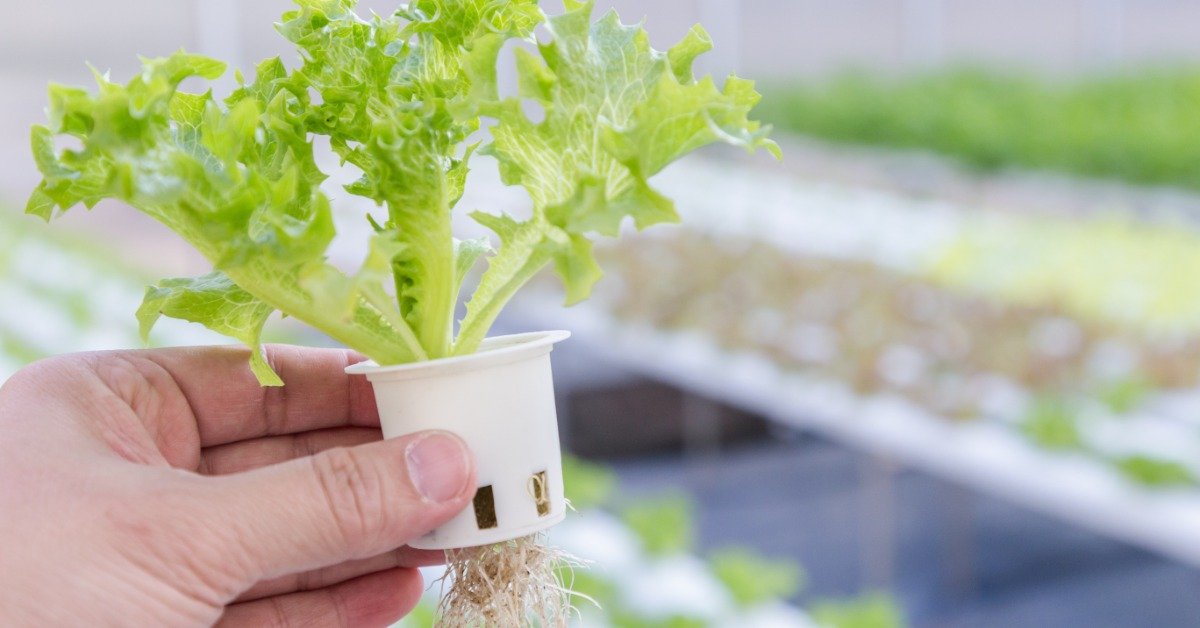
Hydroponic farming gives new growers a practical way to raise plants without relying on traditional soil. Instead, plants receive water and nutrients through a controlled growing system that can fit inside a home, greenhouse, or other suitable space. Although the process may seem technical at first, the best way to start hydroponic farming for beginners is to focus on learning the basics through a small, easy-to-manage growing system. Careful planning also makes it easier to avoid common problems that can discourage first-time growers.
Understand How Hydroponic Growing Works
Traditional plants gather water and nutrients from soil, while hydroponically grown plants receive those essentials through a prepared nutrient solution. Depending on the setup, roots may sit directly in water or grow in a separate medium that provides physical support.
This approach gives growers more control over the plant environment. However, that control also means the grower must provide what soil would normally help regulate. Water quality and nutrient concentration require attention, while root conditions need regular monitoring. Understanding this responsibility before planting makes the learning process easier.
Choose a Simple System To Begin
New growers often benefit from choosing a straightforward setup rather than building a large operation immediately. Research the different types of hydroponic systems and compare the equipment required along with each option’s ongoing maintenance needs. Some systems continuously circulate nutrient solution, while others allow roots to access a stationary reservoir.
A simple system lets you become familiar with plant responses without managing too many variables at once. It also provides an opportunity to develop a routine before investing in additional equipment. Once you understand how your first setup behaves, you can decide if a larger or more advanced system fits your goals.
Select Beginner-Friendly Crops
Some crops adapt to controlled growing environments more easily than others, so choose varieties with manageable space and care requirements. Leafy greens often appeal to beginners because they grow quickly and do not require the same structural support as large fruiting plants.
Consider the mature size of each crop before placing it in your system. Plants that begin as small seedlings can eventually compete for light or root space. Giving each plant enough room from the start helps maintain airflow and makes routine care easier as the garden develops.
Create the Right Growing Environment
Plants need an environment that supports steady development. Indoor hydroponic gardens often depend on grow lights when natural sunlight cannot provide enough consistent illumination. Position lighting so plants receive coverage without placing delicate leaves too close to the fixture.
Temperature also affects how plants grow and how well roots function. Keep the growing area within a suitable range for the crops you selected. Avoid locations with extreme temperature swings or other conditions that make the environment difficult to control.
Pay Attention To Water Quality
Water serves as the foundation of a hydroponic system, so its condition deserves attention. Before mixing nutrients, understand the characteristics of the water you plan to use. Mineral content can influence the nutrient solution and may affect how easily plants absorb what they need.
Growers should also monitor the solution as plants consume water and nutrients. Conditions can change over time, even when the reservoir initially has the correct balance. Regular checks help you make measured adjustments instead of waiting until plants show obvious signs of stress. Keeping records can also reveal patterns that improve future growing cycles.
Learn How To Manage Nutrients
Hydroponic plants rely on growers to supply appropriate nutrition directly to their roots. Use a nutrient formula intended for hydroponic cultivation and follow its mixing directions carefully. Adding more nutrients than recommended does not necessarily produce faster growth and can create an unhealthy root environment.
As plants mature, their nutritional needs may change. Pay attention to leaf color and growth patterns while assessing the overall condition of each crop. When something appears unusual, investigate the possible cause before changing the solution dramatically. Gradual, informed adjustments reduce the risk of creating a second problem while trying to correct the first.
Start With Healthy Seedlings
Strong plants begin with healthy early growth. You can start seeds in a suitable propagation medium and move seedlings into the hydroponic system after they develop enough structure to handle the transition. Keep young plants moist without overwhelming their developing roots.
Maintain a Consistent Cleaning Routine
Clean equipment helps protect roots and keeps the system functioning as intended. Remove dead plant material promptly so it does not remain around the growing area. Inspect reservoirs and other components for buildup that could interfere with water movement or create poor growing conditions.
Monitor Plants and Make Small Adjustments
Hydroponic gardening becomes easier when observation becomes part of your routine. Look at the roots and leaves while checking water conditions regularly. Healthy plants can provide useful clues about what works, while changes in appearance may signal that something needs attention.
Avoid changing several parts of the setup at the same time when troubleshooting. If you alter lighting and nutrient strength together, it becomes harder to determine which adjustment affected the plants. Make one thoughtful change when possible, then observe the response. This approach builds practical knowledge that will help you manage future crops with greater confidence.
Build Experience Before Expanding
It can be tempting to expand as soon as the first plants begin growing well. However, completing an entire growing cycle teaches lessons that early success cannot provide. You will see how plant needs change as roots become larger and crops approach harvest.
Use your first harvest as an opportunity to evaluate the system. Think about which maintenance tasks felt manageable and where problems developed. Then adjust your setup before increasing its size. Gradual expansion keeps the workload realistic and helps ensure that additional plants do not overwhelm the habits you have established.
Grow Your Hydroponic Skills With Confidence
Learning hydroponics requires attention and patience, but beginners do not need an elaborate setup. A small system provides enough experience to understand plant needs while keeping maintenance approachable. Focus on creating stable growing conditions and observing how plants respond throughout each stage. As your knowledge increases, you can refine your process and take on more ambitious growing goals. Ultimately, the best way to start hydroponic farming for beginners is to master the fundamentals with a simple system before expanding. A thoughtful start can turn an unfamiliar growing method into a rewarding skill you continue developing over time.