Pool Design Decisions To Make Before Construction Begins
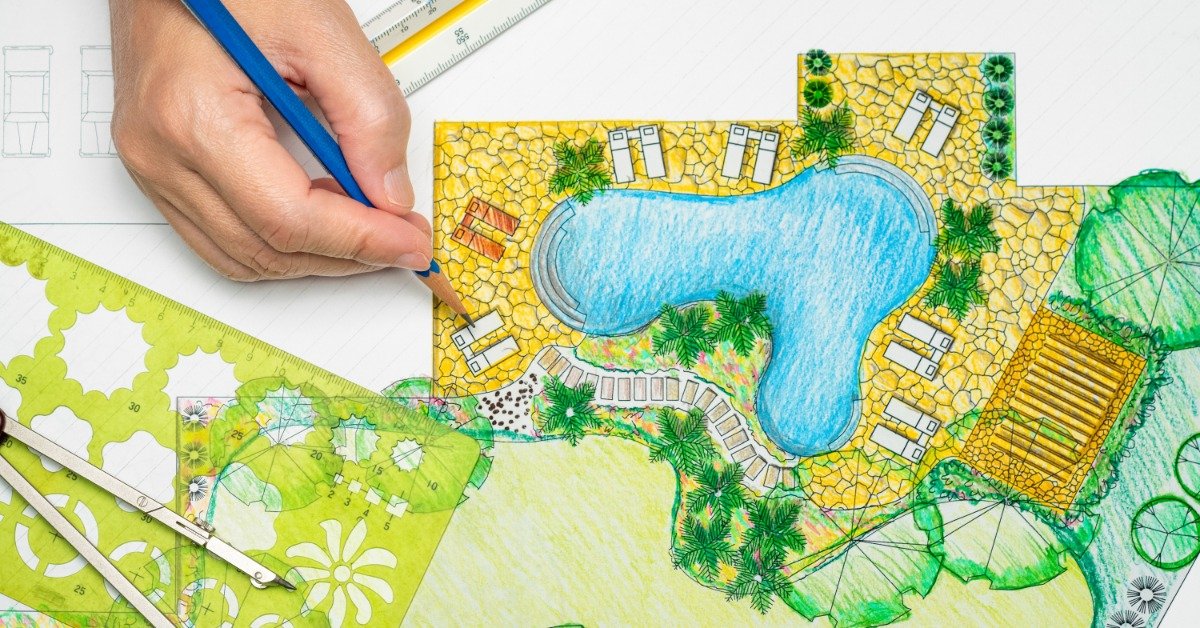
Building a swimming pool involves far more than choosing an attractive shape and deciding where it should sit in the yard. Decisions made during the planning stage affect how comfortable the pool is to use, how well it fits the property, and how much work is required to maintain it over the years.
The most important pool design decisions should therefore be settled before construction begins. Changing a drawing is relatively straightforward. Changing the dimensions, depth, plumbing, or structural features of a pool once construction is underway is considerably more complicated.
Decide How the Pool Will Be Used
A good pool design begins with its intended purpose. A household interested primarily in entertaining may have very different requirements from one that wants space for exercise.
Consider who will use the pool regularly and what they are likely to do there. Common priorities include:
- Swimming laps
- Playing water games
- Entertaining friends and family
- Relaxing and lounging
- Providing space for children
- Exercising in the water
It is also worth considering how those priorities could change. Children grow older, household routines evolve, and a pool expected to last for decades should remain practical as circumstances change.
Choose the Depth and Pool Floor Configuration
Depth is one of the most significant choices because it determines how people can use different parts of the pool. A consistent depth creates a large area where swimmers can comfortably stand and socialize. A gradual slope, meanwhile, creates distinct shallow and deeper areas.
Neither approach is automatically better; the right option depends on the size of the pool and the activities it needs to accommodate. Homeowners weighing these options can compare the practical differences between flat and sloped-bottom pools before deciding how depth should change across the swimming area.
Depth planning should also account for steps, benches, ledges, and other built-in features. These elements occupy space and can influence how much of the pool remains available for swimming.
Match the Size and Shape to the Property
A large pool is not necessarily a better pool. The goal should be to create a balanced outdoor area rather than allowing the swimming pool to overwhelm everything around it.
Measure the available space while accounting for the patio, walkways, landscaping, fences, equipment, and outdoor furniture. Local requirements may also establish setbacks or other restrictions affecting where a pool can be constructed.
Shape matters as well. Rectangular pools work well for lap swimming and structured layouts, while freeform designs complement informal landscaping. The architecture of the house can also provide useful design cues for the pool.
Plan Entry and Exit Points
Steps and ladders may seem like minor details, but their positions influence traffic circulation around and throughout the pool. Wide entry steps can double as seating or gathering areas. Tanning ledges provide shallow spaces for lounging, while strategically placed ladders offer convenient exits from deeper sections.
Think about how people will naturally move between the house, patio, pool, and other backyard features. Entry points should support those movement patterns rather than creating obstacles.
Think About Safety From the Beginning
Safety features should be integrated into the pool design instead of treated as additions after construction. Requirements differ between jurisdictions, so homeowners should check applicable rules concerning barriers, fencing, gates, alarms, electrical installations, drains, and other safety measures.
The surrounding surface deserves attention, too. Pool decks are regularly exposed to water, so material selection should consider traction as well as appearance. Adequate lighting can also improve visibility around steps, walkways, and changes in elevation after dark.
Choose Decking and Finishes Carefully
Pool finishes and surrounding materials contribute heavily to the appearance of the completed space, but aesthetics are only part of the decision. Outdoor surfaces are exposed to sunlight, moisture, chemicals, temperature changes, and regular foot traffic. This means it’s best to compare materials based on durability, maintenance requirements, comfort underfoot, and suitability for the local climate.
Color also matters. Pool interiors can affect how the water appears, while deck colors and materials can influence the overall visual relationship between the pool, landscaping, and house.
Determine Which Features Are Worth Including
Waterfalls, spas, fountains, lighting, tanning ledges, built-in seating, and other additions can make a pool more enjoyable, but every feature should have a clear purpose. Consider which additions will receive regular use rather than selecting features solely because they look impressive in photographs.
Some options can affect plumbing, electrical systems, construction costs, and long-term maintenance. Planning these features early allows them to be incorporated cohesively into the design.
Consider Equipment and Maintenance Access
Mechanical equipment may not be the most exciting part of pool planning, but its placement has practical consequences. Pumps, filters, heaters, and related components need sufficient space for operation and servicing. Equipment should be accessible without disrupting frequently used outdoor areas.
Homeowners should also discuss water circulation, filtration, sanitation, and cleaning requirements before construction. A visually appealing pool can become frustrating if routine upkeep is unnecessarily difficult.
Plan the Entire Backyard, Not Just the Pool
A pool does not exist in isolation. A patio, outdoor kitchen, fire feature, lawn, garden, shade structure, and seating area may all share the same space.
Even when some of these improvements will be completed later, planning their approximate locations beforehand can prevent conflicts. Future structures may require electrical connections, plumbing, drainage, foundations, or additional deck space. Thinking about the property as one connected environment helps produce a backyard that feels intentional rather than pieced together over time.
Review the Final Plan With Daily Life in Mind
Before approving the pool construction plan, imagine using the completed space on an ordinary day. Where will towels and pool equipment go? Is there enough seating? Can swimmers enter and exit conveniently? Will people have to cross wet areas to reach the house? Is there shade during the hottest part of the day? Can maintenance equipment reach the pool without difficulty? This final review can reveal practical issues that are easy to overlook when concentrating on pool dimensions and finishes.
Ultimately, the best pool design decisions to make before construction begins are based on how the space will actually be used. Establishing priorities for depth, layout, safety, materials, maintenance, and surrounding outdoor areas can reduce compromises later and create a pool that remains functional for years.