How To Protect Workers During Hot Road Projects
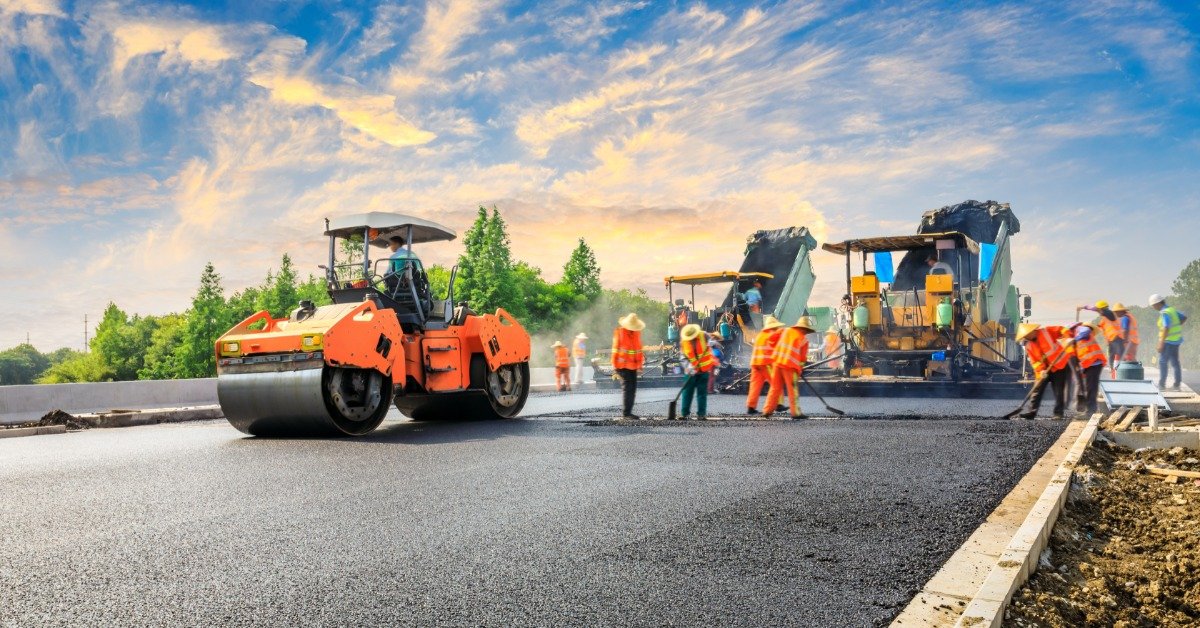
Road construction crews face demanding conditions throughout the summer. Workers spend long shifts near hot pavement, while heavy equipment adds more heat to an already difficult environment. Physical labor further raises body temperature, and required protective gear can limit airflow.
A strong heat safety plan addresses these conditions before crews arrive at the work zone. Supervisors can adjust schedules, provide reliable access to water, and watch workers for early signs of heat illness. Thoughtful preparation helps crews stay productive without treating extreme heat as an ordinary inconvenience. Keep reading to understand how to protect workers during hot road projects.
Plan Around the Forecast
Heat protection starts before the shift. Supervisors should review expected temperatures and humidity so they can plan work around the most demanding part of the day.
Crews can handle strenuous tasks earlier in the morning when conditions allow. Managers may also schedule less physically demanding work during the hotter afternoon hours. This approach reduces the time workers spend performing intense labor when heat places the greatest strain on the body.
Weather conditions can also change quickly. Supervisors should continue monitoring conditions throughout the shift rather than relying solely on the morning forecast. A sudden increase in temperature may warrant longer breaks or a change in work assignments.
Make Water Easy To Reach
Workers need convenient access to drinking water throughout a road project. Placing water far from the active work zone makes regular hydration less practical, especially when employees must cross a large site to reach it.
Supervisors can position cool drinking water close enough for workers to access during scheduled breaks and short pauses. They should also encourage regular drinking instead of waiting until someone feels extremely thirsty.
Long shifts may require additional hydration planning because workers lose electrolytes through sweat. Crews working for several hours in high heat may benefit from appropriate electrolyte beverages alongside drinking water.
Managers should also provide workers with enough opportunities to drink. A full water cooler offers little value when production expectations discourage employees from stepping away long enough to use it.
Create Cooler Break Areas
Rest gives the body time to recover from heat exposure. However, sitting next to hot asphalt under direct sunlight doesn’t provide much relief.
Road crews need access to a cooler location during breaks. A shaded canopy can create a practical recovery area near the work zone. Air-conditioned vehicles or nearby indoor spaces may offer another option when the project location allows them.
As temperatures rise, supervisors may need to increase break frequency. Heavy physical work also increases the need for recovery time. Managers should base break decisions on current conditions and workload rather than following the same schedule every day.
Choose PPE Carefully
Road workers need high-visibility clothing because passing traffic and moving equipment create constant hazards. At the same time, heavy clothing can make summer work more uncomfortable.
Breathable materials can help workers manage heat without sacrificing visibility. For example, summer road crews use mesh safety vests to stay cool while maintaining the high-visibility coverage that work zones demand. The open construction allows more air to move around the body than heavier solid fabrics.
Supervisors should review all required protective equipment with heat in mind. Hard hats and other necessary gear can increase the worker’s heat load. Crews still need the appropriate PPE for each task, so managers should seek compliant options that support ventilation when possible.
Help Workers Acclimate
New employees may face a higher risk during hot road work because their bodies haven’t adapted to the environment yet. Returning workers can face the same challenge after spending significant time away from hot conditions.
Supervisors shouldn’t expect a worker to handle a full day of intense summer labor immediately. Gradually increasing exposure gives the body time to adjust.
Managers should pay close attention during the first days of hot-weather work. New employees may feel pressure to keep pace with experienced coworkers, which can encourage them to skip breaks or ignore early symptoms. Clear expectations help workers understand that heat precautions form part of the job rather than signal weakness.
Watch the Pavement
Air temperature doesn’t tell the full story on a road project. Asphalt absorbs solar energy and can make the work zone feel significantly hotter near the ground.
Fresh paving operations introduce additional heat. Workers who operate around hot mix asphalt or paving equipment may experience greater heat exposure than crews working farther from those sources.
Project leaders should consider radiant heat when deciding where workers take breaks and how to rotate assignments. Moving an employee away from the hottest equipment for part of the shift can reduce continuous exposure without halting the entire operation.
Use Work Rotation Wisely
Some road construction tasks demand more physical effort than others. Shoveling and handling heavy materials can raise body temperature quickly, especially under direct sun.
Rotating demanding assignments can reduce the amount of time one employee spends performing strenuous work continuously. A worker may move from a high-exertion task to a less demanding position before returning later.
Supervisors should still match assignments to employee training and job qualifications. Heat management shouldn’t place someone in a role that requires skills or authorization the employee doesn’t have.
Recognize Warning Signs
Every road crew should know what heat illness can look like. Excessive sweating and dizziness can signal that a worker needs immediate attention. Confusion or loss of consciousness may indicate a medical emergency.
Training helps coworkers recognize changes that an affected worker may overlook. Heat can impair judgment, so someone experiencing serious symptoms may not recognize the severity of the situation.
Supervisors should establish a clear response process before work begins. Workers need to know whom to contact and how to request emergency assistance. They should also know where to move a coworker out of the heat while help arrives.
Keep Workers Connected
Road projects can spread employees across long work zones. That distance makes communication especially important during extreme heat.
A buddy system can give workers another layer of protection because coworkers can watch for unusual behavior or physical distress. Crew members should check on each other during demanding tasks rather than assuming everyone will report symptoms independently.
Reliable radios or other communication tools also help crews request assistance quickly. Supervisors need a way to reach employees who work away from the primary staging area.
Adjust Expectations
Extreme heat can change how quickly crews can complete physically demanding work. Managers who plan summer projects around the same pace as mild-weather work may create pressure that encourages unsafe decisions.
Allowing more time for hydration and recovery can help workers maintain steadier performance throughout the shift. Managers should communicate those expectations clearly so employees don’t feel tempted to sacrifice breaks for speed.
Supervisors can also review the day’s work after each shift. If crews struggled during the hottest hours, managers can adjust the next day’s schedule or redistribute demanding tasks.
Build Heat Safety Into Every Shift
Protecting road workers during hot weather takes more than providing water at the beginning of the day. Effective planning considers work intensity and changing weather conditions. It also gives workers practical ways to cool down throughout the shift.
Hot summer conditions will always challenge road crews. A worksite that treats heat as a predictable hazard can respond with the same level of planning that teams already apply to traffic and heavy equipment. That preparation helps workers handle demanding road projects with greater comfort and awareness from the first hour of the shift to the last.