Long-Term Maintenance Tips for Lined Ponds
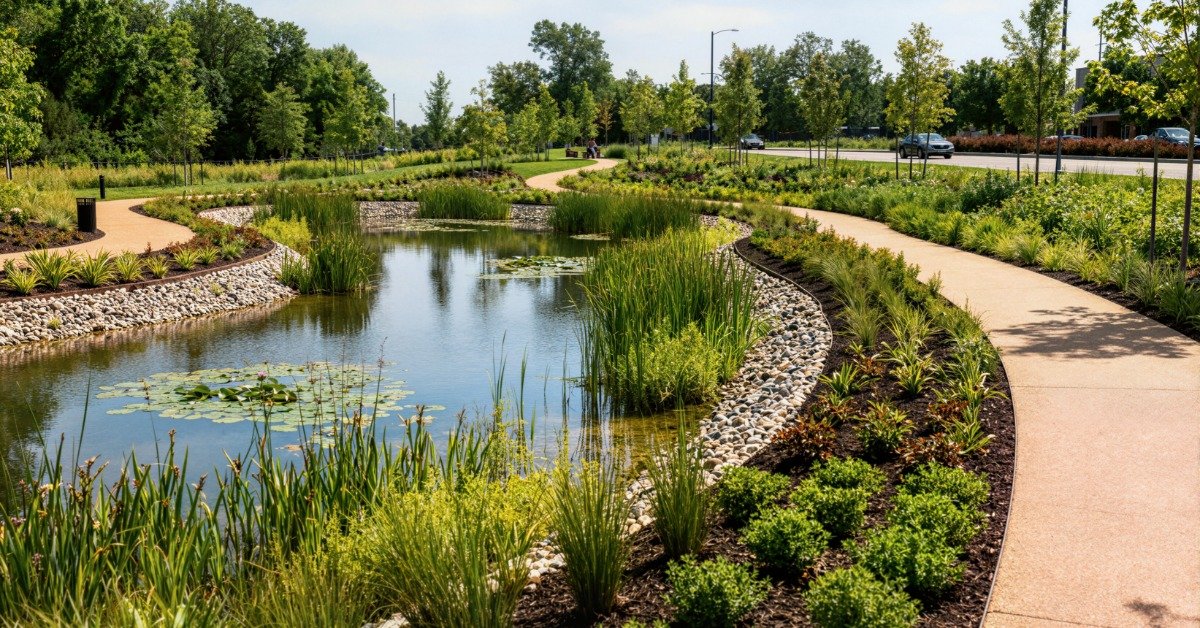
A lined pond can serve a property for years when owners provide consistent care. The liner forms the foundation of the pond, so routine maintenance should protect that surface while supporting stable water levels and healthy surrounding conditions. Small problems often start quietly. A loose edge or a sharp piece of debris can lead to larger repair needs if ignored for too long.
Long-term pond care doesn’t require constant work, but it does require following essential tips. A practical routine helps you catch wear early and reduces the chance of expensive disruptions.
Inspect the Liner Regularly
Routine visual inspections give you the best chance to spot early signs of wear. Walk the pond perimeter every few months and closely inspect any exposed liner. Pay attention to wrinkles and loose sections. Look for punctures or areas where the liner has shifted away from the bank.
Changes along the shoreline can also reveal hidden problems. If soil begins to wash away near one edge, the liner may lose support beneath. If you notice one area holding less water than before, carefully inspect nearby seams and penetrations.
After severe weather, inspect the liner as well. Heavy rain can move soil around the pond, and high winds can drop branches onto exposed surfaces. A quick inspection after a storm lets you address fresh damage before pond activity makes the problem worse.
Watch the Water Level
Every pond loses some water to evaporation, especially in hot or windy weather. Sudden or unexplained water loss warrants closer attention. Marking a typical water level can help you notice unusual changes sooner.
If the water level drops steadily without a clear weather-related cause, inspect the shoreline and accessible liner surfaces. Look for wet soil outside the pond, as escaping water may create a damp area near the leak. Check plumbing connections and drains before assuming the liner is responsible for the loss.
Tracking water levels over time provides useful context. It becomes easier to distinguish normal seasonal changes from a leak that needs repair.
Keep Sharp Debris Away
Sharp debris poses one of the clearest threats to a pond liner. Branches and scrap metal can puncture or scrape the liner’s surface. Broken tools and sharp rocks can cause similar damage. Remove debris as soon as you notice it, especially near exposed liner along the shoreline.
Maintenance equipment also deserves attention. Avoid dragging pumps or heavy tools across the liner. Place equipment carefully, and use protective padding when a task requires contact with the lined surface.
Large ponds often demand stronger materials because maintenance work and water movement can place more stress on the liner. Heavy-duty liners are perfect for large pond projects when the design calls for greater durability and dependable long-term performance. Good handling practices still help protect the material from preventable wear.
Control Plant Growth
Vegetation can enhance a pond’s appearance and help stabilize the surrounding soil, but aggressive roots can cause problems near a liner. Keep trees and woody shrubs far enough from the shoreline so that expanding roots don’t press against the lined area.
Watch for volunteer plants that appear close to exposed edges. Remove unwanted growth while the plants remain small and easy to manage. Waiting too long can allow roots to spread beneath protective layers or into weak points near the liner.
Aquatic plants also need routine control. Excessive growth can make inspections difficult and hide damage along the pond edge. Keep plant coverage manageable so you can still see important sections of the shoreline.
Protect the Pond Edges
The pond perimeter endures regular wear and tear from weather and foot traffic. Animals or moving equipment can also disturb the shoreline. Secure edges help keep the liner in place and reduce stress at the point where the material transitions out of the water.
Check anchor trenches and other perimeter features for signs of movement. Reposition loose sections before they pull on the liner. If erosion exposes areas that previously had protective cover, restore that cover without placing sharp material directly against the liner.
Limit unnecessary vehicle traffic close to the shoreline. Heavy equipment can compact soil or shift banks. Establishing a clear access route helps protect vulnerable edges while still giving workers room to perform routine maintenance.
Manage Sediment Buildup
Sediment naturally accumulates as soil and leaves enter the pond. Over time, a thick layer can reduce capacity and make pond maintenance more difficult. Excess sediment may also trap branches or other objects that press against the liner.
Reduce incoming sediment by controlling runoff around the pond. Stabilize bare soil and repair eroded banks before storms transport additional material into the water. These steps can slow buildup without requiring frequent removal.
When sediment removal is necessary, choose methods that protect the liner. Aggressive digging can cause punctures. Work carefully around the pond bottom, and use equipment suited to lined systems rather than treating the pond as an unlined basin.
Check Seams and Fittings
Seams and penetrations deserve extra attention because they create transition points in the liner system. Pipes or drains can also create vulnerable areas. Inspect these areas during each maintenance cycle for movement or gaps. Also check for cracking or unusual moisture.
Keep hardware tight when the pond design uses mechanical connections. Replace worn components before they place additional stress on the surrounding liner material. If a seam begins to separate, address the problem while the affected area is still small.
Repairs near fittings often require more precision than simple surface patches. Follow the liner manufacturer’s repair recommendations so the materials and bonding methods work together properly.
Prepare for Seasonal Changes
Seasonal conditions can affect how a liner behaves and how the pond functions. Hot weather may increase evaporation and expose more liner near the shoreline. Cold weather can bring ice and shifting banks in some climates.
Before winter, remove debris that could freeze against the liner or interfere with pond equipment. During dry periods, watch exposed areas for ultraviolet exposure and animal activity.
Spring often brings runoff and softer soil. Check banks for erosion once wet weather begins, and repair unstable sections before additional rain causes more movement.
Address Small Repairs Early
Small liner damage rarely improves on its own. A tiny puncture or loose edge can worsen as water pressure and normal pond use continue. Early repairs usually require less material and cause less disruption.
Keep basic repair supplies on hand if the liner manufacturer supports field patching. Carefully clean the damaged area before applying compatible repair materials. Follow all preparation instructions to ensure the patch bonds securely.
Call a professional when damage spreads across a large area or affects a structural seam. Difficult locations may also require professional repair. Professional help can prevent repeated repairs when the problem requires more than a simple patch.
Build Maintenance Into the Routine
A lined pond performs best when maintenance becomes part of normal property care instead of an occasional reaction to visible damage. Schedule inspections and record repairs so you can spot recurring issues. Track water levels throughout the year as well.
Good records can reveal patterns. If erosion keeps returning in the same area, drainage may need improvement. If debris often collects along one shoreline, wind or runoff may point toward a practical prevention strategy.
Long-term maintenance for a lined pond protects more than the liner itself. It supports the pond’s capacity and reliability while reducing the chance of sudden repair costs. With steady attention and careful maintenance habits, you can help a lined pond continue serving its purpose year after year.