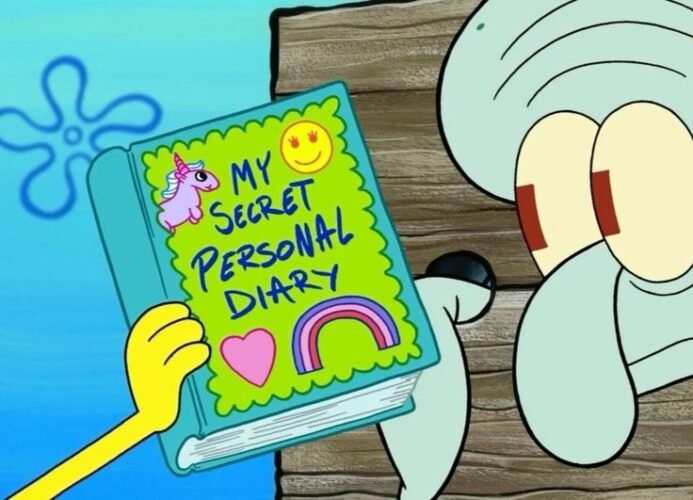
No Filters, More Screen Time: Is Your Dump Account Really Protecting Your Vibe?
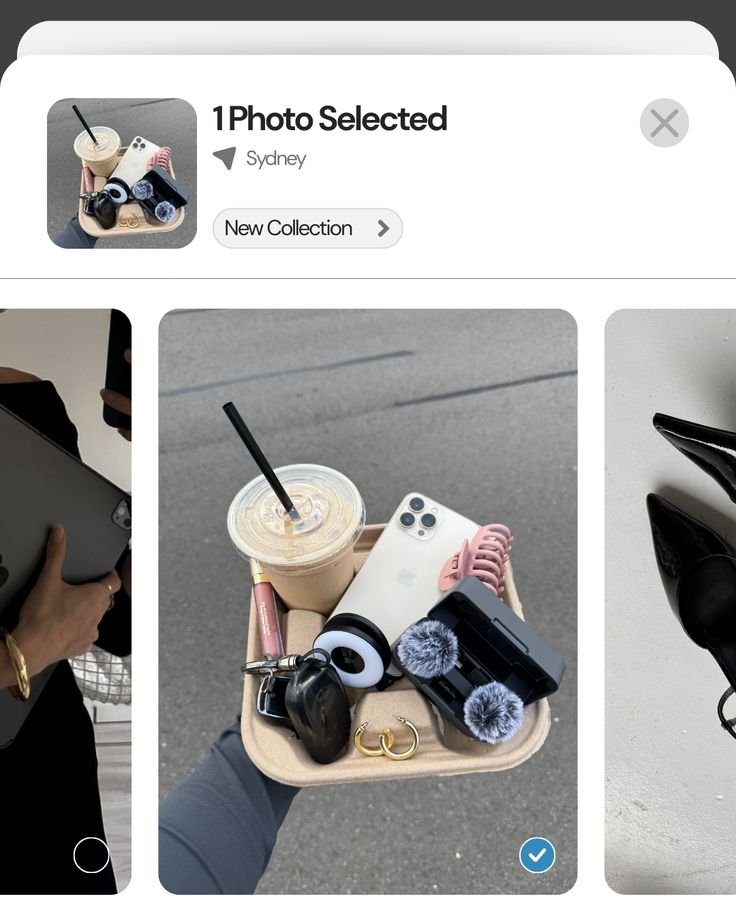
At first glance, it feels like the ideal sanctuary from digital pressure. But when it comes to dump account mental health benefits, does maintaining a hidden secondary feed actually restore your peace of mind, or does it just split your digital fatigue across two different profiles?
Why Secondary Accounts Feel Like Mental Relief
The psychological appeal of a dump account is straightforward: it strips away the unwritten rules of modern social media. Main profiles carry an implicit obligation to look polished, successful, and visually appealing. Secondary accounts eliminate the need for color coordination, flawless editing, or careful post planning.
Restricting followers to a handful of close friends eliminates the cognitive strain of being judged by extended family, distant acquaintances, or future employers. Sharing raw updates, inside jokes, or real-time thoughts can offer a sense of authentic human connection that standard main-grid posting rarely provides.
The Hidden Mental Health Drawbacks
While secondary feeds remove presentation anxiety, they can introduce subtle psychological traps if used without boundaries.
-
If a private account becomes an exclusive landing pad for rants, complaints, or negative venting, it can keep you anchored in stress. Constantly documenting frustration for an audience—even a small one—can validate and prolong negative feelings rather than helping you process them.
-
A dump account changes how you post, but it doesn’t change how much you use your phone. Managing multiple profiles often doubles your screen time, keeping your nervous system hooked on notification loops.
-
Constantly separating your “curated public self” from your “messy real self” can subconsciously reinforce the belief that your authentic, everyday life isn’t worthy of being seen publicly.
How to Keep Your Secondary Account Healthy
If you choose to use a secondary profile, setting clear psychological boundaries will prevent it from becoming another source of digital fatigue. Limit your follower list strictly to people with whom you feel entirely safe and comfortable being completely real. Balance raw updates with lighthearted moments. Use your feed to share small joys, funny observations, and real-life memories rather than turning it into a complaints forum. A dump account is still an audience-driven space. If you are experiencing deep burnout, grief, or overwhelming anxiety, traditional offline outlets—like journaling in a notebook, talking directly to a friend, or stepping outside—will provide far deeper emotional restoration.
Dump accounts can be a fun, low-pressure outlet if it simplifies your digital life. But when you need a true mental reset, the best space to unburden your mind isn’t a secondary feed—it’s logging off entirely.