Performative Self-Care Is Draining Your Battery: How Aesthetic Culture Erases You

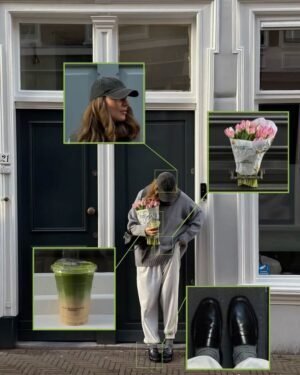
We’ve all fallen down the rabbit hole: a crisp 5:00 AM wake-up call, an immaculate glass of ice water with lemon, a color-coordinated matcha latte, and a perfectly lit journal entry set to ambient lo-fi beats. On paper, it looks like the ultimate blueprint for a balanced, grounded life. It promises peace, productivity, and that elusive feeling of “having it all together.” But when algorithms prioritize hyper-curated morning routines and sterile aesthetic spaces, taking care of your mental health—and even expressing who you are—can quietly morph into an exhausting daily performance.
This is aesthetic pressure, the subtle shift driven by social media platforms where mental health practices, self-care, personal style, and identity stop being comforting ways to recharge, and start feeling like items on an endless, algorithmic checklist.
How Social Media Algorithms Erode Your Mental Health & Personality
The most dangerous part of social media influence isn’t just that it’s exhausting; it’s that algorithms actively reward conformity over individuality, slowly chipping away at your mental well-being. Platforms are engineered to promote easily digestible content, which means complex human beings are encouraged to categorize themselves into pre-packaged archetypes—”clean girl,” “that girl,” “downtowngirl,” or “dark academia.”
Instead of discovering what genuinely brings you inner peace through trial, error, and quiet curiosity, social media trains you to adopt off-the-shelf lifestyle templates. You start adopting habits because the algorithm tells you they fit the vibe, not because they actually soothe your nervous system.
Over time, this constant social media exposure creates a subtle form of personal depersonalization, leaving you feeling emotionally detached and burnt out.

“Does this daily habit actually make me feel mentally rested, or does it just look good in an Instagram story?”
“Is this music making me feel calm, or am I saving it because it’s a trending audio on TikTok?”
“What brings me real joy when nobody is watching?”
When you flatten your personality to gain digital validation, you trade your authentic, unpredictable self for a sterile digital character and your mental health pays the price. But first, take a deep breath, step away from the pressure to perform, and check out this video to unpack how algorithms affect our minds and personal style.
The Emotional Toll of Micro-Trends on Self-Esteem and Style
This algorithmic pressure shows up vividly in how we dress and view ourselves. True personal style is meant to be a creative, joyful extension of who you are. But social media micro-trends have turned fashion into a disposable costume party, fueling ongoing anxiety and self-doubt.
Influencers and algorithmic feeds push new “core” micro-trends every few weeks, creating a constant fear of being left behind. When you buy clothes to fit a short-lived internet subculture rather than your actual taste, your wardrobe becomes a graveyard of impulse buys. You end up with a closet full of clothes and nothing to wear, accompanied by a quiet sense of inadequacy because you can’t keep up with the algorithm’s endless demands.

The High Cost of Content-Driven Living
Living “for the plot” used to mean making bold, authentic choices and embracing unpredictable moments. But when social media makes every habit, playlist, outfit, and mental health check-in a potential post, your mind stays trapped in a state of hyper-vigilance.
When algorithm-driven trends replace genuine self-discovery, your sense of self-worth becomes remarkably fragile. If the algorithm shifts tomorrow and your aesthetic goes out of style, you’re left feeling empty and anxious—because your emotional foundation wasn’t built on what you genuinely love, but on what gained external approval.
How to Protect Your Mental Health and Reclaim Your Real Self
- Strip your routines down to what genuinely restores your energy. Drinking water out of a plain plastic cup in your messy pajamas protects your mental health just as much as an elaborate, color-coordinated morning ritual.
-
Step away from trend-focused haul videos. Build a closet out of pieces that make you feel grounded, comfortable, and confident in your everyday life, completely independent of viral TikTok labels.
-
Establish a strict boundary with your phone during downtime. Keep your most restorative moments entirely offline—no photo dumps, no stories, no quick clips. When there is no audience to consider, your nervous system finally gets the signal that it is safe to relax.
-
Real mental health care is rarely picture-perfect. Sometimes it looks like setting a firm boundary, leaving the dishes for tomorrow so you can sleep, or taking a quiet nap in complete silence.sxzvbggv
-
Take an inventory of your interests outside of social media influence. Write down five things you genuinely love doing or wearing when you are completely alone. Build your mental sanctuary around those things.

Self-care was never meant to be content, your clothes were never meant to be a temporary viral costume, and your mental health journey was never meant to be an algorithmic performance.
They are quiet, deeply personal aspects of your unique human experience.