Understanding the Purpose of a Compressed Air System
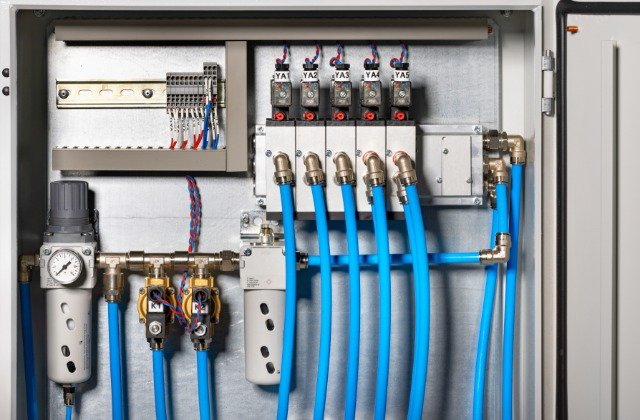
Compressed air gives industrial operations a dependable way to power tools and move materials. Unlike electricity delivered directly to a motor, compressed air stores energy by forcing air into a smaller volume and holding it under pressure. A facility can then route that energy through pipes to points of use across the workplace.
Understanding the purpose of a compressed air system helps operators see why proper design and consistent maintenance matter. When every component works together, the system supplies clean air at the pressure and flow required for production without wasting energy or disrupting sensitive processes.
How a Compressed Air System Creates Usable Energy
A compressed air system begins with atmospheric air. The compressor draws that air through an inlet filter and reduces its volume. This action raises the air pressure and creates heat. Aftercoolers remove that heat, while separators and dryers address moisture that could damage equipment or affect finished products. Receivers store compressed air and help stabilize demand before the distribution network carries it throughout the facility.
The system converts electrical or mechanical input into pneumatic energy. Operators release that energy at each point of use through valves and connected equipment. Pressure pushes the air toward a lower-pressure area, producing movement or force along the way. This simple principle allows compressed air to drive many applications with responsive control.
Because air can travel through fixed piping, one central compressor station can serve work areas that need different tools throughout a normal shift. This shared supply also lets managers monitor overall demand while local regulators tailor pressure for individual applications.
Powering Tools and Production Equipment
Manufacturers often use compressed air because pneumatic equipment can deliver repeated motion in demanding environments. Air-powered drills and grinders provide useful power without placing an electric motor directly in the operator’s hand. Production machinery may use pneumatic cylinders to position parts or operate doors. Air motors can also power devices where compact size or adjustable speed provides an advantage.
Compressed air supports automation as well. Actuators move machine components when control valves direct airflow to the chamber. Because the equipment can start and stop quickly, it suits applications that require frequent cycles. A well-designed system maintains enough flow during peak demand, so that tools respond predictably and machines complete each cycle as intended.
Controlling Industrial Processes
Air quality becomes especially important in these applications. Moisture or particles can interfere with small passages and sensitive instruments. Appropriate filtration and drying protect components while supporting accurate responses. The required treatment level depends on the process, so system designers should match air quality to equipment needs instead of applying one standard everywhere.
Moving and Handling Materials
Compressed air can move products without complicated mechanical handling systems. Pneumatic conveying uses airflow to transport powders or granules through enclosed piping. Air jets can separate items or guide products into position. Vacuum generators also use compressed air to create suction for lifting sheets and holding parts during assembly.
These uses offer flexibility, but they can consume substantial airflow when poorly controlled. Open blowing and unmanaged vacuum generation may raise total demand beyond what the task requires. Engineers should select efficient nozzles and shut off airflow whenever production stops. Careful application design protects system capacity for essential work.
Supporting Clean and Controlled Operations
The compressor room alone does not determine delivered air quality. Distribution piping can introduce moisture or debris after treatment. Facilities should consider pipe materials and drainage when designing the network. Point-of-use filters may provide additional protection for critical applications, but they work best when upstream equipment already controls contamination effectively.
Maintaining Stable Pressure and Flow
Every air-powered device needs adequate pressure at the moment it operates. However, compressor discharge pressure does not guarantee correct pressure at the tool. Narrow pipes or clogged filters create pressure loss as air moves through the system. Sudden demand can also cause pressure to fall if storage or compressor controls cannot respond effectively.
Air receivers provide a buffer between supply and demand. They reduce rapid pressure changes and can support short bursts of high airflow. Properly arranged controls then allow compressors to match broader demand patterns. Operators who monitor pressure near critical equipment gain a clearer picture of actual performance than those who watch only the compressor gauge.
Managing Energy Use and Operating Costs
Compressed air offers convenience, yet it requires careful energy management. A compressor must perform more work when the system operates at higher pressure, while leaks force it to replace air that never supports production. Artificial demand occurs when equipment receives more pressure than necessary and consequently consumes excess airflow.
Facilities that want to improve their compressed air system’s efficiency should begin by measuring pressure and airflow over normal production cycles. The resulting demand profile can reveal idle consumption and pressure instability. Teams can then repair leaks or adjust controls based on evidence. Matching compressor operation to actual demand often produces better results than adding capacity to compensate for unresolved problems.
Protecting Reliability Through Maintenance
Routine maintenance keeps compressed air available when production needs it. Inlet filters require attention because restricted airflow makes the compressor work harder. Separators and lubricant must follow the manufacturer’s service guidance where applicable. Dryers and downstream filters also need inspection to prevent moisture or contamination from reaching equipment.
Maintenance teams should track operating conditions instead of relying only on calendar intervals. Changes in discharge temperature or pressure drop may signal developing problems. A consistent record helps technicians identify trends before failures interrupt production. Leak surveys and point-of-use inspections should complement compressor room service because system reliability depends on the entire air path.
Choosing the Right Role for Compressed Air
System planning should begin with the work performed at each point of use. Designers can calculate realistic demand and account for future changes. This approach prevents oversized equipment while giving critical processes suitable support. It also makes control decisions easier because the facility understands which loads must remain available and which loads can pause during peak demand.
The Lasting Value of a Purpose-Built System
Understanding the purpose of a compressed air system means recognizing it as a complete energy network rather than a single compressor. Its job is to create pneumatic energy and deliver the required pressure and flow for each approved application.
When a facility designs distribution around real demand and maintains every stage, compressed air becomes a reliable production resource. Clear operating goals also help teams control costs and avoid using compressed air where another technology would work better. A purpose-built system ultimately supports safe, consistent work while giving operators the information they need to manage performance over time.