How an Aging Farmer Population Could Affect You
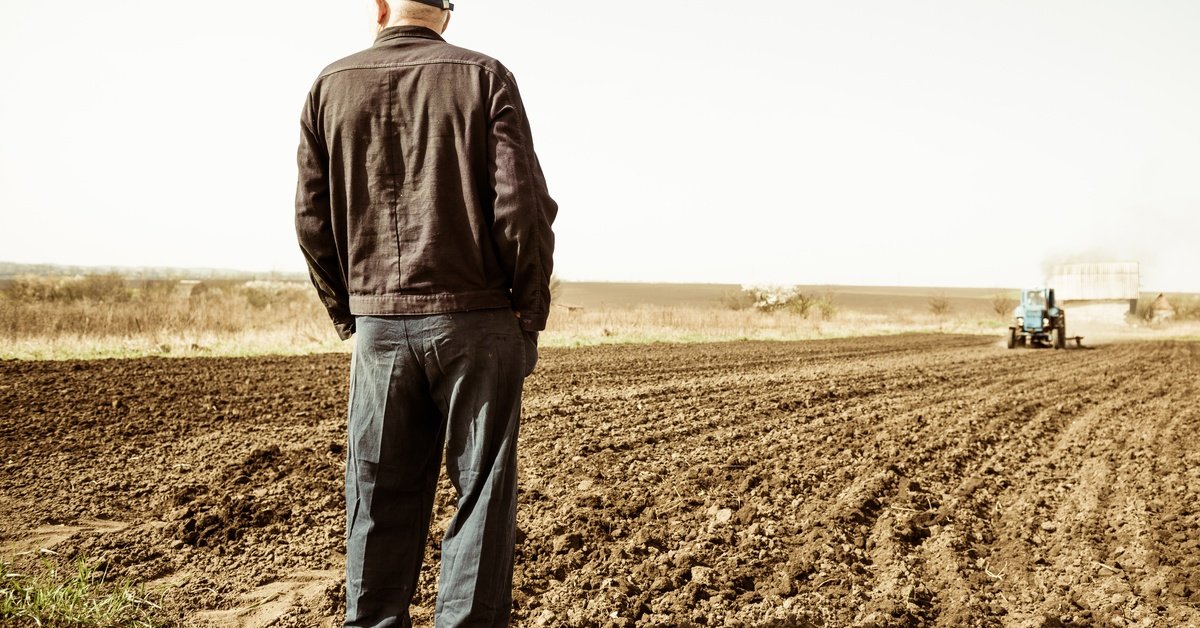
America’s farmers are getting older, and that shift is quietly reshaping everything from your grocery bill to the future of rural land. So let’s talk about how an aging farmer population could affect you, because this isn’t just a rural story. It’s everyone’s story.
The Numbers Behind the Trend
The average American farmer is now in their late 50s, and a large share of active producers are approaching retirement age with no clear successor in place. Farming has always been a profession passed down through generations, but that pipeline is thinning. Younger people are pursuing careers elsewhere, and the economic barriers to entering agriculture (such as land costs, equipment, and operating loans) are steep enough to discourage many who might otherwise step in.
What Happens When Farmers Retire?
When a farmer retires without a successor, a few things happen. First, the land goes up for sale, gets leased to a larger operation, or sits idle. We’re already seeing this pattern play out across the country. For example, Wisconsin’s land ownership trends and market outlook reflect a growing wave of older farm owners retiring and putting acreage on the market, increasing the number of available farm properties. This is a trend that mirrors what’s happening in agricultural communities nationwide.
Large agribusinesses and investment groups are often the ones with capital ready to absorb that land. That consolidation shifts production away from small, diversified farms toward large-scale monoculture operations, which carry risks like less crop diversity, greater vulnerability to disease, and thinner margins for error in a bad weather year.
Your Grocery Store Is Part of This Equation
Fewer independent farmers mean less competition in the supply chain. Less competition tends to push prices up. It can also mean less variety.
Small and mid-size farms supply a meaningful share of the fruits, vegetables, and specialty products you find at farmers markets and local grocers. As those operations shrink or disappear, your options may narrow and your costs may rise.
Supply chain disruptions over the past few years have already shown us how fragile our food system can be. A shrinking farmer base could make that system more brittle.
Is There a Path Forward?
There’s real cause for optimism if we act with intention. Beginning farmer programs, land access initiatives, and farm succession planning tools exist and are expanding. And many retiring farmers actively want to pass their land to the next generation of producers—they just need help structuring those transitions. Ag lenders, extension services, and nonprofit organizations are building bridges between outgoing and incoming farmers.
Your role is to stay curious. Support local agriculture when you can, as it signals to the market that small-scale, independent farming still has a customer base worth serving.
The Bottom Line
Agriculture is at a generational crossroads, and how an aging farmer population affects you depends on the choices made in the next decade—by policymakers, landowners, and everyday consumers like you.